VB-G RAM G Bill 2025: 5 Key Changes in India’s Rural Employment Law Replacing MGNREGA
The Union government has proposed a major reset of India’s flagship rural employment scheme, seeking to repeal the two-decade-old Mahatma Gandhi National Rural Employment Guarantee Act (MGNREGA) and replace it with a new law titled the Viksit Bharat-Guarantee for Rozgar and Ajeevika Mission (Gramin) (VB-G RAM G) Bill, 2025.

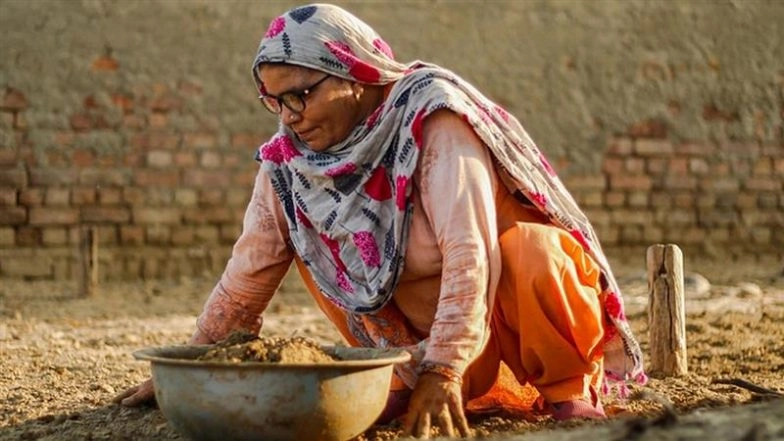
Mumbai, December 16: The Union government has proposed a major reset of India’s flagship rural employment scheme, seeking to repeal the two-decade-old Mahatma Gandhi National Rural Employment Guarantee Act (MGNREGA) and replace it with a new law titled the Viksit Bharat-Guarantee for Rozgar and Ajeevika Mission (Gramin) (VB-G RAM G) Bill, 2025.
The bill seeks to replace the MGNREGA with a revamped framework aimed at aligning rural employment and development with the national vision of Viksit Bharat 2047. It has been listed in the supplementary list of businesses issued on Monday. Scroll down to check out the key details of the VB–G RAM G Bill, 2025. MGNREGA to Be Reframed as Vikisit Bharat G RAM G Bill, Gurantees 125 Days of Work.
Key Details of VB–G RAM G Bill
Job Guarantee Increased to 125 Days
Under the proposed Bill, the guaranteed employment entitlement for rural households will rise from 100 days to 125 days in a financial year. The government says the higher limit will provide better income support while retaining the right to compensation if work is not provided on time.
Pause in Work During Peak Agricultural Seasons
For the first time, the legislation allows a pause in employment guarantee works during peak farming periods. States will notify up to 60 days in a year, covering sowing and harvesting seasons, during which no work will be undertaken. The Centre says this is aimed at ensuring adequate labour availability for agriculture and avoiding wage inflation. MGNREGA Renaming: Shashi Tharoor Says Controversy Over Renaming MGNREGA in Modi Government's Proposed New G-RAM-G Bill Is Unfortunate.
New Centre-State Funding Formula
The Bill proposes a shift in the funding pattern. Most states will share costs with the Centre in a 60:40 ratio, while northeastern and Himalayan states will follow a 90:10 formula. Union Territories without legislatures will continue to receive full Central funding, unlike MGNREGA, where the Centre bears the full cost of unskilled wages.
End of Demand-Based Funding
The open-ended, demand-driven funding model under MGNREGA will be replaced by annual state-wise “normative allocations” fixed by the Centre. Any spending beyond these allocations will have to be met by state governments, marking a significant change in how rural employment demand is addressed.
Sharper Focus on Durable Rural Assets
The scope of works under the new law will be narrowed to priority areas such as water security, core rural infrastructure, livelihood-linked assets and climate-resilience projects. All works will originate from village development plans and be mapped to a national rural infrastructure platform aligned with long-term planning.
Why the Government Says a Reset Is Needed
The Centre has cited declining poverty levels, improved access to banking and non-farm jobs, and persistent governance issues under MGNREGA, such as misuse of funds and incomplete works, as reasons for the overhaul. Once notified, the new Bill will repeal MGNREGA, marking the most significant reset of India’s rural job guarantee framework in two decades.
Once notified, the new law will formally repeal MGNREGA along with all rules and guidelines under it. The proposed overhaul is likely to spark intense debate in Parliament, particularly over funding, reduced flexibility for states, and the shift away from a fully demand-driven guarantee.
(The above story first appeared on LatestLY on Dec 16, 2025 08:19 AM IST. For more news and updates on politics, world, sports, entertainment and lifestyle, log on to our website latestly.com).