Germany, Others Partially Release Oil Reserves Amid Iran War
Germany, Austria, Japan and France have all indicated plans to release some of their oil reserves, a day after the International Energy Agency was debating the pros and cons.

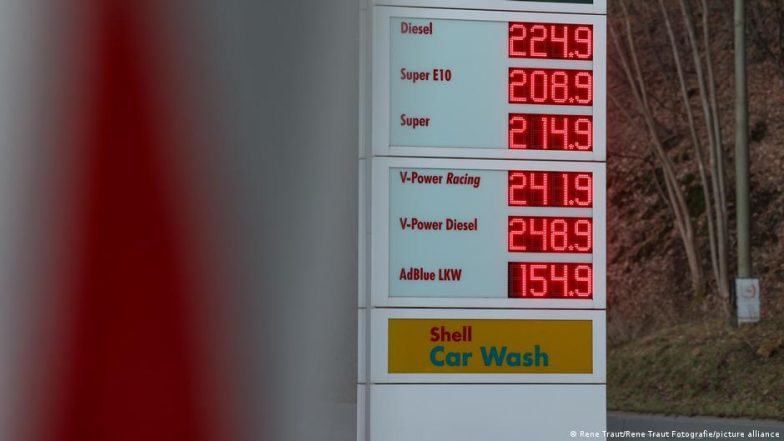
Germany, Austria, Japan and France have all indicated plans to release some of their oil reserves, a day after the International Energy Agency was debating the pros and cons. The Iran war has driven prices up.Coordinated efforts to keep oil prices and fuel prices at filling stations in check began to emerge on Wednesday in Germany and elsewhere.
Also Read | Nandkishore Kagliwal Conferred With Honorary Doctorate in Science for Agricultural Innovation.
The moves come amid the fast-rising prices caused by the attacks on Iran and wider conflict in the region.
Germany, Austria, Japan, France all signal movement
German Economy Minister Katherina Reiche called a lunchtime press conference in Berlin, a day after Finance Minister Lars Klingbeil had said the government was open to releasing some of its reserves.
At around the same time, Austria's government said it would limit increases in diesel and gasoline prices at fuel stations to once per day and that it would take part in international plans to release some of the oil reserves.
Japan's government issued a similar statement, while French Economy Minister Roland Lescure said that the flurry of announcements "are without any doubt part of an extremely coordinated approach."
After talks between G7 ministers on Tuesday, experts at the International Energy Agency (IEA) were charged with debating the pros and cons of releasing some oil reserves and presenting their findings to EU and Western governments.
How much oil is being released, where do prices currently stand?
Reuters news agency reported, citing IEA sources, that the plan was to initially release 100 million barrels, as part of a broader move to release 400 million barrels over time.
Oil prices have risen fairly sharply since the attacks on Iran and the subsequent fighting in the Gulf region, with oil deliveries through the Strait of Hormuz severely impacted.
However, prices are fairly far adrift of the highs of more than $100 per barrel they had reached early on Monday. As of Wednesday morning, a barrel of Brent Crude was selling for roughly $90 (roughly €77.50), compared to roughly $68 the same time last month. Fuel prices have risen at filling stations in most of the world as a result.
More to follow...
(The above story first appeared on LatestLY on Mar 11, 2026 05:20 PM IST. For more news and updates on politics, world, sports, entertainment and lifestyle, log on to our website latestly.com).