Are You Seeing ‘X’ Ads With ‘Hrithik Roshan’ or ‘Shreya Ghoshal’ Photo? Scam Campaigns Use AI-Generated Images and Fake Headlines To Trick Users Into Scam Ads
Misleading scam ads on X are allegedly using AI-generated images of celebrities like Hrithik Roshan and Shreya Ghoshal with fake headlines to trick users. These ads reportedly redirect to phishing sites that may steal personal data. Users are urged to stay cautious, verify ads, and avoid clicking suspicious links.

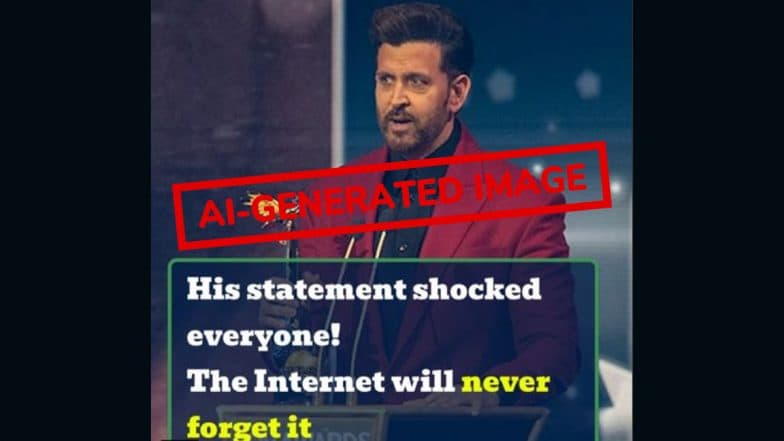
New Delhi, June 9: Celebrity images are once again at the centre of online fraud, as several users on X (formerly Twitter) have reported misleading X ads featuring Bollywood actor Hrithik Roshan. These ads appear to be part of a network of scam ads that reportedly use AI-generated images and false headlines to catch users’ attention. A similar pattern was earlier seen in the case of Bollywood singer Shreya Ghoshal, whose name and image were also misused in fake promotions that allegedly led to suspicious links.
These alleged fraud X ads are crafted to look like genuine endorsements and make them difficult to spot. Once clicked, they reportedly redirect users to phishing websites that may attempt to steal personal information or push malware. The use of AI to create convincing fake content has made these scam ads dangerous. As celebrities like Shreya Ghoshal and Hrithik Roshan continue to be exploited, users are advised to remain cautious and avoid clicking on unfamiliar ads. Are You Getting ‘X’ Ads With ‘Shreya Ghoshal’ Photo? Scammers Using AI-Generated Images, Fake News To Lure People Into Clicking Phishing Links on Twitter, Know How Scam Ads Work.
Scam Ads on X
Hmmm...
— love (@VIOLOVELE) June 9, 2025
Scam Ads
Hmmm...
— tuba çelik (@tubacelikunver) June 9, 2025
Bollywood Singer Shreya Ghoshal Alerts Fans About Fake X Ads Using AI Images and Spam Links
I am back!! I will be talking and writing here often..
Yes my X account has been in trouble as it got hacked in February. Now I have finally had the help from the @X team after lot of struggles in establishing a proper communication. All is well!! Now I am here.
Also, there are… pic.twitter.com/jdgTUjWAui
— Shreya Ghoshal (@shreyaghoshal) April 6, 2025
Bollywood singer Shreya Ghoshal, in a post on X on April 6, 2025, revealed that her account was hacked in February. She shared, “Now I have finally had the help from the X team after a lot of struggles in establishing a proper communication. All is well!! Now I am here.” Ghoshal also warned fans about scam ads misusing her name and photo, calling them “click baits, which lead to spam/fraudulent links.” She urged users to report such misleading X ads.
Beware of Fake X Ads: How AI-Powered Scams Are Using Celebrity Images and Clickbait Headlines
A number of alleged fraud advertisements on Elon Musk-run X are causing concern among users. These scam ads cleverly use AI-generated photos, fake news-style headlines, and familiar celebrity faces to gain credibility and lure people into alleged dangerous traps. Posing as legitimate promotions or articles, these X ads often appear authentic. Once someone clicks on these misleading ads, they are reportedly redirected to external phishing websites, which may steal personal information. What is a Work-From-Home Scam? Know How to Spot and Avoid This Remote Job Fraud?
The use of advanced AI tools allows scammers to create realistic images, increasing the chances of users to fall for the bait. As these fraud schemes continue to rise on social platforms, it is advised to double-check the authenticity of any ad before interacting with it. Always verify the source and avoid clicking on anything suspicious or something that seems too shocking to be true.
(The above story first appeared on LatestLY on Jun 09, 2025 04:58 PM IST. For more news and updates on politics, world, sports, entertainment and lifestyle, log on to our website latestly.com).