US Torpedo Sinks Iranian Ship IRIS Dena off Sri Lanka, What Is a Torpedo?
The US Navy sank the Iranian ship IRIS Dena off the Sri Lanka coast using a heavyweight torpedo. This marks the first US torpedo hit since WWII. As Operation Epic Fury expands to the Indian Ocean, the destruction of the Mowj-class frigate signals a major escalation in maritime warfare and a shift in US naval tactics.

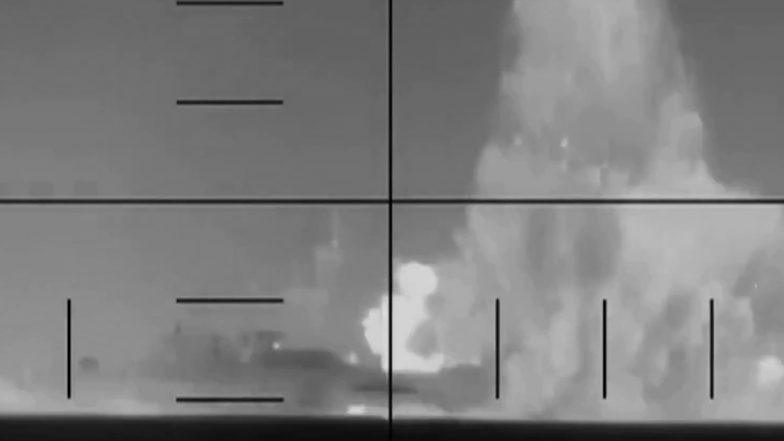
New York, March 4: In a significant escalation of maritime hostilities, a United States Navy submarine sank the Iranian frigate IRIS Dena off the coast of Sri Lanka. This engagement marks the first time a US submarine has successfully destroyed an enemy vessel with a torpedo since World War II. Video footage released by the Pentagon shows the Iranian ship being lifted out of the water by a massive underwater explosion before breaking apart and sinking. The strike occurred in international waters amidst the rapidly expanding conflict between Western forces and Iranian naval assets.
The sinking follows a series of reported Iranian drone and missile threats toward commercial shipping lanes in the Indian Ocean. According to U.S. Central Command (CENTCOM), the IRIS Dena was identified as a "high-threat platform" that was actively tracking allied merchant vessels. The decision to use a submarine-launched heavyweight torpedo, rather than an aerial strike, underscores the tactical shift by the US Navy to neutralise Iranian surface combatants that have strayed far from the Persian Gulf to harass global trade routes. Middle East Conflict: Iran Reaches Out to US to Discuss Ending War, Says New York Times; Donald Trump’s Response Uncertain.
US Torpedo Sinks Iranian Ship IRIS Dena off Sri Lanka
This Iranian warship thought it was safe in international waters. It wasn't.
The @DeptofWar is fighting to win. 🇺🇸 pic.twitter.com/4bGMubuSQu
— The White House (@WhiteHouse) March 4, 2026
What Is a Torpedo and How Was It Used?
A torpedo is a self-propelled underwater missile designed to be launched from a submarine, surface ship, or aircraft to destroy targets at or below the water's surface. Unlike cruise missiles that strike from above, a modern heavyweight torpedo, such as the Mark 48 used in this operation, travels through the water and detonates beneath the hull of a ship. This creates a massive gas bubble that lifts the vessel out of the water, snapping its keel and causing the ship to sink almost instantly due to structural failure and rapid flooding.
The Destruction of IRIS Dena
The IRIS Dena, a Mowj-class frigate and one of the more modern ships in the Iranian Navy, was reportedly struck by a single torpedo. The impact was so severe that eyewitness reports and satellite imagery confirmed the vessel disappeared from radar within minutes. While the Iranian Ministry of Foreign Affairs has condemned the strike as an "act of unprovoked piracy," US officials maintain the vessel was operating with hostile intent in a critical maritime corridor. Israel-US Intensify Bombardment of Iran as Tehran Vows to Destroy Middle East Military, Economic Infrastructure; War Shows No Sign of Ending.
The use of the Mark 48 torpedo is a rare occurrence in modern warfare. Most naval engagements in recent decades have relied on harpoon missiles or carrier-based aircraft. By utilizing a "silent" submarine strike, the US Navy demonstrated its ability to strike anywhere in the Indian Ocean without the need for a large surface fleet presence, further complicating Iran’s naval strategy.
The location of the sinking, approximately 200 nautical miles off the Sri Lankan coast, has raised immediate concerns regarding maritime safety and environmental hazards. Sri Lankan authorities have issued a notice to mariners to avoid the area due to potential floating debris and oil leakage from the sunken frigate. Local coast guard units are currently monitoring the site for any ecological impact on the region’s sensitive marine life.
The engagement has also triggered a diplomatic ripples across South Asia. While India has called for "restraint and the protection of international shipping lanes," the sinking of a major Iranian asset so close to the subcontinent has heightened fears that the Middle East war is no longer contained within the Gulf region.
This operation is being hailed by military historians as a landmark event. The last time a US submarine fired a torpedo in anger and sank an enemy ship was during the final months of World War II in the Pacific. For over 80 years, the US submarine fleet has focused primarily on intelligence gathering and nuclear deterrence. Today's strike confirms that the "Silent Service" has returned to active offensive operations as part of the broader global response to the Iranian crisis.
(The above story first appeared on LatestLY on Mar 04, 2026 09:04 PM IST. For more news and updates on politics, world, sports, entertainment and lifestyle, log on to our website latestly.com).