Pakistan Hikes Petrol and Diesel Prices by PKR 55 Per Litre in Steepest Increase Ever Amid West Asia Conflict
According to Modern Diplomacy report, concern behind the global price pressure is the escalating tension involving the United States, Iran and Israel, which has raised fears of instability in the Strait of Hormuz. Nearly one-fifth of the world’s oil supply passes through this narrow maritime route, making it extremely vulnerable to geopolitical disruptions, it said.

- Read in
- हिंदी
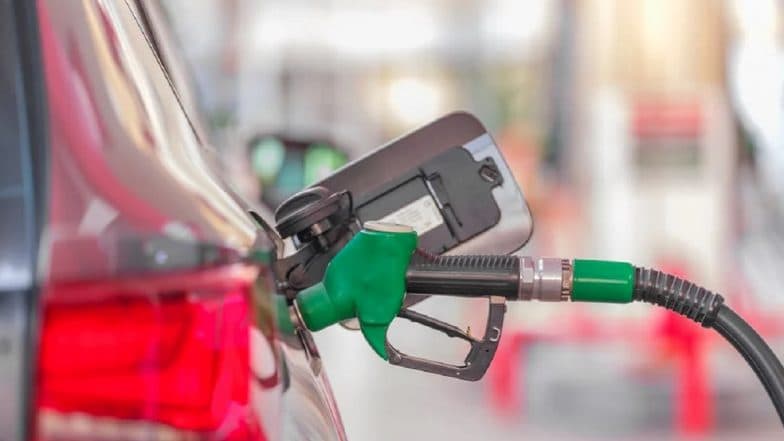
New Delhi, March 10: The sudden surge in petrol prices in Pakistan in March 2026 -- by around Rs 55 per litre --- has triggered long queues at fuel stations, rising transport fares and growing public frustration across the country, a report showed. While the government has attributed the increase to global oil volatility and tensions in the Middle East, the latest crisis exposes deeper structural weaknesses in Pakistan’s energy system.
According to Modern Diplomacy report, concern behind the global price pressure is the escalating tension involving the United States, Iran and Israel, which has raised fears of instability in the Strait of Hormuz. Nearly one-fifth of the world’s oil supply passes through this narrow maritime route, making it extremely vulnerable to geopolitical disruptions, it said. Petrol, Diesel Prices Unlikely To Rise Soon Despite Supply Disruptions As Middle East Tensions Escalate.
The report also highlighted that even minor fluctuations in global prices quickly translate into domestic fuel hikes. According to economic surveys by the Ministry of Finance Pakistan, petroleum imports account for a substantial share of the country’s annual import bill, the report said. “However, external forces alone cannot give Pakistan the same kind of impact of fuel crisis severity again and again.
The more fundamental issue is that the country has not been able to modernize its energy industry and diversify it in terms of fuel source,” according to the report. Studies by the Institute for Energy Economics and Financial Analysis note that Pakistan remains heavily reliant on foreign energy sources despite its considerable renewable energy potential, the report said. The latest petrol hike is also expected to worsen inflation.
The report also pointed out that rising fuel costs increase transport expenses, which in turn push up the prices of food and other essential commodities, disproportionately affecting lower-income households. Despite the recurring crises, policy responses have often focused on short-term relief measures such as subsidies or temporary price freezes rather than structural reforms. Petrol Price Reaching INR 500 per Litre Is Fake News.
Major regional energy initiatives, including the proposed Iran–Pakistan Gas Pipeline, have also remained stalled due to geopolitical and policy challenges. The report also mentioned that energy analysts argue that Pakistan must adopt a broader strategy to strengthen energy security. Expanding strategic petroleum reserves, modernising domestic refineries and investing in renewable sources such as solar and wind could help reduce dependence on imported oil.
(The above story first appeared on LatestLY on Mar 10, 2026 07:44 PM IST. For more news and updates on politics, world, sports, entertainment and lifestyle, log on to our website latestly.com).