












 Quickly
 Socially
 Trending
 Crypto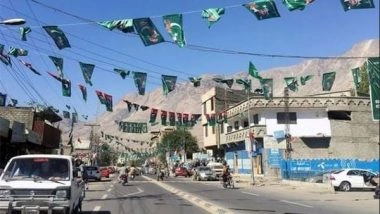
Gilgit [PoGB], April 18 (ANI): Muhammad Ayub Shah, Chairman of the Standing Committee of the Pakistan-occupied Gilgit-Baltistan Council, has formally called on authorities to take prompt and effective steps to resolve the ongoing mobile network issues in Ghizer district, as reported by Pamir Times.
In an official letter dated April 15, Shah expressed serious concern over the frequent and extended mobile service disruptions that have plagued the region for months. He stressed that the unstable connectivity is significantly affecting residents' daily lives and hampering essential services, Pamir Times reported.
Also Read | US May Abandon Peace Efforts if Its Impossible To End War Between Russia and Ukraine, Warns Marco Rubio.
"The persistent mobile network outages have disrupted daily activities and adversely impacted key sectors such as banking, education, public administration, and freelance work," Shah noted in his letter. He emphasised that consistent and reliable communication is crucial not only for convenience but also for the socio-economic growth of the district, as reported by Pamir Times.
Urging the Special Communication Organization (SCO) to prioritise the issue, Shah appealed for urgent upgrades and restoration of services, stating that reliable connectivity is a fundamental right and a critical enabler of development in remote regions like Ghizer.
Residents and civil society members have long voiced concerns over the inadequate communication infrastructure in the district. They continue to call on the government to ensure equitable access to digital services across all areas of Pakistan-occupied Gilgit-Baltistan, Pamir Times reported.
The residents of Pakistan-occupied Gilgit-Baltistan (PoGB) continue to endure harsh living conditions marked by economic hardship, political marginalization, and inadequate public services. Despite being rich in natural resources, the region suffers from poor infrastructure, unreliable electricity, limited healthcare, and a lack of educational opportunities.
Frequent protests reflect growing frustration over the absence of constitutional rights, fair representation, and equitable development. Locals demand justice, transparency, and meaningful reforms to uplift their living standards. The neglect by authorities has left communities feeling isolated and unheard, with many urging for immediate action to ensure a more just, prosperous, and dignified future. (ANI)
(The above story is verified and authored by ANI staff, ANI is South Asia's leading multimedia news agency with over 100 bureaus in India, South Asia and across the globe. ANI brings the latest news on Politics and Current Affairs in India & around the World, Sports, Health, Fitness, Entertainment, & News. The views appearing in the above post do not reflect the opinions of LatestLY)
 Share Now
 Google Trends



 Live Bot