Maha Shivratri 2026 Correct Date, Muhurat, and Timings for Nishita Kaal Puja
Discover the exact date and auspicious timings for Maha Shivratri 2026. Get the complete schedule for the four Prahars, Nishita Kaal Puja, and Vrat Parana (fast-breaking) timings. Learn about the spiritual significance, myths, and rituals of the 'Great Night of Shiva' to ensure a blessed observance.

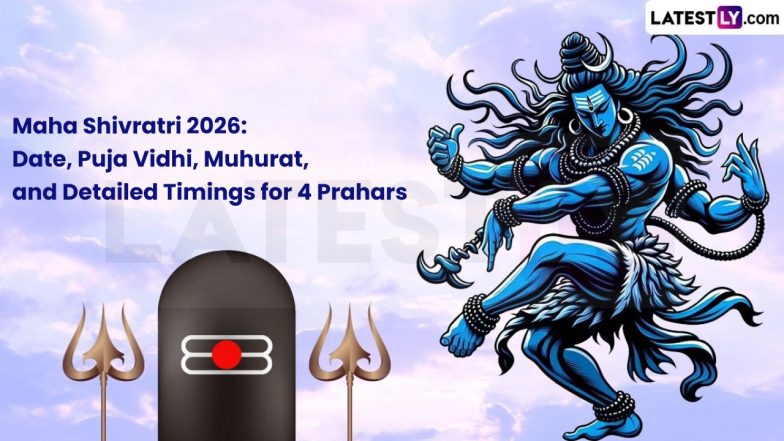
Maha Shivratri is one of the most significant festivals in the Hindu calendar, symbolising the triumph of awareness over ignorance. In 2026, the festival holds particular importance as it falls on a weekend, allowing devotees to fully immerse themselves in the night-long spiritual vigil.
The Correct Date of Maha Shivratri This Year: February 15, 2026
While the Chaturdashi Tithi (the 14th lunar day) spans across two days, Maha Shivratri is traditionally observed on the day the Tithi prevails during the night (Nishita Kaal). Therefore, the festival and the main fast will be observed on Sunday, February 15, 2026.
Auspicious Muhurat & Puja Timings for Maha Shivratri 2026
For those performing the Vrat (fast) and the Nishita Kaal (midnight) Puja, here are the precise timings according to the Vedic Panchang (IST):
| Event | Date | Time |
| Chaturdashi Tithi Begins | Sunday, Feb 15 | 05:04 PM |
| Chaturdashi Tithi Ends | Monday, Feb 16 | 05:34 PM |
| Nishita Kaal (Main Puja) | Monday, Feb 16 | 12:09 AM to 01:01 AM |
| Shivaratri Parana (Fast Break) | Monday, Feb 16 | 06:59 AM to 03:24 PM |
The Four Prahars (Night Vigil) of Maha Shivratri 2026
Many devotees divide the night into four quarters, performing Abhishek (ritual bathing of the Shiva Linga) during each:
- 1st Prahar: 06:11 PM to 09:23 PM (Feb 15)
- 2nd Prahar: 09:23 PM to 12:35 AM (Feb 15–16)
- 3rd Prahar: 12:35 AM to 03:47 AM (Feb 16)
- 4th Prahar: 03:47 AM to 06:59 AM (Feb 16)
Spiritual Significance & Legends of Maha Shivratri
Maha Shivratri isn't just a day of rituals; it is rooted in profound cosmic events:
- The Divine Union: It marks the marriage of Lord Shiva and Goddess Parvati, representing the balance of masculine (Consciousness) and feminine (Energy).
- The Neelkanth Legend: It commemorates the night Shiva consumed the Halahala poison during the Churning of the Ocean (Samudra Manthan) to save the universe.
- The Tandava: It is believed that on this night, Shiva performs the Ananda Tandava, the cosmic dance of creation, preservation, and destruction.
Fact-Checking Common Myths around Maha Shivratri
Myth: Shivratri is only for the ascetic or the elderly.
Fact: Scriptural texts like the Shiva Purana emphasise that Shiva is Bholenath (The Simple One). Sincere devotion from anyone, regardless of age or status, is believed to be rewarded.
Myth: You must stay awake the whole night to "test" your devotion.
Fact: The Jagran (night vigil) is actually designed to align the human spine with the natural upsurge of planetary energy that occurs on this specific night, aiding meditation and self-discovery.
Maha Shivratri Vrat (Fasting) Rules for 2026
- Sattvic Diet: If not keeping a full Nirjala (waterless) fast, devotees consume fruits, milk, and Vrat flours like Sabudana (sago) or Kuttu (buckwheat).
- Avoid: Grains, pulses, onion, garlic, and common salt (Rock salt or Sendha Namak is used instead).
- Hydration: For those in urban centres or working environments, staying hydrated with coconut water or herbal tea is highly recommended.
Ultimately, Maha Shivratri 2026 is more than a religious observance; it is a profound opportunity for introspection and spiritual rejuvenation. Whether you are visiting a temple for the traditional Rudra Abhishek, observing a strict fast, or simply spending the night in quiet meditation, the festival serves as a powerful reminder of the light that exists within the darkness. By aligning ourselves with these ancient timings and cosmic energies, we honour the timeless legacy of Lord Shiva, the destroyer of ego and the beacon of ultimate consciousness. May this "Great Night" bring peace, clarity, and prosperity to all.
(The above story first appeared on LatestLY on Feb 13, 2026 05:55 PM IST. For more news and updates on politics, world, sports, entertainment and lifestyle, log on to our website latestly.com).