When is Maha Shivaratri 2025? Know Date, Auspicious Timings, Shubh Muhurat, Puja Vidhi and the Significance of the day dedicated to Lord Shiva
The festival commemorates the wedding of Lord Shiva and Goddess Parvati and also the occasion when Lord Shiva performs his divine dance, called the Tandava. The mention of Maha Shivaratri is found in several Puranas, particularly the Skanda Purana, Linga Purana, and Padma Purana

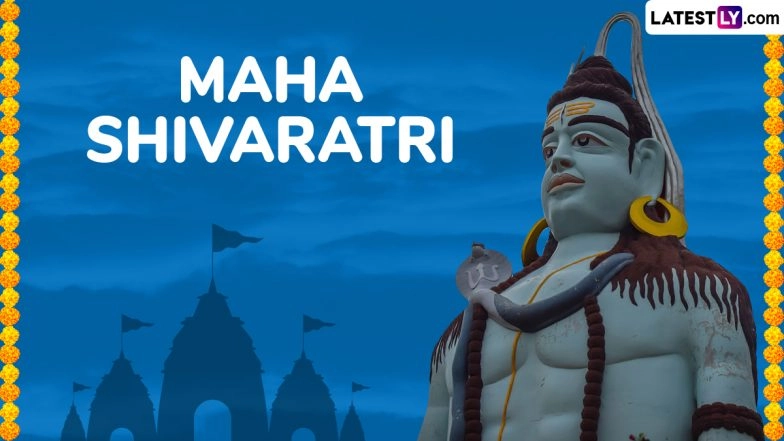
Maha Shivaratri is an auspicious Hindu occasion that is celebrated annually in honour of Lord Shiva. The festival of Maha Shivaratri falls between February and March each year. According to the Hindu calendar, the Maha Shivaratri is observed on the fourteenth day of the first half of the lunar month of Phalguna. This year, Maha Shivaratri 2025 falls on Wednesday, February 26, 2025. Mahashivratri 2025 Date: The Meaning, Power and Significance of Chanting ‘Om Namah Shivaya’ To Celebrate the Great Night of Shiva.
The festival commemorates the wedding of Lord Shiva and Goddess Parvati and also the occasion when Lord Shiva performs his divine dance, called the Tandava. According to drikpanchang, the Parana time (fast breaking time) is on February 27 from 07:15 am to 11:24 am. The Nishita Kaal Puja Time will be from 00:54 am to 01:41 am on February 27 for a duration of 48 minutes. Maha Shivaratri 2025: What Are the 12 Jyotirlingas in India? Know Their Location, Story and Spiritual Significance of Each Jyotirlinga Temples Devoted to Lord Shiva
Maha Shivaratri 2025 Date
This year, Maha Shivaratri 2025 falls on Wednesday, February 26, 2025.
Maha Shivaratri 2025 Timings
The Chaturdashi Tithi will begin at 13:38 pm on February 26 and end at 11:24 am on February 27, 2025.
- Ratri First Prahar Puja Time - 19:20 to 22:19
- Ratri Second Prahar Puja Time - 22:19 to 01:17, February 27
- Ratri Third Prahar Puja Time - 01:17 to 04:16, February 27
- Ratri Fourth Prahar Puja Time - 04:16 to 07:15, February 27
Maha Shivaratri Puja Vidhi
- One day before Shivaratri Vratam, most likely on Trayodashi, devotees should eat only one time.
- On Shivaratri day, after finishing morning rituals devotees should take Sankalp to observe full day fast on Shivaratri and to consume food the next day.
- During Sankalp, devotees pledge for self-determination throughout the fasting period and seek the blessing of Lord Shiva to observe the fast with full devotion.
- On the day of Maha Shivaratri, devotees should take a second bath in the evening before doing Shiva Puja or visiting any Shiva temple.
- The puja of Lord Shiva should be done during the night and devotees should break the fast next day.
- Devotees should break the fast between sunrise and before the end of Chaturdashi Tithi to get the maximum benefit of the Vrat.
Maha Shivaratri Significance
Maha Shivaratri is an important and most awaited time of the year by devotees of Lord Shiva, particularly important in the Shaivism tradition of Hinduism. This festival holds great religious and spiritual significance and is celebrated with great fanfare and devotion across the country by Lord Shiva devotees. Unlike most Hindu festivals that are celebrated during the day, Maha Shivaratri is celebrated at night. Lord Shiva devotees eagerly wait for this festival across India.
The mention of Maha Shivaratri is found in several Puranas, particularly the Skanda Purana, Linga Purana, and Padma Purana. These medieval-era Shaiva texts present different versions associated with this festival, such as fasting, and offering reverence to a lingam - an emblematic figure of Shiva. It is believed that by waking up the entire night on that auspicious festival, one can be blessed by the divine cosmic energies.
(Disclaimer: The information provided here is based on beliefs and legends only. Before applying any information in real life, consult the concerned expert.)
(The above story first appeared on LatestLY on Feb 25, 2025 05:00 PM IST. For more news and updates on politics, world, sports, entertainment and lifestyle, log on to our website latestly.com).