What Is Subclade K? Know All About The New H3N2 Mutation That Could Make This Winter More Dangerous
A newly mutated flu strain is raising serious concern among public health officials as winter approaches. This year, the usual seasonal sniffles may be overshadowed by a more worrying threat: a variant of Influenza A (H3N2) known as subclade K.

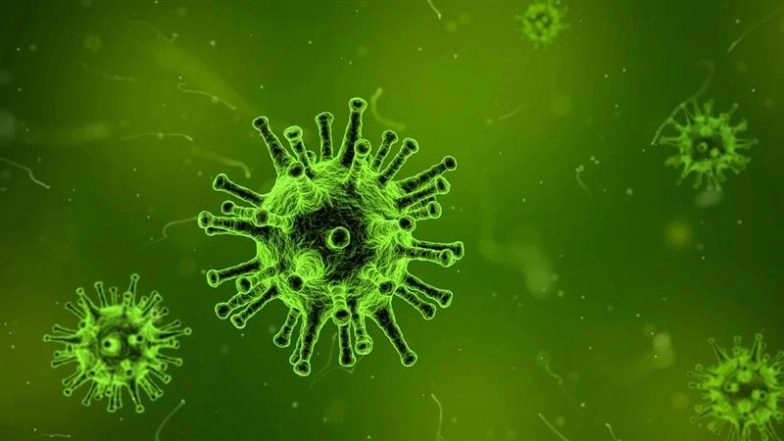
New Delhi, November 22: A newly mutated flu strain is raising serious concern among public health officials as winter approaches. This year, the usual seasonal sniffles may be overshadowed by a more worrying threat: a variant of Influenza A (H3N2) known as subclade K. Early data shows this strain carries several mutations that could weaken the effectiveness of current flu vaccines. With last year already marked as a “high severity” flu season in the US by the CDC, experts fear that this winter could bring an equally, or even more, challenging wave of illness if the mutated strain spreads widely.
What makes the situation especially concerning is that current vaccines were not fully designed around this variant. While they still provide meaningful protection, especially against severe disease, doctors warn that subclade K’s genetic tweaks may allow it to partially evade immune defences. Against this backdrop, health authorities are urging people to get vaccinated sooner rather than later, alongside adopting preventive habits to reduce transmission.
What Is Subclade K and Why It Matters
Subclade K is a newly identified offshoot of the H3N2 flu virus, carrying around seven mutations that virologists find particularly troubling. These changes appear to make the virus less recognisable to the immune system, meaning your body, or even the seasonal vaccine, may not respond as effectively. NBC Chicago has reported that the variant is “spreading fast” in parts of the US, prompting concern over how well the current flu shot will hold up if infections surge.
Despite this mismatch, experts stress that the vaccine still offers partial immunity, especially against hospitalization and severe symptoms. In short, the virus may be shifting shape, but vaccination remains a crucial defence line.
Why This Flu Season Could Overwhelm Hospitals
Hospitals are bracing for a heavy load. Public health officials in states like Illinois have already said they are “on guard” for a potential spike in admissions as subclade K circulates more widely. Last year’s flu burden paints a grim picture: millions of cases, hundreds of thousands of hospitalisations and tens of thousands of deaths during the 2024–25 season.
If subclade K becomes dominant, particularly among older adults, children and people with chronic conditions, the pressure on healthcare systems could intensify. Doctors are emphasising early antiviral treatment for high-risk groups and reminding communities that even partial protection from vaccination can significantly reduce the strain on hospitals.
Is the Flu Vaccine Still Worth It?
Even with concerns about vaccine mismatch, health experts are clear: getting the flu shot remains one of the most effective ways to protect yourself. Studies consistently show that even when vaccine effectiveness is lower, it still reduces the risk of severe disease, hospitalisation and complications.
Epidemiologists highlight that widespread vaccination also helps weaken the virus’s impact on the population, reducing transmission and slowing down potential surges. In a challenging season like this one, even small layers of protection can make a big difference.
When to Get Your Flu Shot and How to Prepare
The message from public health authorities is simple: don’t wait. With flu activity already rising and subclade K emerging, now is the best time to get vaccinated. Clinics, pharmacies and hospitals are offering flu shots, and experts urge the following groups to prioritise vaccination:
• Older adults
• Young children
• Individuals with chronic medical conditions
• People living with or caring for high-risk individuals
Beyond vaccination, preventive habits remain powerful tools. Washing hands frequently, wearing masks in crowded indoor spaces when flu rates are high and staying home if you feel unwell can all help curb spread.
Why This Season Is a Wake-Up Call
This winter is shaping up to be more than just another flu season. With a mutated virus, declining vaccination rates and memories of last year’s severe wave still fresh, experts call this a pivotal moment. The rapid evolution of subclade K highlights how adaptable the flu virus is and how important it is for communities to stay informed and proactive.
For families, older adults and those with health conditions, taking preventive steps now could be life-saving. And for policymakers, investing in updated vaccines, stronger surveillance and clear public communication will be critical to managing what could be a challenging flu season.
A mutated flu strain is gaining ground, and while vaccines may not perfectly match it, they remain essential. This winter, our choices matter, and getting vaccinated is the most important one.
(The above story first appeared on LatestLY on Nov 22, 2025 12:28 PM IST. For more news and updates on politics, world, sports, entertainment and lifestyle, log on to our website latestly.com).