'19 Minute 34 Second Ki Video' is a Viral Trap: Why is it Trending?
Why is the '19 Minute 34 Second Ki Video' trending again? We expose the massive cyber-trap targeting Payal Gaming. Read the full investigation into the 'zombie' bot networks, hidden malware risks, and why digital voyeurism is fueling this fake viral trend.

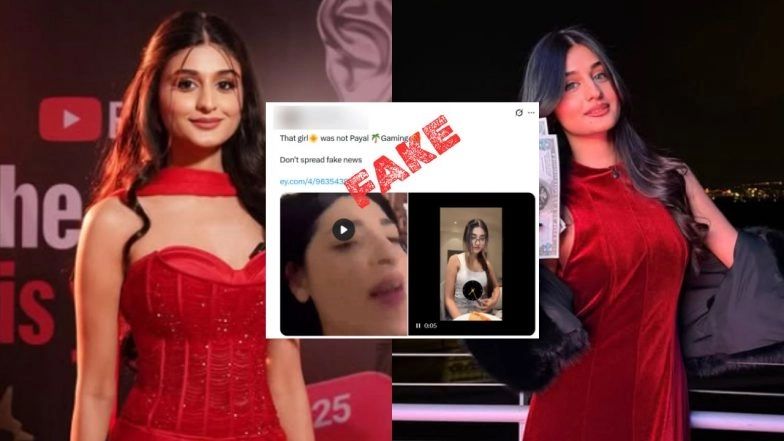
In the fast-paced world of the internet, viral trends usually have a lifespan of 48 hours. The "Payal Gaming" scandal should have been over weeks ago. The facts are already established: The video was debunked as a malicious AI-generated deepfake. The victim, Payal Dhare, filed a formal FIR. The police took swift action, arresting the individuals responsible for creating and circulating the clip. By all legal and logical standards, the case is closed.
However, the internet’s underbelly tells a different story. Despite the arrests and the public clarifications, a specific search term "19 minute 34 second ki video" has seen a massive resurgence in the last 72 hours. Users are not just stumbling upon this; they are actively hunting for it.
Know How Payal Gaming Got The Culprit Arrested For Leaking Her '19-Minute 34-Second' Video Links
View this post on Instagram
Why is a debunked, non-existent video still trending more than a month later? The answer is a dangerous mix of automated cybercrime and a disturbing societal habit.
Reason 1: The "Payal Gaming" Connection (The Origin)
The timestamp 19:34 is the digital fingerprint of the original scam. When the deepfake was first engineered, scammers faced a problem: users were suspicious of short, 10-second clips. To make the "leak" seem like a substantial, uncut vlog or hidden recording, they artificially inflated the file duration.
The Reality: There is no '19 minute 34 second ki viral video'
The Trick: Scammers took a 5-second AI-generated loop and duplicated it hundreds of times to create a file that technically lasts 19 minutes and 34 seconds. This specific length was chosen to trick users into believing they were downloading a "full" file, making them more likely to execute the malware hidden inside it.
Reason 2: The Hinglish version: "19 minute 34 second ki video" to Reach More Users
The persistence of the Hindi/Urdu phrase "ki video" (meaning "video of") is not accidental. It is a calculated SEO tactic targeting Tier-2 and Tier-3 cities in India and Pakistan. Cyber-criminals are aware that English-language searches like "Payal Gaming leak" are now heavily policed, flagged, and blocked by Google's safety filters. However, vernacular or Hinglish searches often slip through the cracks of automated moderation.
The Target: Young, mobile-first users in South Asia who consume content in their local language.
The Goal: To bypass the "Safety Net" that protects English users and deliver the malicious payload to a fresh audience that may not have seen the mainstream news reports about the arrests.
Reason 3: The "Zombie" Bot Network
The spike in search volume is largely inorganic. Even though the original creators are facing legal action, the infrastructure they built is still running. Automated bot networks continue to spam comments on Instagram, YouTube, and Telegram with cryptic messages like:
"Full 19:34 version is out. Watch before delete."
This artificial "shilling" forces the term back into Google's "Trending Searches," creating a self-fulfilling prophecy. Real users see it trending, assume a new leak has emerged, and join the search, walking right into the trap. Alina Amir to Arohi Mim '7:11, 4:47, 3:24, or 19 Minutes 34 Seconds' Viral Video Traps: Why Governments Must Act Now.
Reason 4: The Societal Rot: Digital Voyeurism
While bots and malware creators light the fire, it is society's "Digital Voyeurism" that keeps it burning. From '19-Minute MMS Video' Mystery to Smriti Jain Jaisalmer Case: The Viral Leaks and Digital Voyeurism of 2025.
What is Digital Voyeurism? It is the act of spying on the private, intimate moments of others through digital means, often without their consent. In 2026, this has evolved into a form of collective entertainment. When thousands of users type "19 minute 34 second ki video" into Google, they are not looking for news; they are actively seeking to consume what they believe is a woman's most private, vulnerable moment.
Why it is Harmful to Society:
The Erosion of Consent: By searching for these videos, users normalise the idea that a woman's privacy is public property. It sends a message that if a leak exists (real or fake), the public has a "right" to see it.
Dehumanisation: The specific demand for a "19-minute" duration reveals a disturbing mindset. Victims cease to be humans with families and careers; they are reduced to "content" to be consumed. The search for a longer duration implies a desire for a more "immersive" violation.
Fueling the Crime: Cyber-criminals only create these deepfake traps because the market exists. Your curiosity is their business model. If no one searched for "leaked video," the bot networks would have no one to target. Every search query validates the scammers' efforts and incentivises the next attack.
The Final Warning: What Happens If You Find '19 minute 34 second ki video'?
If you persist in searching for "19 minute 34 second ki video," you will eventually find a link. It will likely be hosted on a hacked University or Government server (Parasite SEO). From Alina Amir 4:47 New Video to Arohi Mim 3 Minutes 24 Second Viral Link: How to Spot AI?
Here is what is inside that 19-minute file:
The Loop: A grainy, looped video that is unwatchable.
The Payload: Embedded inside the video player is a script that attempts to drive-by download a Betting App (APK) or a Trojan that steals your OTPs.
The "19:34" video is not a leak; it is a lure. The reason it is still trending is that the bot networks are fighting to keep their malware distribution channels open, and digital voyeurism is keeping the demand high. Stop the search. Break the cycle.
(The above story first appeared on LatestLY on Jan 31, 2026 07:09 PM IST. For more news and updates on politics, world, sports, entertainment and lifestyle, log on to our website latestly.com).