Bone Fractures, Low Blood Pressure, Vision Impairments: What Sunita Williams Might Face After Returning to Earth Following Prolonged Stay in Space
Sunita Williams’ return to Earth after a prolonged space stay brings health risks like bone fractures, low blood pressure, and vision impairments, requiring extensive rehabilitation.

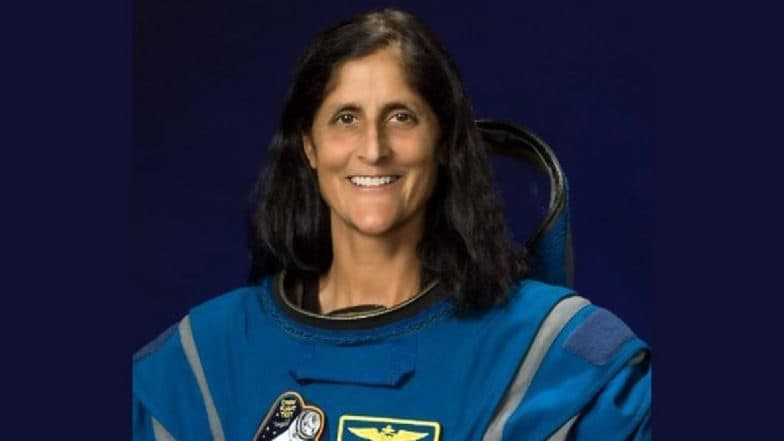
Mumbai, March 5: After more than nine months aboard the International Space Station (ISS), the Indian-origin NASA astronaut Sunita Williams is finally set to return to Earth. A journey meant to last only a few weeks turned into an extended stay due to technical malfunctions with her spacecraft. While her homecoming is highly anticipated, space experts warn of the physical toll, including bone fractures, low blood pressure, and vision impairments, she will endure. As Williams re-enters Earth’s gravity, her body will have to work harder to adjust to normal movement.
The transition from space to Earth is more than just a change in scenery; it’s a test of human endurance. NASA data shows that astronauts can lose up to 20 percent of their muscle mass, making simple movements challenging post-mission. Returning to full strength will require months of rehabilitation, monitoring, and specialised training. Let’s take a closer look at the health risks she might face after returning to earth following a prolonged stay in space. Sunita Williams Homecoming Date, Time: When, Where and How Will Indian-Origin NASA Astronaut Return to Earth From Space.
Health Issues Sunita Williams Will Face Upon Returning to Earth
NASA astronaut Sunita Williams is expected to face multiple health risks upon her return to Earth after spending over nine months in microgravity. According to a report by The HealthSite.com, one of the most serious concerns is bone density loss, which makes astronauts highly vulnerable to fractures. Studies show that astronauts can lose up to 1-1.5 per cent of their bone mass per month in space due to the absence of gravitational force. Without constant pressure on bones, they become weaker, increasing the risk of breaks and fractures during physical activity. Sunita Williams Health Update: NASA Astronaut's Mother Bonnie Pandya Dismisses Health Concerns Surrounding Her Daughter, Says 'Space Is As Safe as Anywhere Else' (Watch Video).
Williams will undergo rigorous rehabilitation to restore bone strength and minimise long-term skeletal damage. Another major health risk is cardiovascular instability, including low blood pressure and dizziness, caused by prolonged weightlessness. The HealthSite.com report explains that in microgravity, the heart does not work as hard to pump blood, leading to reduced cardiac efficiency. Upon reentry, astronauts often experience orthostatic intolerance, where standing for extended periods can cause lightheadedness or fainting.
Additionally, fluid redistribution in space increases pressure on the optic nerve, potentially leading to vision impairments. Some astronauts have reported blurry vision or difficulty focusing post-mission. With NASA's intensive rehabilitation program, Williams will undergo careful monitoring to regain normal circulation, stabilise her vision, and rebuild endurance for life on Earth. The journey back to Earth is just the beginning of Sunita Williams’ recovery process. Months of rehabilitation and medical supervision will be essential for her to regain normal strength. Her experience will not only aid future astronauts but also advance research on space-induced health risks.
(The above story first appeared on LatestLY on Mar 05, 2025 08:15 AM IST. For more news and updates on politics, world, sports, entertainment and lifestyle, log on to our website latestly.com).