Russia Blocks WhatsApp, Pushes Citizens Toward State-Backed ‘MAX’ Messaging App
Russian authorities have fully blocked WhatsApp, escalating the Kremlin’s campaign to tighten control over the country’s digital ecosystem and steer users toward a state-backed messaging platform known as MAX.

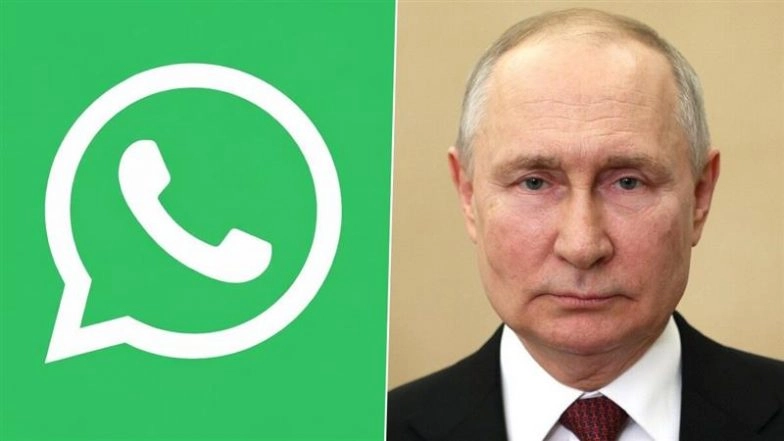
New Delhi, February 12: Russian authorities have fully blocked WhatsApp, escalating the Kremlin’s campaign to tighten control over the country’s digital ecosystem and steer users toward a state-backed messaging platform known as MAX. The move affects an estimated 100 million users across Russia and significantly reshapes the nation’s online communication landscape.
WhatsApp Removed From National DNS
The restriction follows action by Russia’s internet regulator, Roskomnadzor, which reportedly removed WhatsApp’s domains, including whatsapp.com and web.whatsapp.com, from the country’s National Domain Name System (DNS). As a result, most users can no longer access the service without using a Virtual Private Network (VPN). Russia Blocks Signal Messaging App Due to Violations of Legislation, Tighten Control Over Information: Report.
WhatsApp Says Russia Has Tried to Block Its Messaging Service
Today the Russian government attempted to fully block WhatsApp in an effort to drive people to a state-owned surveillance app. Trying to isolate over 100 million users from private and secure communication is a backwards step and can only lead to less safety for people in Russia.…
— WhatsApp (@WhatsApp) February 12, 2026
Although some technical domains such as whatsapp.net remained briefly accessible, the app’s core functions have been disabled nationwide. The block comes after months of reported throttling and limits on encrypted calls that began in late 2025.
Kremlin Promotes State-Backed ‘MAX’ App
In a statement, WhatsApp’s parent company Meta Platforms called the action a deliberate attempt to push citizens toward MAX, describing the alternative as a government-controlled platform.
Russian officials, however, argue the move is necessary for national security. Authorities claim foreign platforms, including Telegram, have refused to cooperate with law enforcement in investigations involving fraud and terrorism. State media maintains that MAX complies with Russian data laws and security requirements. WhatsApp To Be Banned in Russia? Reports Say Russian Government Will Ban Messaging App in 2025 if Meta Fails To Comply With Country's Laws.
Legal Background and Political Context
The crackdown is rooted in mounting legal pressure on Meta. In 2022, a Russian court designated Meta an “extremist organization” following the invasion of Ukraine. While Facebook and Instagram were banned shortly after, WhatsApp had initially been spared due to its private messaging focus.
That position shifted as lawmakers increasingly cited concerns over “information sovereignty” ahead of the 2026 State Duma elections. Officials have emphasized the need for tighter control over digital communication channels to prevent the spread of what they describe as “unapproved information.”
Impact on Russian Users
WhatsApp was the most widely used messaging app in Russia, making the ban one of the most consequential digital restrictions in recent years. Many users are now turning to VPN services to bypass the block, though authorities have simultaneously intensified efforts to restrict VPN access.
The move signals a broader shift in Russia’s internet policy, one aimed at reducing reliance on foreign technology platforms and consolidating digital infrastructure under domestic oversight.
As the Kremlin deepens its push for digital self-reliance, Russia’s online landscape appears set for further transformation, with encrypted foreign messaging services facing growing pressure within the country’s borders.
(The above story first appeared on LatestLY on Feb 12, 2026 07:22 AM IST. For more news and updates on politics, world, sports, entertainment and lifestyle, log on to our website latestly.com).