












 Quickly
 Socially
 Trending
 Crypto
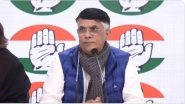
Bengaluru, Feb 7 (PTI) Karnataka Minister H K Patil said on Friday that if illegal loan recovery or charging of interest is considered a "fundamental right" under the Constitution, it would severely undermine constitutional safeguards and encourage unlawful lending practices in society.
Governor Thaawarchand Gehlot rejected Karnataka Micro Finance (Prevention of Coercive Actions) Ordinance 2025, stating that in its current form, the lenders, who are also part of society, are being done a great injustice.
Siddaramaiah-led Congress government had proposed to regulate microfinance in response to a spate of suicides and multiple complaints from various parts of the state against predatory loan recovery methods used by microfinance firms.
Responding to the governor's reasons for rejecting the ordinance, Patil, who holds the Law and Parliamentary Affairs portfolio said, "Unregistered and unlicensed individuals or entities have no legal authority to lend money or impose exorbitant interest rates, compound interest, or penal interest. Privately lending without a license and charging high interest is illegal. Such loans are neither valid nor eligible for recovery."
Also Read | 8th Pay Commission: Will Govt Merge Pay Scales for Level 1-6 Employees? Here's What the New Proposal Says.
Gehlot had also objected to the provision that blocked lenders from seeking legal recourse to recover their pending amounts.
In his response, Patil said, "Only loans issued through legal procedures with interest rates prescribed under the law are eligible for recovery. Courts cannot entertain claims for illegal loans or unlawfully imposed interest… There is no legal basis for recovering loans through illegal means or imposing unjust interest."
According to him, the ordinance submitted by the government to the Governor does not state that a legally registered institution or individual who has provided a genuine loan as per the rules cannot recover it or that such loans are not eligible for recovery.
"It only proposes to prevent and prohibit illegal actions, torture, and coercion for debt recovery. The ordinance does not propose any action that would violate natural justice, the rights of any person, or the fundamental rights to legal struggle," Patil added.
He also pointed out that the Reserve Bank's regulations clearly stipulate that microfinance institutions should provide loans without obtaining any security.
"Therefore, microfinance should be provided without obtaining security, and if security has been obtained illegally, the microfinance institution must return such security," he added.
He further clarified that the ordinance would have little to no impact on the business of self-help groups and future societies.
"Only illegal actions by loan-granting institutions are considered a penal offense. The ordinance does not mention the process of lending and recovering loans by registered institutions, banks, and non-banking financial institutions. The exclusion of registered institutions from the ambit of this ordinance, given the availability of Reserve Bank regulations, is legal," he insisted.
According to him, these steps have been taken to ensure that loan providers adhere strictly to legal procedures for recovery.
Countering Gehlot's observation regarding "existing frameworks by enforcement machinery", Patil said that Reserve Bank guidelines and registration provisions apply only to registered institutions.
"Such provisions do not specify punishments for particular offences under various laws," he added.
Reacting to Gehlot's comment "why the hurry?", Patil said the government had prepared the draft of this ordinance after conducting the necessary consultations.
"Consultations have been carried out at all levels of the government up to the chief minister," he stated.
According to him, the ordinance was finalised urgently in response to an "emergency" where people were losing their lives.
The ordinance will naturally be presented in the legislature as a bill for discussion. During the legislature session, opinions will be gathered, and a comprehensive law will be finalised, he added.
He reiterated that the Karnataka government has exercised its supreme jurisdiction under Article 213, Entry 30 of List-2 (7th Schedule) of the Constitution to implement this act/ordinance.
(The above story is verified and authored by Press Trust of India (PTI) staff. PTI, India’s premier news agency, employs more than 400 journalists and 500 stringers to cover almost every district and small town in India.. The views appearing in the above post do not reflect the opinions of LatestLY)
 Share Now
 Google Trends



 Live Bot