Kolkata Fatafat Live Results: From Handshakes to Hackers
Explore the evolution of Kolkata Fatafat from its street-side origins to the modern digital era. Learn how scammers use fake live Kolkata FF result sites and apps to target players today.

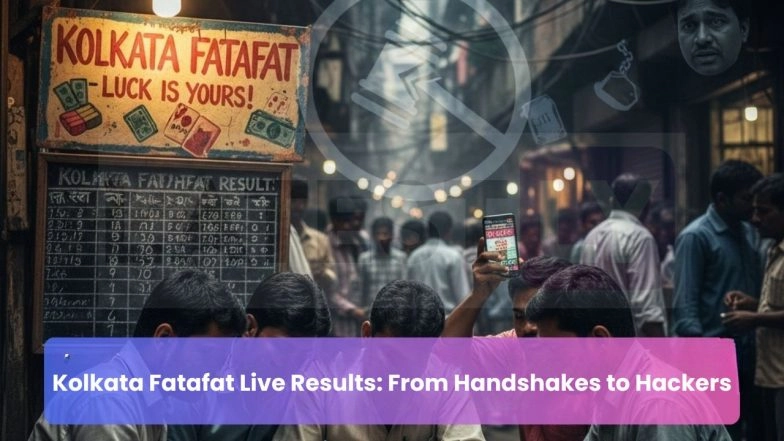
For decades, the term "Fatafat" has been synonymous with the fast-paced, high-stakes street life of Kolkata. What began as a local, trust-based betting system has transformed into a massive digital industry. However, this evolution has come at a steep cost. As the game moved from the narrow lanes of North Kolkata to the screens of smartphones, the fundamental element of "local trust" was replaced by a sophisticated web of illegal websites, malware-laden apps, and cyber scams promising live Kolkata FF results and tips. Here at LatestLY, we explore the journey of Kolkata Fatafat from its traditional roots to its current dangerous digital reality.
The 'Kolkata Fatafat' Era of Trust: Handshakes and Tea Stalls
In its early years (roughly the 1960s through the 1990s), Kolkata Fatafat was a community-driven activity. It didn't rely on complex algorithms or offshore servers; it relied on social trust.
The Local "Kaka": Betting was managed by local agents, often small shopkeepers or tea stall owners known to everyone in the neighbourhood. You didn't need an account or a password; you just needed to know the person behind the counter.
The Hand-Written Ledger: Transactions were recorded in physical notebooks. Winning payouts were handled in cash, usually on the same day. Because the agent lived in the same community, the risk of "running away" with the money was low; social reputation was the ultimate security.
The Blackboard Era: Results weren't "googled." They were written in chalk on small blackboards outside specific shops. Players would gather around these spots eight times a day to see their fate, turning the game into a social ritual.
Kolkata Fatafat Results Live: The Digital Shift (2010 to 2026)
The explosion of cheap smartphones and 4G/5G data changed everything. The game moved from the physical world to the virtual one, and with that transition, the "local agent" was replaced by anonymous webmasters.
Phase 1 (SMS & Basic Web): In the early 2010s, Kolkata FF results began appearing on basic websites and were shared via SMS groups.
Phase 2 (The App Boom): By 2019, hundreds of unauthorised "Kolkata FF Live Results" apps appeared on third-party app stores (as Google Play Store prohibits most gambling apps).
Phase 3 (The SEO Trap): Today, a massive ecosystem of "Result Sites" competes for traffic. These sites use "Parasite SEO" (hacking into government or educational websites) to rank higher in search results, tricking users into thinking they are "official Kolkata Fatafat results providers."
Old-World Trust vs. Modern-World Scams: The Evolution of Kolkata Fatafat
The transformation of Kolkata Fatafat is more than just a move from paper to pixels; it is a shift from a community-based "word of honor" system to an anonymous, high-risk digital landscape. The following table compares the two eras across several key dimensions of Kolkata Fatafat:
| Kolkata Fatafat | The Traditional Era (Pre-2010s) | The Modern Digital Era (2020-Present) |
| Trust Factor | High/Personal: Based on local relationships and face-to-face contact with neighbourhood agents. | Low/Anonymous: Based on anonymous websites and hidden operators who can vanish instantly. |
| Result Access | Physical blackboards at tea stalls or local "offices" are shared via word of mouth. | Instant updates via unauthorised websites, YouTube live streams, and Telegram groups. |
| Payment Method | Purely cash-based, handled in person by the local agent you knew personally. | UPI (Google Pay, PhonePe), net banking, or unregulated digital wallets. |
| Security Risk | Small physical risks (local police raids or loss of a ledger). | Cyber Risks: Phishing, malware, data harvesting, and financial fraud. |
| Scam Frequency | Rare (local social pressure prevented agents from cheating neighbours). | Extreme: Thousands of fake "result" sites and "Sure-Tip" scammers on social media. |
| Verification | Verified by physical presence and community consensus. | No official verification; users often land on "mirror" sites with false information. |
The Rise of the Kolkata Fatafat Scams: How Users are Targeted Today
While the original game was a simple "win or lose" bet, the modern digital version is a minefield of cybercrime. The element of trust has been weaponised by scammers in several ways:
The "Kolkata FF VIP Tips" Fraud: Scammers on YouTube and Telegram claim to have "leaked numbers" or "Gosh Babu tips for Kolkata FF." They charge desperate players thousands of rupees for these fake predictions, only to block the user once the payment is made.
Malware-Laden Apps: Since these apps aren't vetted by official app stores, many are "trojans." Once installed, they can access your contacts, read your SMS (to steal bank OTPs), and track your location.
The "Live Result Delay" Scam: Fraudulent websites often show fake live "winning" numbers to lure people into betting more, only to change the "official" result later.
Phishing Sites: Many sites claiming to provide "Kolkata Fatafat Live" or "Kolkata FF Results" are designed to look like legitimate news portals but are actually phishing traps meant to harvest personal data for identity theft. Also Read: Kolkata Fatafat Results Today & Gujarat FF Live Online: Is it Legal or a Scam?
Kolkata Fatafat: A Vanishing Community Core
The history of Kolkata Fatafat is a classic example of how technology can scale a local tradition while simultaneously stripping away its safety nets. The "handshake deals" of the past have been replaced by "click-bait traps" of the present. While the game continues to thrive in the digital shadows, the shift from local accountability to anonymous online platforms has made it a primary tool for modern cyber scammers. For the average user, the risk is no longer just losing a bet; it’s losing their digital identity and financial security to a screen they can never hold accountable.
Disclaimer: This article is for historical and informational research purposes only. Kolkata Fatafat and other Fatafat games are considered illegal forms of gambling under the Public Gambling Act and various state laws. Participation in these activities can lead to legal prosecution and severe financial loss. Furthermore, visiting unauthorised result websites poses significant cybersecurity risks, including malware and data theft. Always prioritise legal and regulated entertainment over unregulated betting platforms. LatestLY does not facilitate, promote, or provide "sure tips" for any illegal betting activities.
(The above story first appeared on LatestLY on Feb 17, 2026 01:04 PM IST. For more news and updates on politics, world, sports, entertainment and lifestyle, log on to our website latestly.com).