Kolkata Fatafat Results Today & Gujarat FF Live Online: Is it Legal or a Scam?
Searching for Kolkata Fatafat results today or Gujarat Fatafat Live online? Learn why these Satta-style games are illegal, how to avoid unauthorized scam websites, and the major financial risks involved in Kolkata FF.

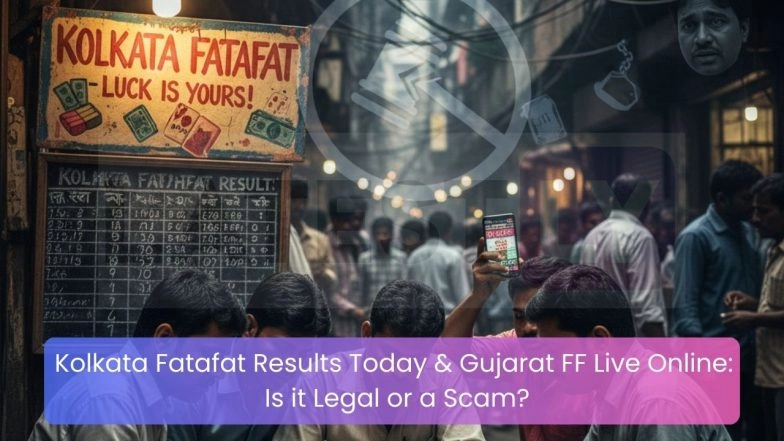
In the bustling streets and hidden corners of India, beneath the veneer of daily life, lies a thriving underground gambling culture. Among the most popular iterations of this phenomenon are "Kolkata Fatafat" and "Gujarat Fatafat." These fast-paced, lottery-style games, known for their frequent draws and immediate results, capture the hopes and dreams of many, promising quick riches. However, their pervasive presence belies a murky legal status and significant risks that players often overlook. This article will delve into what these games entail, examine their legality, and highlight the inherent dangers associated with participating in such unregulated betting activities.
What Exactly Are "Fatafat" Games?
The term "Fatafat" literally translates to "quickly" or "fast," perfectly encapsulating the nature of these games. Unlike traditional, government-run lotteries that typically have weekly draws, Fatafat games offer multiple opportunities to bet and win throughout the day. They fall under the broader umbrella of "Satta Matka," a form of gambling that originated in Mumbai in the 1960s.
Kolkata Fatafat (Kolkata FF)
Kolkata Fatafat is perhaps the most prominent and frequently played Satta-style game within West Bengal, particularly in its namesake city. It is a number-guessing game where participants place bets on various combinations of numbers. The results are declared multiple times a day, typically eight times on weekdays (Monday to Saturday) and four times on Sundays. This high frequency is a major draw, offering instant gratification or disappointment. Players can bet on:
- Single numbers: Betting on a single digit from 0-9.
- Jodis: Betting on a pair of digits, like 23 or 78.
- Pattis: Betting on a triplet of digits, such as 123 or 550.
The results are traditionally based on a system of drawing cards or numbers, though the exact mechanics can vary and are often shrouded in secrecy due to their unregulated nature.
Gujarat Fatafat (Gujarat FF)
Operating on a similar premise, Gujarat Fatafat is the counterpart popular in the state of Gujarat. Like Kolkata FF, it involves betting on numbers with results declared multiple times daily. The structure of betting (singles, jodis, pattis) largely mirrors that of other Satta Matka games. Its appeal stems from the same desire for rapid financial gain, leveraging the excitement of frequent draws.
The Precarious Legal Status: Are Kolkata Fatafat and Gujarat Fatafat Legal?
The crucial question surrounding both Kolkata Fatafat and Gujarat Fatafat is their legality. The short and unequivocal answer is that they are generally considered illegal under Indian law. Lottery Sambad: Meaning, Official Websites, Legality and Scams.
The Public Gambling Act of 1867
The foundational law governing gambling in India is the Public Gambling Act of 1867. This central legislation largely prohibits operating or visiting a public gambling house. While states have the autonomy to enact their own gambling laws, most have maintained or strengthened these prohibitions, particularly concerning private, unregulated betting operations.
Kolkata Fatafat and West Bengal Law
West Bengal has its own lottery regulations, and the state does sanction specific government lotteries (e.g., "Dear Lottery"). However, Kolkata Fatafat does not fall under this legal framework. It operates as an unregulated private gambling enterprise. While the enforcement might vary, and it thrives in a "grey area" due to its widespread popularity, it lacks any official government license or oversight. This means its operation is illicit, and participation carries legal risks.
Gujarat Fatafat and Gujarat Law
The situation for Gujarat Fatafat is even more stringent. Gujarat is known as a "dry state" with very conservative laws regarding alcohol and gambling. The Gujarat Prevention of Gambling Act is particularly strict, prohibiting almost all forms of betting and gambling within the state. Therefore, Gujarat Fatafat operates in direct contravention of state law, making both its operation and participation in it strictly illegal. The penalties for gambling in Gujarat can be severe, including fines and imprisonment.
The Inherent Risks of "Fatafat" Gambling
Beyond the legal ramifications, engaging in Kolkata Fatafat or Gujarat Fatafat carries significant personal and financial risks:
Financial Ruin: These are purely "games of chance," and like all forms of gambling, they are designed with a house edge. The high frequency of draws can lead to rapid and substantial financial losses, pushing individuals into debt.
Lack of Consumer Protection: Since these games are unregulated, there is no legal recourse for participants. If an agent refuses to pay out winnings or if the game is rigged, players have no official body to appeal to.
Vulnerability to Scams: The clandestine nature of Fatafat games gives rise to numerous scams. Many websites, apps, and individuals prey on hopeful players by promising "sure shot" numbers or infallible "tips" in exchange for money, only to disappear once payment is received.
Addiction: The fast pace and constant availability of these games can quickly lead to gambling addiction, which has devastating consequences for individuals, families, and communities.
Association with Illicit Activities: The operation of such illegal gambling rackets is often linked to other illicit activities, making it a perilous ecosystem for participants.
The 'Kolkata FF Results Today' Search Result Trap: Scams and Cybersecurity Risks
A significant modern danger lies in how players access game information. Millions of users daily search for terms like "Kolkata Fatafat Results," "Kolkata Fatafat Results Live," "Kolkata FF results today," or "Gujarat Fatafat results online." This massive search volume has created a playground for cybercriminals and scammers:
Phishing and Malware: Many unauthorised websites that claim to show "live results" are actually "mirror sites" designed to inject malware into your device or steal personal data.
The "Sure Shot" Scam: Scammers use YouTube channels and WhatsApp groups to sell "VIP numbers" or "leak results," tricking desperate players into paying for fake predictions.
Data Harvesting: These unregulated sites often lack basic security protocols. By visiting them, users risk having their IP addresses, location data, and even banking details harvested by international betting syndicates.
Financial Fraud: Since these platforms are illegal, there is no "official" website. Users often land on fraudulent payment gateways where their money is siphoned off without any actual bet being placed.
Kolkata Fatafat and Gujarat Fatafat, while immensely popular in their respective regions, represent the enticing yet dangerous allure of quick money through illicit means. They are pervasive due to the human desire for instant wealth, but they operate outside the bounds of the law, offering no protections and carrying significant risks. From the direct threat of financial ruin and exploitation to the legal consequences of engaging in prohibited activities, the glamorous façade of "Fatafat" games quickly fades upon closer inspection. Understanding their illegal status and the profound dangers they pose is crucial for anyone tempted by their promise of easy riches.
Disclaimer: This article is for informational purposes only and is not intended to promote, endorse, or encourage any form of gambling, legal or illegal. The information provided herein is based on general knowledge and publicly available understanding of gambling laws in India. Laws are subject to change, and interpretations may vary. Readers are strongly advised to consult legal professionals for specific legal advice regarding gambling activities in their jurisdiction. Engaging in illegal gambling activities carries severe financial and legal risks, and individuals do so at their own peril.
(The above story first appeared on LatestLY on Feb 13, 2026 03:32 PM IST. For more news and updates on politics, world, sports, entertainment and lifestyle, log on to our website latestly.com).