Friday The 13th Superstitions: Why 2026 is a 'Triple Threat' Year
Is Friday the 13th really unlucky? From biblical betrayals to the Knights Templar, explore the origins of paraskevidekatriaphobia and find out why 2026 features a rare triple occurrence of this dreaded day.

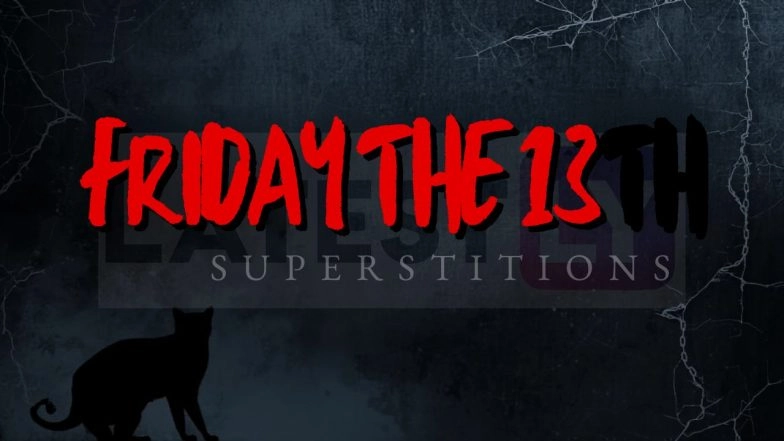
For centuries, Friday the 13th has been synonymous with bad luck, eerie coincidences, and a general sense of unease. From avoiding flights to postponing business deals, millions of people around the world alter their behaviors on this specific date. The fear is so prevalent that it even has a clinical name: paraskevidekatriaphobia (a combination of the Greek words for Friday, thirteen, and fear).
While skeptics dismiss it as mere superstition, the cultural impact of this day is undeniable. But where did this fear come from, and what does 2026 hold for the superstitious? Friday the 13th Funny Memes, Hilarious Jokes and Spooky Instagram Posts To Share on This Infamous Date.
Friday the 13th in 2026: A Triple Threat
For those who are wary of this date, 2026 is a particularly notable year. While many years feature only one or two occurrences, 2026 has three Friday the 13ths:
- February 13
- March 13
- November 13
The occurrence of three Friday the 13ths in a single year happens only when a non-leap year begins on a Thursday (like 2026). The proximity of the first two back-to-back in February and March is a quirk of the calendar that occurs because February has exactly 28 days in a regular year, causing the days of the week to align perfectly with March.
Friday the 13th Superstition Origins: A Convergence of History and Myth
The dread associated with Friday the 13th isn't tied to a single event but rather a convergence of religious beliefs, Norse mythology, and historical tragedy.
The Last Supper: Perhaps the most famous origin lies in the Bible. Judas Iscariot, the apostle who betrayed Jesus, was the 13th guest at the Last Supper. The crucifixion of Jesus occurred the following day, which was a Friday. This created a lasting association between the number 13, Fridays, and betrayal or death.
Norse Legend: In Norse mythology, a dinner party of the gods in Valhalla was ruined when Loki, the trickster god, arrived as the uninvited 13th guest. He manipulated the blind god Hoder into shooting Balder the Beautiful with a mistletoe-tipped arrow, plunging the world into darkness and mourning.
The Knights Templar: A popular historical theory points to Friday, October 13, 1307. On this day, King Philip IV of France ordered the mass arrest of the Knights Templar, leading to their torture and execution. This date, popularized by books like The Da Vinci Code, is often cited as the day the "bad luck" began.
Common Superstitions and Rituals around Friday the 13th
On Friday the 13th, logic often takes a backseat to tradition. Many people adopt specific avoidance behaviors to ward off misfortune:
Travel Bans: It is not uncommon for people to avoid flying or driving long distances, fearing a higher likelihood of accidents.
The "Dinner Party" Rule: Adhering to the Last Supper superstition, hosts often avoid seating exactly 13 guests at a table, fearing that the first to rise (or the 13th arrival) will face a tragedy within the year.
Business Stagnation: The day is considered inauspicious for starting new ventures, signing contracts, or even cutting ribbons for new projects.
Domestic Taboos: Old folklore warns against changing bedsheets on this day (lest you invite bad dreams) or cutting hair (which some believe could result in a death in the family).
Triskaidekaphobia and the Modern World
The fear of Friday the 13th is deeply rooted in triskaidekaphobia, the fear of the number 13 itself. This fear has tangible effects on modern architecture and travel:
Missing Floors: Many high-rise hotels and hospitals still omit the 13th floor, numbering elevators straight from 12 to 14.
Aviation: Some airlines skip row 13 on their planes to comfort anxious passengers.
Interestingly, the superstition is not universal. In Spanish-speaking countries, Tuesday the 13th (Martes 13) is the dreaded day, while in Italy, Friday the 17th is considered unlucky. ‘Friday the 13th’ Movies Return to US Theatres Every Friday the 13th Throughout 2026 in Regal Cinemas.
Whether you view Friday the 13th as a genuine omen of bad luck or simply a quirky calendar event, it remains a powerful part of our shared folklore. In 2026, we face this "unlucky" day three times. While statistics show that Friday the 13th is no more dangerous than any other Friday, the psychological power of the date ensures that many will still think twice before walking under a ladder or breaking a mirror. So, if you find yourself being extra cautious on February 13, March 13, or November 13 this year, you are certainly not alone in playing it safe.
(The above story first appeared on LatestLY on Feb 13, 2026 10:12 PM IST. For more news and updates on politics, world, sports, entertainment and lifestyle, log on to our website latestly.com).