Delhi-Dehradun Expressway Inaugurated by PM Narendra Modi: Route, Travel Time, Toll and Key Features
The Delhi-Dehradun Expressway, inaugurated by Narendra Modi, cuts travel time to just 2.5 hours. Built by NHAI, the 213 km corridor features a unique wildlife passage in Rajaji National Park, improved connectivity, modern traffic systems and better access to key tourist and economic hubs.

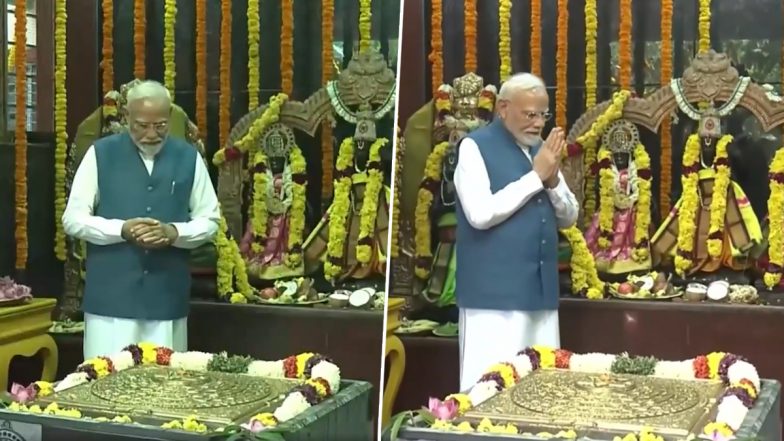
The much-awaited Delhi-Dehradun Expressway has finally been inaugurated, marking a major boost to connectivity between Delhi and Dehradun. Prime Minister Narendra Modi launched the ambitious corridor on April 14, calling it a transformative step towards faster, safer and greener travel.
Developed by the National Highways Authority of India, the expressway is designed to significantly reduce travel time while ensuring environmental sustainability. One of its standout features is a dedicated wildlife corridor, reflecting a balance between infrastructure growth and ecological preservation.
Delhi-Dehradun Expressway
#WATCH | Uttarakhand: The Dehradun–Delhi Expressway, which is set to be inaugurated tomorrow by Prime Minister Narendra Modi, has an estimated total cost of around Rs 12,000 to Rs 13,000 crore.
The project also features Asia’s longest elevated wildlife corridor, spanning… pic.twitter.com/TZx8WYyQep
— ANI (@ANI) April 13, 2026
Delhi-Dehradun Expressway Length and Cost
The Delhi-Dehradun Expressway spans approximately 213 kilometres and has been constructed at a cost exceeding INR 12,000 crore. The six-lane, access-controlled highway passes through key regions in Delhi, Uttar Pradesh and Uttarakhand.
The project reduces the travel distance from around 235 km to nearly 212 km. More importantly, it cuts travel time drastically from over six hours to just about 2.5 hours, making road trips between the two cities significantly faster and more efficient. PM Narendra Modi To Inaugurate Dehradun-Delhi Expressway in Uttarakhand on April 14.
Route and Connectivity Details
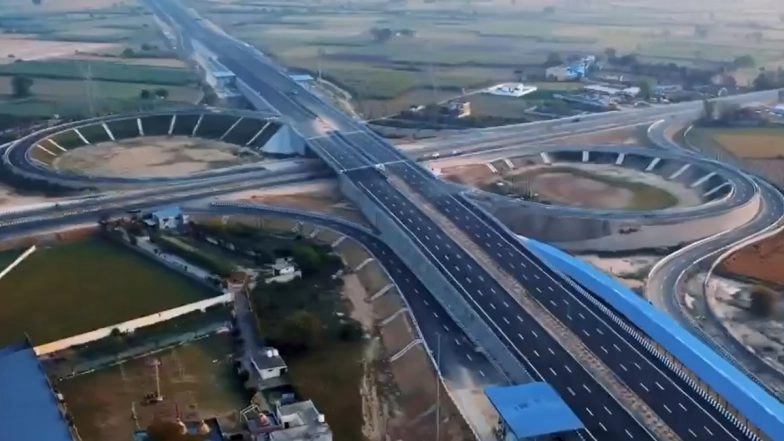
The expressway begins near Akshardham Temple and connects major districts including Baghpat, Muzaffarnagar, Shamli and Saharanpur before entering Uttarakhand.
With 113 vehicular underpasses, 10 interchanges, multiple entry-exit points and nearly 76 km of service roads, the corridor ensures seamless connectivity for both long-distance and local traffic. It also features 62 bus shelters and 12 wayside amenities for traveler convenience. PM to Inaugurate Delhi-Dehradun Economic Corridor Tomorrow; To Reduce Travel Time to Around 2.5 Hours.
Unique Wildlife Corridor in Rajaji National Park
One of the most remarkable aspects of the expressway is its elevated wildlife corridor through Rajaji National Park in the Shivalik Hills.
A 12-kilometre elevated stretch between Ganeshpur and Asharodi has been specially designed to allow free movement of animals. Built with widely spaced pillars and a vertical clearance of six metres, it accommodates even large animals like elephants.
Additional eco-friendly features include sound barriers to reduce traffic noise, controlled lighting for nocturnal species, and specially designed underpasses to prevent animal-vehicle collisions. A 340-metre tunnel near the Daat Kali Temple further minimizes environmental disruption.
Toll Charges and FASTag Benefits
The Delhi-Dehradun Expressway includes four toll plazas as part of its access-controlled design. While exact toll rates may vary, FASTag annual pass users are expected to pay slightly over INR 60 for a one-way journey across all toll points, making it relatively affordable for frequent travellers.
Hybrid Construction Model Explained
The expressway has been developed using a mix of greenfield and brownfield approaches. The first phase from Delhi to Khekra is largely brownfield, involving upgrades to existing infrastructure.
The second phase, stretching around 120 km, is entirely greenfield, built from scratch for high-speed travel. The third and fourth segments combine both methods, especially near Uttarakhand, where terrain and ecological considerations required a balanced approach.
Advanced Traffic Management System
To ensure safety and efficiency, the corridor is equipped with an Advanced Traffic Management System. Key infrastructure elements include three railway overbridges, four major bridges and multiple interchanges designed to streamline traffic flow.
These features aim to reduce congestion, enhance road safety and provide a smooth driving experience across the entire stretch.
Boost to Tourism and Regional Economy
The expressway is expected to significantly enhance access to popular destinations such as Haridwar, Mussoorie and the Char Dham route. Faster connectivity is likely to boost tourism, encourage real estate growth and support local businesses.
Cities and towns along the route, including Meerut, Baghpat and Yamunagar, will also benefit from improved accessibility, ensuring they remain economically integrated rather than bypassed.
Key Benefits of Delhi-Dehradun Expressway
The Delhi-Dehradun Expressway is more than just a highway. It represents a major step towards modern infrastructure, combining speed, sustainability and smart planning. By improving connectivity between major urban centres and tourist hubs, it is set to drive economic growth, reduce travel fatigue and redefine road travel in northern India.
(The above story first appeared on LatestLY on Apr 14, 2026 02:46 PM IST. For more news and updates on politics, world, sports, entertainment and lifestyle, log on to our website latestly.com).