Lok Sabha Expansion: Govt Proposes 850 Seats With 815 Directly Elected MPs; Aims Women's Reservation Rollout Before 2029 Elections
The Centre has proposed expanding the Lok Sabha to 850 seats, with 815 directly elected MPs, under the Constitution (131 Amendment) Bill, 2026. By linking delimitation to the 2011 Census, the government aims to roll out 33% women’s reservation before the 2029 general elections.

- Read in
- हिंदी
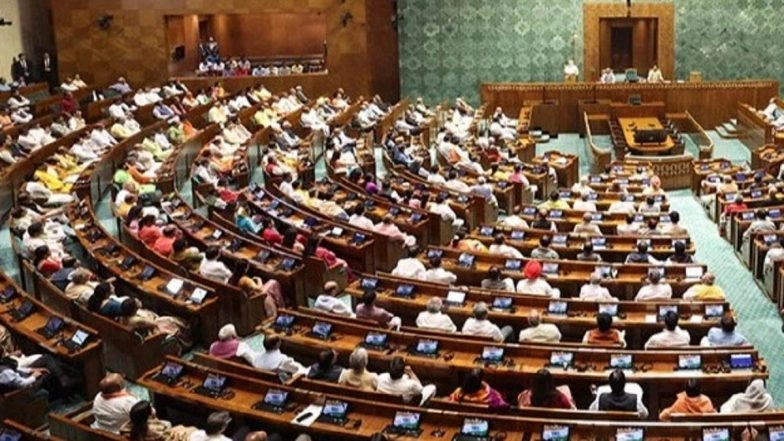
The Union government has unveiled a major electoral reform proposal, circulating the draft of the Constitution (131 Amendment) Bill, 2026 to Members of Parliament. The move combines two significant changes: expanding the Lok Sabha to 850 seats and accelerating the implementation of women’s reservation in Parliament.
This proposal is being seen as a crucial step toward reshaping India’s electoral structure while ensuring that the long-pending 33 percent women’s quota is rolled out before the 2029 Lok Sabha elections. The government has also called a special Parliament session from April 16 to push the amendment forward.
850 Lok Sabha Seats: Big Jump in Representation
The Bill proposes increasing the total strength of the Lok Sabha from the current 543 seats to 850. This includes members representing both states and Union Territories, marking one of the most significant expansions in India’s parliamentary history.
Out of the proposed 850 seats, up to 815 members will be elected directly from constituencies in states. For Union Territories, the Bill sets a cap of 35 members, who will be chosen through a process defined by Parliament. Women Reservation Bill 2026: Government Circulates Amendment Women’s Quota Bill Text, Aims To Raise Lok Sabha Seats to 850.
Currently, 530 MPs represent states and 20 represent Union Territories. The expansion is expected to be accompanied by fresh delimitation to rebalance constituencies based on population and representation needs.
815 Directly Elected MPs: Strengthening Democracy
A key highlight of the proposal is that 815 seats will be filled through direct elections, reinforcing representative democracy. This expansion also creates the necessary space to implement 33 percent reservation for women in the Lok Sabha and state assemblies. Women’s Reservation Bill 2026: Leaders, Achievers Call for Consensus in Special Parliament Session.
The Bill proposes changes to Article 82 of the Constitution, giving a clearer role to the Delimitation Commission in seat allocation. It also includes provisions for rotation of reserved seats, ensuring that women’s representation is distributed across different constituencies over time.
2011 Census Link: Fast-Tracking Women’s Reservation
One of the most critical changes in the amendment is redefining how “population” is determined. The Bill allows Parliament to decide which census data will be used for delimitation and seat allocation.
The government plans to base this process on the 2011 Census instead of waiting for future census data. This shift is significant because it removes delays tied to upcoming census exercises.
By linking delimitation and reservation to the 2011 Census, the government aims to implement women’s reservation before the Lok Sabha elections 2029. This could mark the first time a substantial number of seats are reserved for women in Parliament.
Union Parliamentary Affairs Minister Kiren Rijiju has emphasised that the issue should not be politicised, calling it a matter of justice and representation for women. The proposed amendment is expected to be taken up during the special Parliament session, with the government pushing for broad political consensus on this landmark reform.
(The above story first appeared on LatestLY on Apr 14, 2026 05:58 PM IST. For more news and updates on politics, world, sports, entertainment and lifestyle, log on to our website latestly.com).