Global Airlines Slash Flights, Hike Fares As Jet Fuel Prices Surge Amid Strait of Hormuz Disruption
Air travel is set to become more expensive and less convenient in the coming months as airlines worldwide respond to a sharp surge in jet fuel prices. The spike follows escalating geopolitical tensions involving the United States, Israel, and Iran, which have disrupted global oil supply chains.

Air travel is set to become more expensive and less convenient in the coming months as airlines worldwide respond to a sharp surge in jet fuel prices. The spike follows escalating geopolitical tensions involving the United States, Israel, and Iran, which have disrupted global oil supply chains.
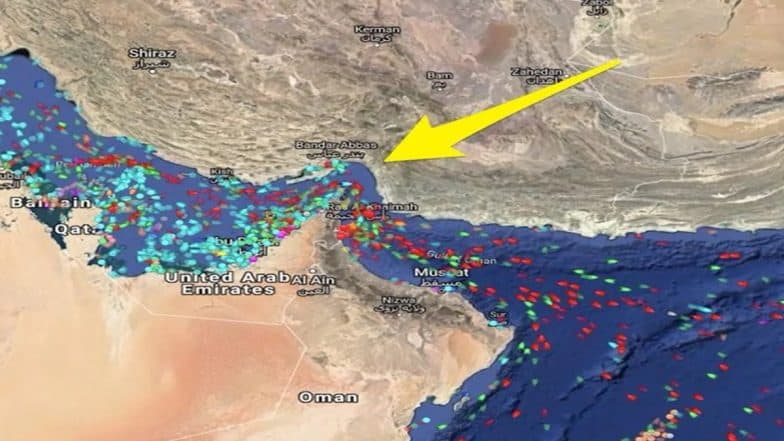
A key flashpoint is the Strait of Hormuz, a vital oil transit route, where restricted ship movement has tightened fuel supply. Jet fuel prices have jumped from about USD 85 to USD 90 per barrel to as high as USD 150 to USD 200 in recent weeks. With fuel making up nearly 25 per cent of airline operating costs, carriers are rapidly adjusting operations to manage mounting losses. Airline Seat Policy Rollback: Govt Suspends 60% Free Seat Selection on Flights After FIA and Akasa Air Raise Concerns.
Here’s How Major Airlines are Responding
Aegean Airlines
Suspended Middle East routes and rising fuel costs are expected to impact financial performance.
Air Canada
Reducing four daily flights to New York between June and October 2026.
Air France-KLM
Raising long-haul ticket prices by around 50 euros; KLM cancelling 160 European flights.
Air India
Introducing distance-based fuel surcharge on international routes.
Air New Zealand
Cutting flights in May and June while increasing fares.
Air Transat
Reducing capacity by 6 per cent between May and October, affecting Europe and Caribbean routes.
Akasa Air
Adding fuel surcharge between Rs 199 and Rs 1,300.
Alaska Airlines
Increasing baggage fees depending on route and number of bags.
American Airlines
Raising baggage fees, with hikes up to USD 150.
Asiana Airlines
Slashing 22 flights between April and July.
Cathay Pacific
Cancelling about 2 per cent of passenger flights; HK Express cutting around 6 per cent.
Delta Air Lines
Increasing checked baggage fees to offset rising costs.
EasyJet
Warning of deeper losses and likely ticket price hikes after fuel hedges expire.
Hong Kong Airlines
Raising fuel surcharges by up to 35 per cent.
IndiGo
Adding fuel charges across domestic and international routes; lobbying for tax cuts.
JetBlue Airways
Increasing fees for optional services, including baggage.
Lufthansa Group
Cancelling 20,000 flights and reducing short-haul capacity.
Nigerian Airlines
Threatened to suspend operations before government intervention averted shutdown.
Pakistan International Airlines
Increasing domestic fares by USD 20 and international fares by up to USD 100.
SAS
Cancelling 1,000 flights in April amid rising fuel costs.
Spring Airlines
Increasing domestic fuel surcharges.
SunExpress
Adding temporary 10-euro fuel surcharge on Turkey-Europe routes.
TAP Air Portugal
Implementing fare hikes to offset fuel expenses.
Thai Airways
Planning fare increases of 10 to 15 per cent.
United Airlines
Already implemented multiple fare hikes and increased baggage fees.
Vietnam Airlines
Cancelling 23 domestic flights weekly.
Vietjet
Adjusting flight frequencies on select routes.
Virgin Australia
Revising fares in response to cost pressures.
Volotea
Linking ticket prices to fuel costs, allowing post-booking surcharges.
WestJet
Cutting seat capacity and adding fuel surcharges on some bookings.
As airlines continue to grapple with volatile fuel markets, industry experts warn that passengers will bear the brunt through higher fares, additional fees, and fewer travel options.
(The above story first appeared on LatestLY on Apr 25, 2026 09:14 AM IST. For more news and updates on politics, world, sports, entertainment and lifestyle, log on to our website latestly.com).