Severe Weather Outbreak Threatens Central US With Tornadoes, Large Hail And Damaging Winds
A dangerous severe weather outbreak is unfolding across the Central US on March 5, 2026, with meteorologists warning of tornadoes, large hail and destructive winds as powerful storm systems move across the Plains and Midwest.

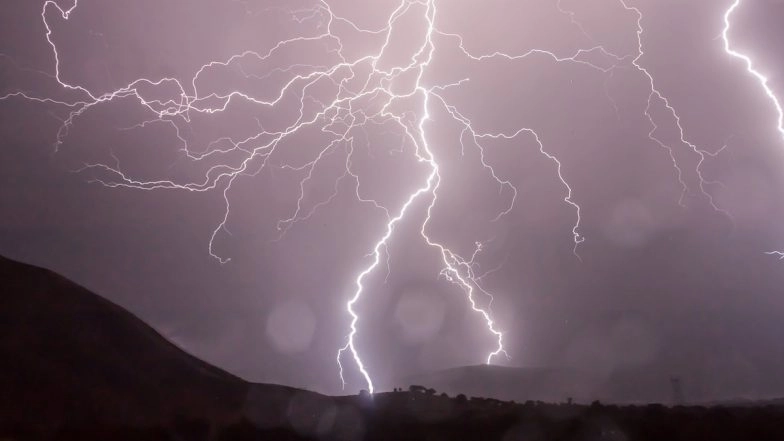
New Delhi, March 5: A dangerous severe weather outbreak is unfolding across the Central US on March 5, 2026, with meteorologists warning of tornadoes, large hail and destructive winds as powerful storm systems move across the Plains and Midwest. The active weather pattern began with storms on Wednesday that affected regions from North Texas to the Ohio Valley, and forecasters say atmospheric conditions are becoming increasingly unstable as the system intensifies heading into the end of the week.
According to forecasters, the threat zone is shifting westward on Thursday compared with earlier storms that mainly targeted the Mid-Mississippi Valley. Weather experts say the primary risk area now stretches across the western High Plains, including the Texas Panhandle, western Oklahoma and south-central Kansas. Storms are expected to form along a dryline, a boundary separating dry desert air from warm, moist air flowing north from the Gulf of Mexico. This setup can lead to powerful supercell thunderstorms capable of producing large hail and isolated tornadoes during the afternoon and evening hours. Winter Weather Advisory: Is the US Facing a Major Snowstorm?
Meteorologists are particularly concerned about Friday, March 6, which is expected to be the most intense day of the current weather pattern. Forecast models show a strong upper-level storm system emerging from the Rockies that could trigger widespread severe thunderstorms across Oklahoma, Kansas and Missouri. The Storm Prediction Center has already issued an Enhanced Risk (Level 3 of 5) for these regions, signaling a higher probability of severe storms. Winter Storm Warning in New York: Heavy Snow, Blizzard Conditions and Flash Freeze Threat Across State, Check Live Weather Updates and Forecast.
The storms expected on Friday could bring multiple hazards. Forecasters warn that a few strong tornadoes may develop, especially during the late afternoon and evening. In addition, large hail exceeding two inches in diameter is possible, along with damaging straight-line winds reaching 60 to 70 mph.
The overall weather system is expected to impact a vast region, with more than 60 million people in at least 20 states under some level of severe weather monitoring. While the most dangerous storms are forecast for the Plains, lower-level risks extend north into Wisconsin and east toward the Ohio River Valley.
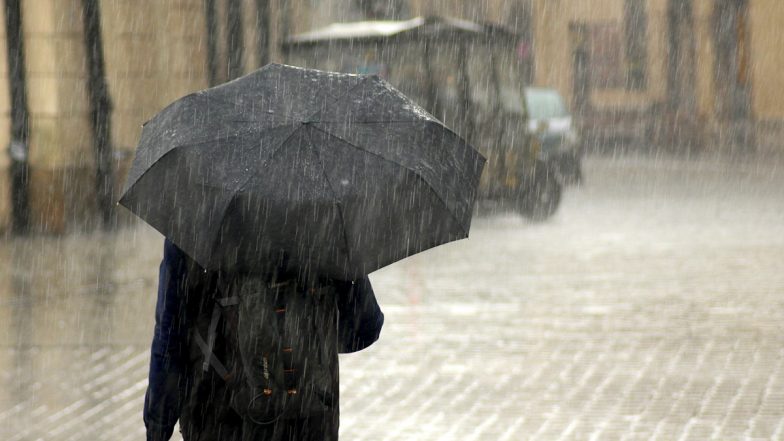
Heavy rainfall associated with the storms could also trigger localized flooding, particularly in low-lying areas or regions that have already received significant precipitation in recent days.
Meteorologists note that the outbreak comes shortly after the start of meteorological spring on March 1, a time when shifting air masses frequently create volatile weather across the central United States. The clash between lingering winter air and warm moisture from the Gulf often fuels powerful storm systems during March.
Emergency officials are urging residents in potentially affected areas to stay alert, monitor weather updates and prepare safety plans. Authorities recommend identifying the safest part of a home or building, keeping emergency alerts enabled on mobile devices and having multiple ways to receive warnings in case tornadoes develop.
(The above story first appeared on LatestLY on Mar 05, 2026 03:29 PM IST. For more news and updates on politics, world, sports, entertainment and lifestyle, log on to our website latestly.com).