Japan Flu Outbreak: Government Declares Epidemic As Asian Country Reports 4,030 Influenza Cases in 1 Week; Schools, Kindergartens and Childcare Centres Closed
Japan's health ministry has declared a nationwide influenza epidemic following a sharp and unprecedented rise in cases across the country. In the week starting September 22, 4,030 people were treated for the flu at designated medical institutions, marking a steep increase from the previous week.

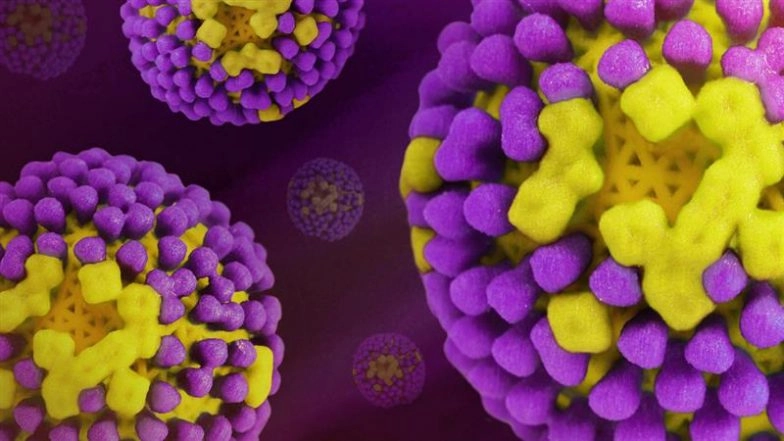
Tokyo, October 9: Japan's health ministry has declared a nationwide influenza epidemic following a sharp and unprecedented rise in cases across the country. In the week starting September 22, 4,030 people were treated for the flu at designated medical institutions, marking a steep increase from the previous week. The surge has overwhelmed hospital wards and prompted the closure of schools, kindergartens, and childcare centres in several prefectures. Okinawa, Tokyo, and Kagoshima have been among the worst-hit areas, while Yamagata saw a primary school close after 22 of its 36 students fell ill.
As per a report by the South China Morning Post, authorities warn that the early outbreak, arriving five weeks ahead of schedule, could signal a more severe flu season. Experts suggest that the influenza virus may be evolving more rapidly, spreading faster, and even developing resistance to conventional treatments, raising public health concerns. Professor Yoko Tsukamoto of Hokkaido University of Health Sciences highlighted that global patterns indicate similar trends in virus adaptation, exacerbated by post-pandemic travel and mass mobility. With the flu season expected to peak earlier than usual, let’s know more about the influenza outbreak and the precautions recommended to curb the spread of influenza in Japan. Japan Population Decline Continues for 16 Consecutive Years; Native Numbers Fall 908,000 in 2024, Biggest Drop Since 1968.
What is Influenza?
Influenza, commonly known as the flu, is a contagious respiratory illness caused by influenza viruses that infect the nose, throat, and sometimes the lungs. It spreads mainly through droplets when infected individuals cough, sneeze, or talk. Symptoms typically include fever, sore throat, body aches, fatigue, and cough, and in severe cases, it can lead to complications such as pneumonia. The flu tends to spread more easily in colder months and can affect people of all ages, especially those with weakened immune systems, children, and the elderly. What Is Tomato Flu? Viral Fever Grips Uttarakhand; Know About Causes, Symptoms, and Prevention.
Precautions Against Influenza
Health experts recommend several preventive measures to reduce the risk of infection. Annual vaccination remains the most effective way to prevent severe illness and complications. Maintaining good hygiene, such as washing hands frequently, wearing masks in crowded places, and covering one’s mouth while coughing or sneezing, can significantly curb transmission. People are also advised to avoid close contact with infected individuals and stay home if they develop symptoms. For travellers and residents in high-risk areas, keeping indoor spaces well-ventilated and boosting immunity through proper rest and nutrition can further help.
As Japan faces an early and intense influenza outbreak, health authorities emphasise the importance of timely vaccination and public awareness. With the flu virus showing signs of evolving more rapidly, experts warn that proactive measures are essential to prevent further spread. The government continues to monitor the situation, urging residents and tourists alike to remain vigilant and prioritise health safety during the peak flu season.
(The above story first appeared on LatestLY on Oct 09, 2025 08:33 PM IST. For more news and updates on politics, world, sports, entertainment and lifestyle, log on to our website latestly.com).