Pakistan Announces 4-Day Work Week and Remote Work Amid Global Fuel Crisis
Pakistan PM Shehbaz Sharif has announced a 4-day work week and 50 per cent remote work for Pakistan to combat a fuel crisis caused by the Iran-US-Israel conflict. Measures include a 50 per cent cut in govt fuel allotments, salary surrenders for officials, and a ban on luxury purchases. The move follows the closure of the Strait of Hormuz and soaring oil prices.fremofr

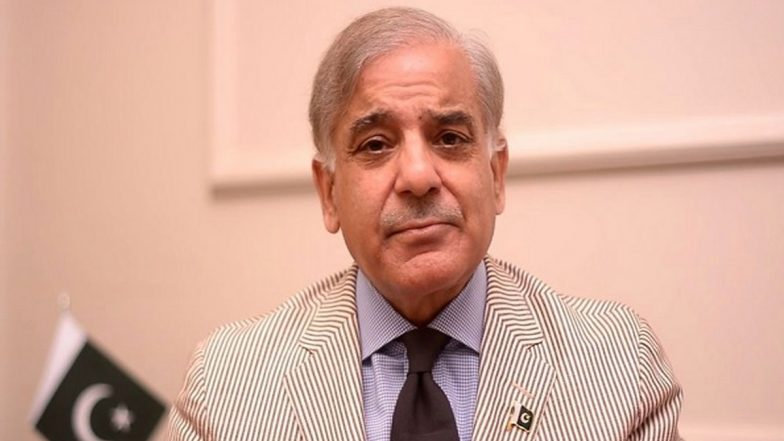
Mumbai, March 10: Pakistan Prime Minister Shehbaz Sharif has announced a sweeping set of austerity measures to safeguard Pakistan's economy as the conflict between the United States, Israel, and Iran severely disrupts global energy supplies. In a televised address to the nation on Monday, March 10, the Prime Minister introduced a mandatory four-day work week and ordered 50 per cent of the public and private sector workforce to transition to remote work to curb soaring fuel consumption.
The emergency measures follow a record hike in domestic petroleum prices, triggered by the effective closure of the Strait of Hormuz. With approximately 20 per cent of the world's oil passing through this narrow chokepoint, the ongoing naval blockade has pushed global crude prices above USD 100 per barrel, leaving import-dependent nations like Pakistan facing imminent shortages. Pakistan Hikes Petrol and Diesel Prices by PKR 55 Per Litre in Steepest Increase Ever Amid West Asia Conflict.
Workforce and Educational Shifts in Pakistan
To minimize the impact on the national exchequer, the government has mandated that half of all employees in both public and private sectors work from home. While the country moves to a condensed four-day working week, essential services - including banks and key industrial units - will remain exempt to prevent a total halt in economic activity.
Additionally, all schools nationwide will close for two weeks starting March 16, while higher education institutions have been instructed to shift immediately to an online-only format.
Drastic Cuts to Government Spending
The Prime Minister unveiled a series of internal cuts aimed at leading by example during the crisis:
- Vehicle Restrictions: Fuel allotments for government vehicles will be slashed by 50% for the next two months, with 60 per cent of the official fleet ordered off the roads entirely.
- Salary Surrenders: Cabinet ministers and advisors will forgo their salaries for two months, while Parliamentarians will see a 25 per cent pay cut. Senior government officials earning over Rs 300,000 per month are required to contribute two days'' salary as a one-time measure.
- Operational Bans: A strict ban has been placed on the purchase of luxury items, including new cars and air conditioning systems. Furthermore, all official state dinners, Iftar parties, and foreign travels for ministers have been suspended.
Geopolitical Context and Security
The Prime Minister's address comes at a time of immense regional instability. He expressed condolences over the death of Iran’s Supreme Leader, Ayatollah Ali Khamenei, who was killed in joint US-Israeli strikes on February 28. While Sharif condemned the military strikes on Muslim nations, he also highlighted that Pakistan continues to face heightened security threats on its western border. Oil Supply Crisis: Which Countries Will Run Out First if the Gulf War Halts Crude Exports? Should India Be Worried?
Shehbaz Sharif Vows to Protect the Consumer
Acknowledging the "difficult decision" to raise fuel prices by 55 rupees last week, Sharif promised to avoid further hikes if possible. He issued a stern warning to filling station owners against hoarding or illegal price manipulation, urging the nation's elite to support these austerity efforts to maintain the country's hard-won economic stability.
(The above story first appeared on LatestLY on Mar 10, 2026 08:29 PM IST. For more news and updates on politics, world, sports, entertainment and lifestyle, log on to our website latestly.com).