













 Quickly
 Socially
 Trending
 Crypto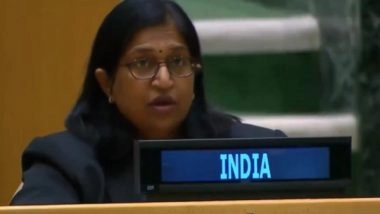
New York [US], August 28 (ANI): At a recent United Nations (UN) forum, India Ambassador Yojna Patel, Deputy Permanent Representative of India, reiterated the call for a more decisive and transparent approach to the reform of the Security Council, emphasizing the need for text-based negotiations to address long-standing issues.
Ambassador Patel expressed gratitude for the efforts by the co-chairs of the Intergovernmental Negotiations (IGN) process, particularly highlighting initiatives like the digital repository and webcasting that were introduced to enhance discussions. However, she noted that despite these initiatives, progress remains slow and falls short of expectations given the critical nature of the issue.
Central to India's position is the urgent need for text-based negotiations within the IGN framework. Patel pointed out that, unlike other multilateral processes, the discussions on UNSC reform have yet to adopt text-based negotiations, a practice crucial for substantive progress. This delay is increasingly problematic as global crises continue to challenge the effectiveness of the Council.
The Ambassador also criticized the Elements Paper, a document that summarizes input on UNSC reforms. She highlighted its shortcomings, including contradictory references and a lack of consensus on certain points. For instance, a reference to cross-regional groupings in the Convergences section of the Elements Paper was included despite the lack of consensus, which Patel described as misleading and counterproductive.
Furthermore, Patel addressed the issue of the upcoming Summit of the Future (SoTF) and its reliance on consensus for finalizing the "Pact for the Future." She argued that the current draft input from the IGN Co-Chairs does not reflect the broad agreement of member states, which could undermine the legitimacy of the final document.
In conclusion, India called for a shift towards a more constructive and urgent approach to UNSC reform. Patel stressed the need for a clear roadmap and adherence to the General Assembly's rules of procedure to ensure the credibility of the IGN process. She emphasized that without meaningful progress and a commitment to text-based negotiations, the reform process risks becoming a mere exercise in futility.
India remains committed to advocating for an expanded Security Council that reflects the current global realities and looks forward to working with other member states to advance these crucial reforms. (ANI)
(The above story is verified and authored by ANI staff, ANI is South Asia's leading multimedia news agency with over 100 bureaus in India, South Asia and across the globe. ANI brings the latest news on Politics and Current Affairs in India & around the World, Sports, Health, Fitness, Entertainment, & News. The views appearing in the above post do not reflect the opinions of LatestLY)
 Share Now
 Google Trends



 Live Bot