
India–Norway Trade Opportunities
As the world moves towards a greener and more sustainable future, India and Norway’s collaboration is poised to play a critical role in shaping global solutions.


India and Norway are forging a dynamic partnership centered on sustainability, innovation and economic growth. With shared ambitions in green technology and the blue economy, both nations are leveraging their strengths to address global challenges while unlocking new trade and investment opportunities. As the world moves towards a greener and more sustainable future, India and Norway’s collaboration is poised to play a critical role in shaping global solutions.
Norway’s expertise in renewable energy and marine technologies aligns perfectly with India’s growing emphasis on clean energy and sustainable practices. This partnership not only promises to enhance bilateral trade but also offers a platform for both nations to lead global discussions on environmental protection and sustainable economic growth. Additionally, the synergy between India’s expanding market and Norway’s technological innovations creates numerous avenues for mutual growth and investment.
In March 2024, India signed a landmark trade agreement with the European Free Trade Association (EFTA), comprising Norway, Iceland, Liechtenstein and Switzerland. This agreement commits to $100 billion in investments and aims to create 1 million direct jobs in India over the next 15 years. It encompasses trade in goods and services, investment promotion, intellectual property and sustainable development. As both India and the EFTA nations continue to cultivate an environment conducive to digital and economic growth, their collaboration opens up significant opportunities not only in traditional industries but also in emerging sectors like sports betting and online gaming. Norway, with its strong digital infrastructure, is witnessing the growth of online gaming platforms such as norskcasino.io as more individuals turn to the internet for entertainment and gaming experiences. The increasing popularity of online casinos in Norway reflects a broader global trend where digital innovation is reshaping industries and creating new business models.
This shift toward digital entertainment is sparking greater potential for cross-border partnerships, especially in the online gaming sector. For India, which is witnessing a boom in internet access and has a young, tech-driven population, the demand for online gaming platforms is growing rapidly. With a vast consumer base eager for new digital experiences, the collaboration between India and Norway in this space is poised to offer exciting prospects for both countries. As India’s digital landscape evolves, opportunities for Norwegian companies to tap into India’s expanding market in gaming are becoming increasingly viable, creating a dynamic exchange of technology, culture and business.
Norway’s Expertise Meets India’s Ambition
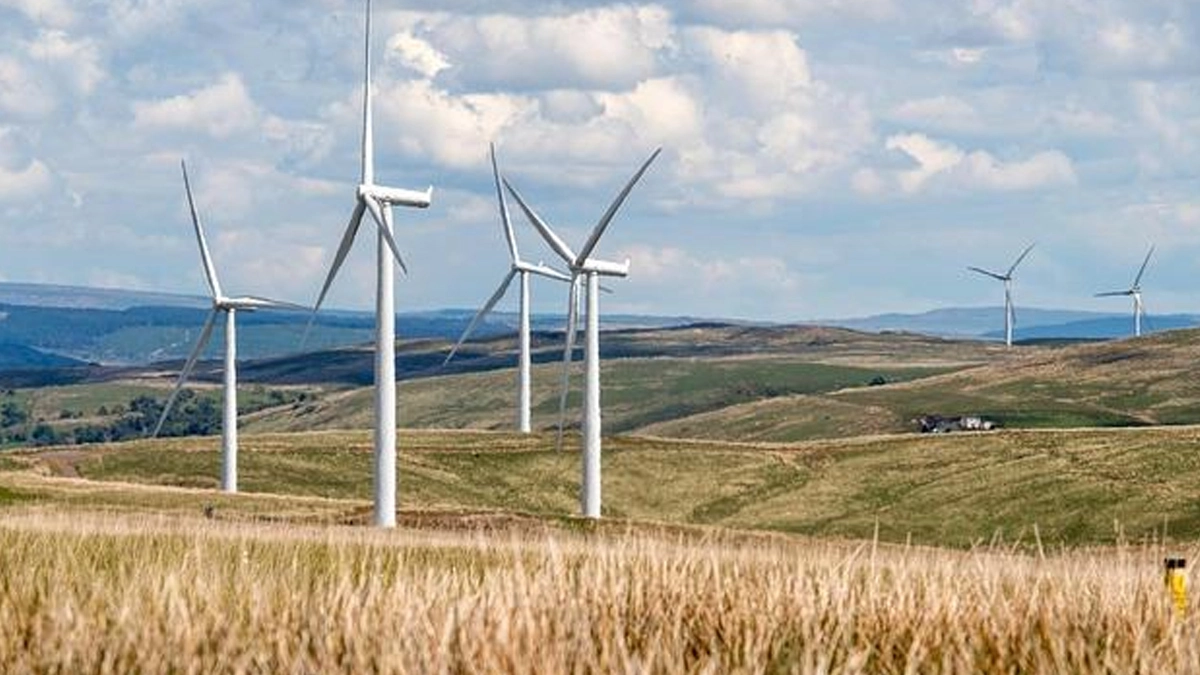
Norway is a global leader in renewable energy, particularly in hydropower and offshore wind. India, aiming for net-zero emissions by 2070, views Norway as a strategic partner in its green transition. Collaborations are underway in areas like green hydrogen, automotive sector, electric mobility and energy storage. Norway’s long-standing expertise in energy solutions aligns with India’s growing renewable energy needs, making this partnership highly valuable for both nations.
Norwegian technology is helping India meet its ambitious goals for sustainability, with several joint ventures already in progress. A key example of this collaboration is the construction of electric ferries at Kochi Shipyard in India, which are now operational in Norway, showcasing the successful exchange of technology and expertise.
Another noteworthy initiative involves the development of floating solar technology, where Norwegian companies have partnered with Indian firms to create cutting-edge renewable energy solutions. By leveraging India's vast water bodies, floating solar projects are expected to enhance renewable energy output while optimizing space in densely populated areas.
As both nations work toward a greener future, these collaborations are setting the stage for even more groundbreaking projects in the energy sector. Furthermore, the growing demand for clean energy solutions in India presents a vast market for Norwegian firms, solidifying the strategic importance of this bilateral relationship.
Sustainable Ocean Development
The India-Norway Ocean Dialogue, established through a Memorandum of Understanding, focuses on sustainable ocean resource management and develops collaboration between the two nations on critical issues related to ocean sustainability. This dialogue addresses various aspects of the blue economy, including fisheries, marine pollution control and maritime transport. By combining India's growing maritime sector with Norway's advanced expertise in sustainable practices, the two nations aim to create a more sustainable and efficient ocean economy.
Fisheries and aquaculture, a crucial part of both countries' economies, have been a major focus of collaboration. Norway’s advanced technologies in fisheries and aquaculture are helping India enhance its marine food production while ensuring that these practices remain environmentally responsible. Joint efforts are improving fish packaging, transportation and sustainable harvesting practices, ensuring that both nations can meet growing food demands without compromising ocean health.
Beyond this, Norway’s experience in combating marine pollution is being shared with India to help develop technologies and policies that reduce pollution in their respective maritime zones. As both countries face the challenge of overfishing and ocean degradation, these collaborations will be crucial in shaping long-term strategies to preserve marine resources. The exchange of knowledge on renewable energy from ocean sources, such as offshore wind, is also expected to provide new opportunities for collaboration in the coming years.

Economic Impact of Indo-Norwegian Trade
Between 2013 and 2023, trade between India and Norway grew by more than 200%, reflecting a robust expansion of bilateral economic relations. In 2023 alone, India’s exports to Norway totalled approximately 8.7 billion NOK (about USD 810 million), while imports from Norway stood at 4.5 billion NOK (around USD 420 million), according to Statistics Norway and India's Ministry of Commerce. This surge in trade highlights the deepening collaboration across a wide range of sectors including renewable energy, maritime services, IT and engineering. The growth also underscores how both countries are leveraging their respective strengths—India’s scale and skilled workforce and Norway’s technological expertise and sustainability leadership to drive long-term, mutually beneficial development.
The landmark EFTA trade agreement, signed in March 2024, is poised to take this partnership to the next level. Under this agreement, the EFTA has committed to investing $100 billion in India over the next 15 years. These investments are targeted toward various sectors. The expected economic outcomes of this agreement are substantial. According to India’s Ministry of Commerce and Industry, the deal could create over 1 million direct jobs in India, while also opening doors for Norwegian companies to expand into one of the world's fastest-growing major economies. For Norway, it strengthens access to a large and diverse market with growing demand for sustainable technologies and digital services.
Furthermore, this evolving trade partnership develops innovation, enhances knowledge sharing and promotes inclusive growth. As India and Norway continue to deepen their ties through investment, policy alignment and sectoral cooperation, the Indo-Norwegian relationship stands out as a compelling example of how international trade can be harnessed to drive both economic prosperity and environmental responsibility.

Future Prospects
The successful partnership between India and Norway has been shaped by influential figures from both countries. Piyush Goyal, India’s Commerce and Industry Minister, played a pivotal role in negotiating the landmark EFTA agreement, pushing for trade policies that align with India’s long-term economic and sustainability goals. On the Norwegian side, Jan Christian Vestre, then Trade and Industry Minister, was a key signatory to the agreement and a strong proponent of sustainable trade practices. His leadership underscored Norway’s commitment to green growth, setting the foundation for deeper bilateral cooperation.
Adding to these efforts, May-Elin Stener, the Norwegian Ambassador to India, has actively championed collaboration in renewable energy and maritime sectors. Through consistent diplomatic engagement, she has helped highlight Norway’s renewable energy leadership in India, paving the way for joint initiatives and technology exchange.
Looking ahead, the upcoming India-Nordic Summit in Oslo is expected to further strengthen partnerships in green technology and sustainable development. The summit will serve as a platform for high-level dialogue and new agreements focused on areas such as renewable energy, sustainable fisheries and clean mobility. Both India and Norway aim to co-develop innovative solutions that not only stimulate economic growth but also address pressing global challenges like climate change and resource scarcity.
With a growing global demand for sustainable technologies, India’s vast and evolving market presents an attractive opportunity for Nordic companies to scale their green innovations. The summit is also expected to encourage more bilateral investments and joint ventures, fostering cross-border collaboration and creating new business models and job opportunities in both regions.
As both nations continue to take leadership roles in climate action and sustainability, the India-Nordic Summit could become a landmark moment. It has the potential to position the India-Norway partnership as a global exemplar of how green technology, economic cooperation and diplomacy can converge to drive sustainable development in a changing world.
(All articles published here are Syndicated/Partnered/Sponsored feed, LatestLY Staff may not have modified or edited the content body. The views and facts appearing in the articles do not reflect the opinions of LatestLY, also LatestLY does not assume any responsibility or liability for the same.)


