Taste of Two Different Worlds: India and Norway
Food is more than just something we eat to stay alive; it shows us a country’s culture, history and way of life.

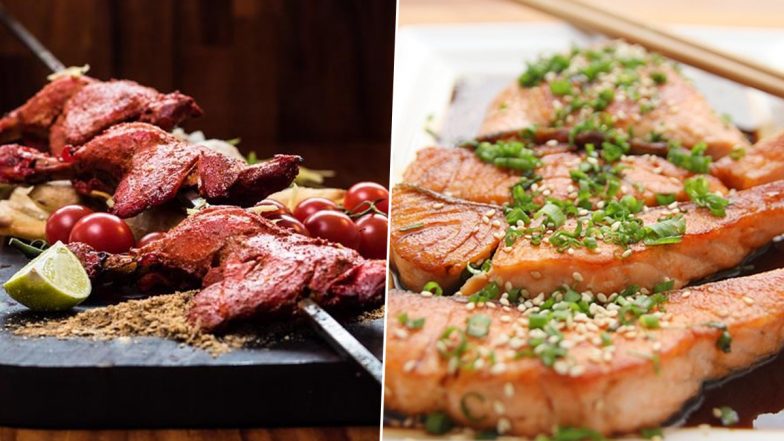
Food is more than just something we eat to stay alive; it shows us a country’s culture, history and way of life. India and Norway, though geographically distant and culturally distinct, offer culinary experiences that reflect their unique landscapes and traditions. From the vibrant, spice-laden thalis and bustling street food stalls of India to the serene fjords, fresh seafood and heart-shaped waffles of Norway, each country presents a feast for the senses.
While India’s cuisine is marked by a rich tapestry of spices, slow-cooked curries and age-old recipes passed down through generations, Norway's food is defined by simplicity, freshness and a deep connection to nature. The Indian dining experience often brings communities together in loud, joyful gatherings, while Norwegian meals tend to be intimate, with a strong emphasis on comfort and seasonal ingredients. These culinary traditions have been shaped by geography, religion and climate, creating flavors that are as diverse as the people who enjoy them. As globalization continues to bring different food cultures into contact, the fusion of Indian and Norwegian influences is gradually gaining popularity in contemporary kitchens.
With the advancement of technology, India’s food landscape has undergone a digital transformation. Platforms like Zomato and Swiggy have revolutionized food delivery, enabling people to enjoy their favorite meals from the comfort of their homes. At the same time, Norway’s leisure habits are also shifting, with online entertainment such as digital casinos growing in popularity. Sites like Nettcasino.com offer users a modern way to unwind with many now pair their favorite games with a cozy meal, whether it's a spicy Indian biryani or a plate of freshly cured Norwegian salmon. This merging of culinary pleasure with online gaming reflects a broader trend: dining and digital entertainment are increasingly intertwined, creating new, immersive lifestyle experiences where culture, convenience and enjoyment meet.
Indian and Norwegian cuisines hold distinct places in global food rankings, reflecting their unique flavors and cultural significance. Indian cuisine consistently ranks among the top 5 most popular cuisines worldwide, known for its rich spices, diverse vegetarian options and regional variety. In contrast, Norwegian cuisine, while less globally prominent, has gained attention for its focus on fresh seafood, traditional dishes like rakfisk and brunost and its contributions to the New Nordic food movement. According to various global food surveys and platforms like TasteAtlas, Indian food often scores high in popularity and flavors, while Norwegian cuisine is praised for its simplicity and clean ingredients.
Chicken Tikka Masala and Butter Chicken
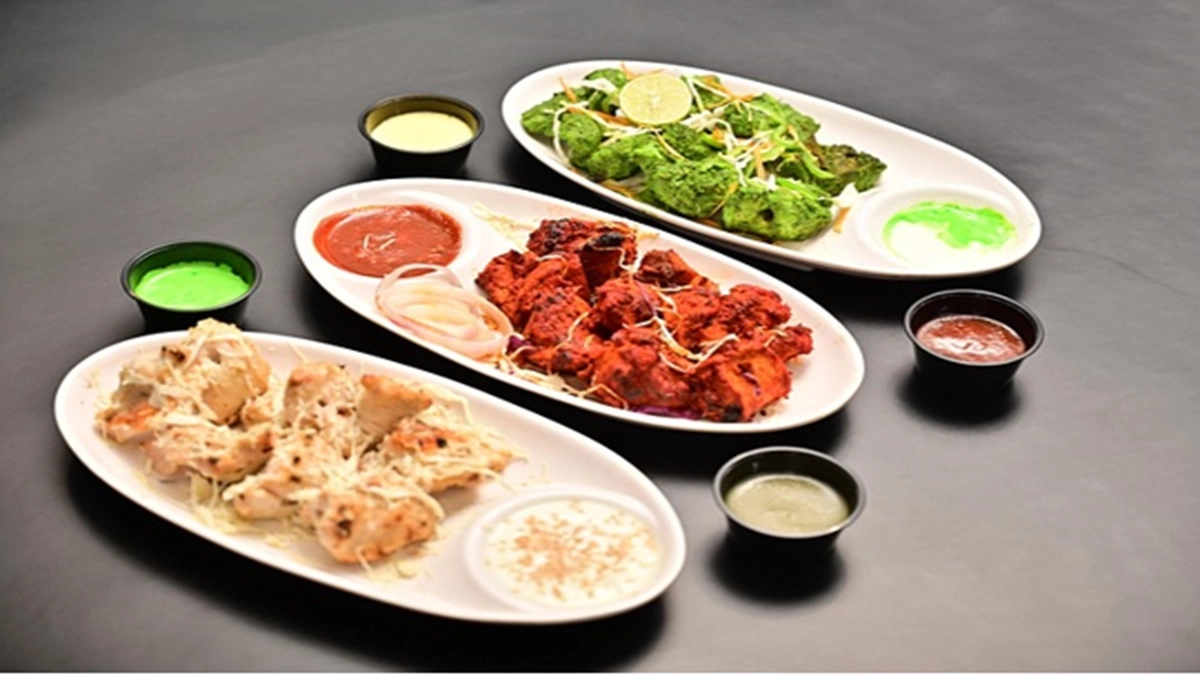
Chicken Tikka Masala and Butter Chicken are two of the most iconic dishes in Indian cuisine, celebrated for their rich, creamy tomato-based sauces and tender pieces of marinated chicken. While both dishes share similar ingredients, Chicken Tikka Masala is typically spicier and features grilled chicken chunks, whereas Butter Chicken, or "Murgh Makhani," is known for its slightly sweeter and more buttery flavour profile.
Chicken Tikka Masala has gained such immense popularity in the United Kingdom that it is often referred to as the country's unofficial national dish which shows the deep cultural exchange between India and the UK. Despite its Indian roots, the dish was reportedly created or adapted in Britain to suit local tastes, blending Indian cooking techniques with British preferences. Butter Chicken, on the other hand, originated in Moti Mahal, Delhi and remains a staple across Indian restaurants worldwide. Both dishes exemplify the global appeal of Indian cuisine, blending bold flavors with comforting textures.
Norwegian Seafood
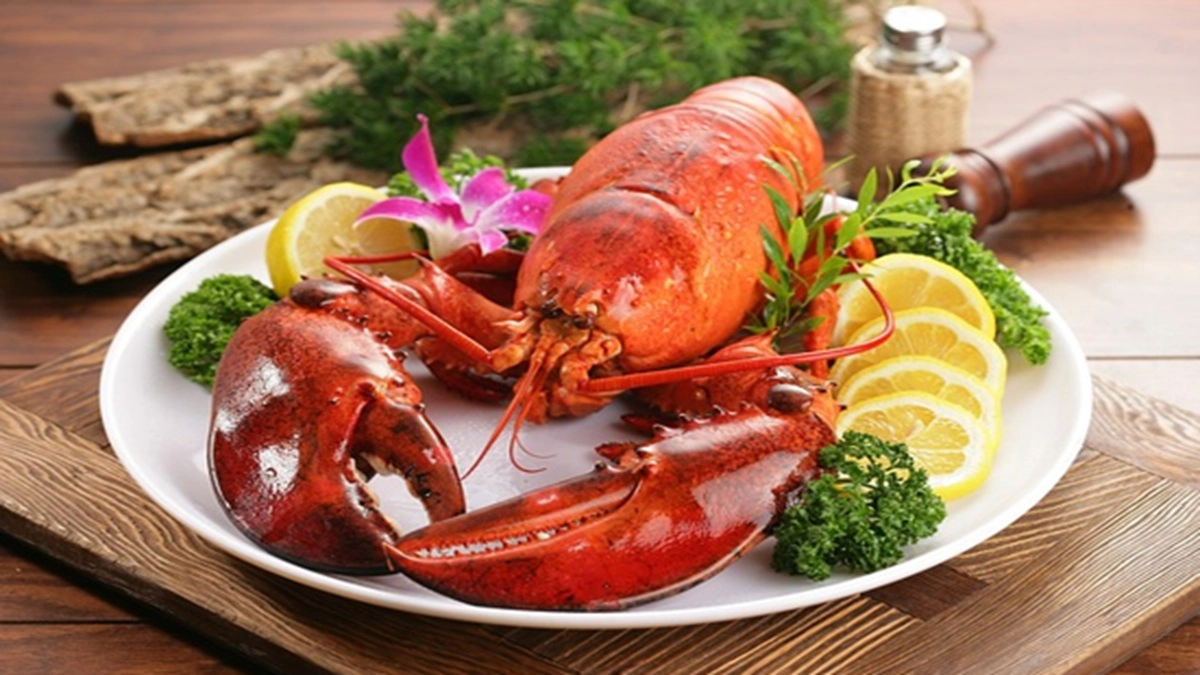
Norway's extensive coastline offers an abundance of seafood, making it a cornerstone of Norwegian cuisine. In 2023, Norway exported 1.2 million tonnes of salmon, valued at NOK 122.5 billion, accounting for 71% of the total value of all seafood exports. Dishes like rakfisk (fermented fish), klippfisk (dried cod) and sursild (pickled herring) are traditional favourites. These dishes are often enjoyed in coastal towns, where the sea's bounty is celebrated in local festivals and gatherings.
Modern Norwegian chefs have embraced innovation, blending age-old seafood traditions with global culinary techniques to appeal to both locals and international diners. Seafood is not only prized for its flavour but also for its health benefits, with omega-3-rich fish forming an essential part of the Nordic diet. Coastal communities often rely on seasonal catches, which ensures freshness and sustainability. In cities like Bergen and Ålesund, fish markets double as cultural hubs where visitors can sample freshly prepared seafood. As sustainability becomes a priority, Norway is positioning itself as a leader in responsible fishing practices and traceable seafood production.
The Indian Thali
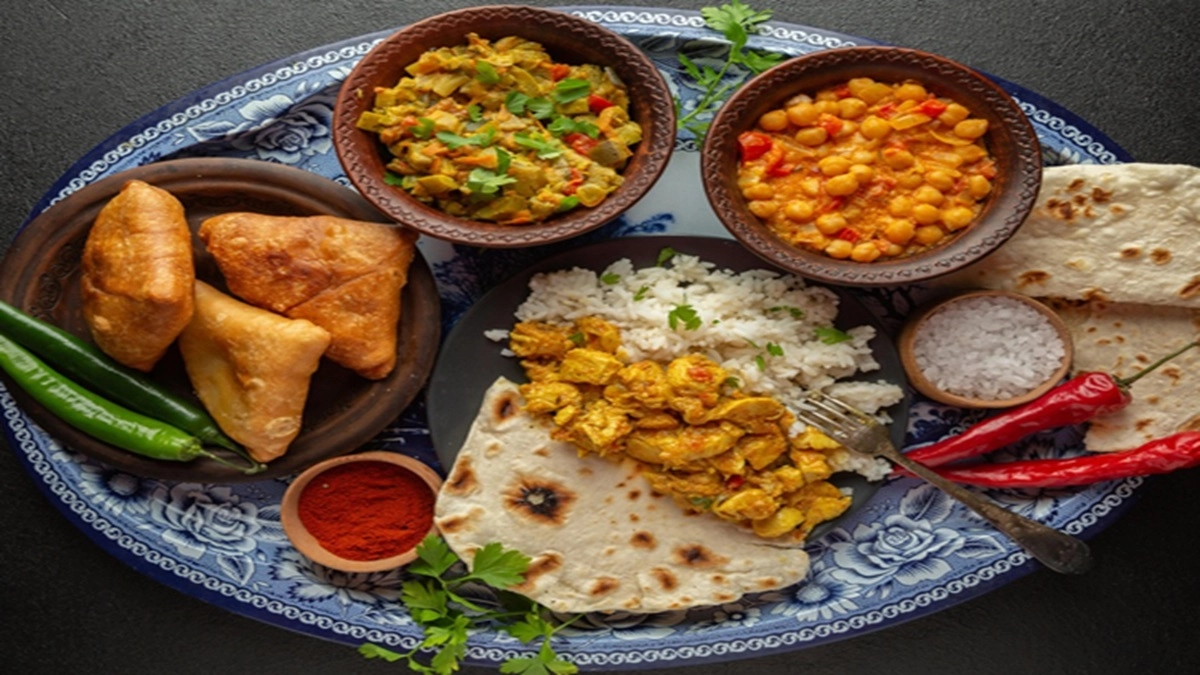
The Indian thali shows country's diverse culinary landscape. Typically comprising an array of dishes such as curries, lentils, rice, bread, pickles and desserts, a thali offers a balanced representation of flavours and textures. Each region in India brings its own unique touch to the thali. For instance, a North Indian thali might feature rich gravies like butter chicken, while a South Indian thali could include tangy sambar and crispy dosas. The thali is not just a meal but an experience, often enjoyed during leisurely family gatherings or festive occasions.
Beyond its variety, the thali also reflects Ayurvedic principles, aiming to balance the six essential tastes i.e. sweet, sour, salty, bitter, pungent and astringent within a single meal. Some thalis are served on banana leaves or metal platters, enhancing both tradition and presentation. In states like Gujarat and Rajasthan, thalis are vegetarian feasts, showcasing the ingenuity of plant-based cooking. The sheer abundance and generosity of a thali symbolize Indian hospitality and the cultural importance of sharing food. Whether in a rural household or a high-end restaurant, the Indian thali remains a culinary journey through the heart of the subcontinent.
Norwegian Waffles
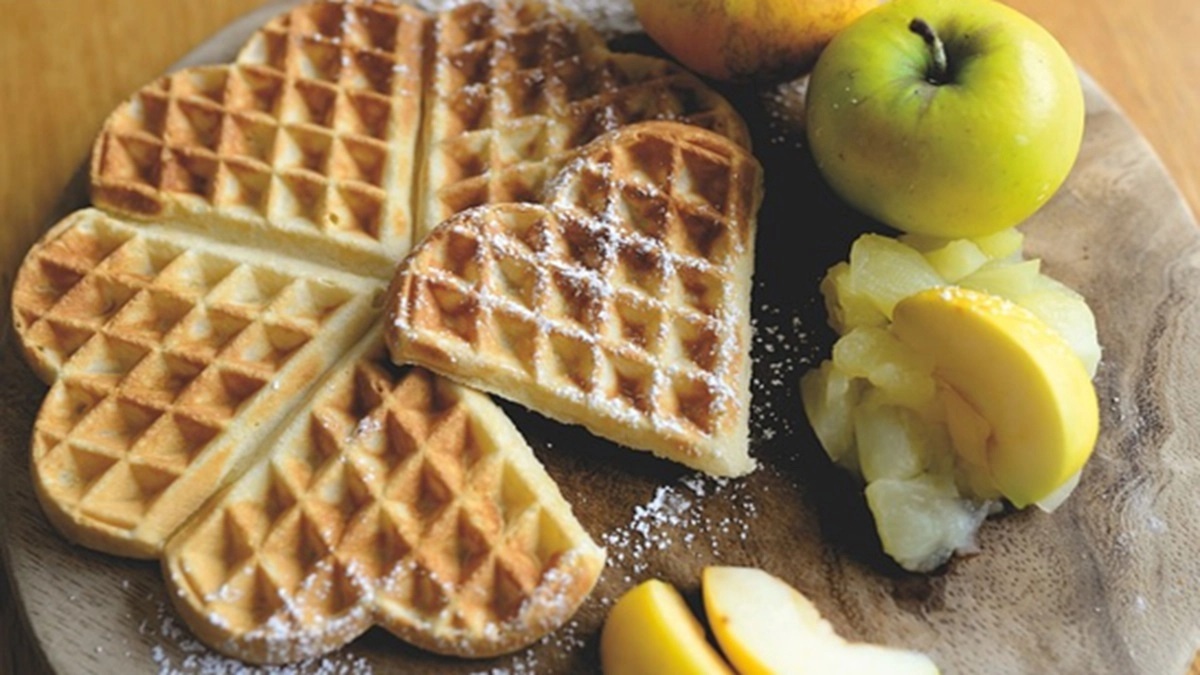
Norwegian waffles, or vafler, are a beloved part of the country's culinary heritage. Typically, heart-shaped and served with toppings like brown cheese (brunost), sour cream and jam, these waffles are a staple during social gatherings and holidays. The tradition of enjoying waffles is deeply ingrained in Norwegian culture, symbolizing warmth and hospitality. As noted by Life in Norway, the recipe for these waffles originates from the Norwegian Church in Copenhagen and has been voted the best in the world three times.
Unlike their thicker Belgian counterparts, Norwegian waffles are thinner, softer and often enjoyed as a light snack rather than a heavy dessert. They’re commonly served at cafés, in mountain cabins and even at roadside rest stops, making them a comforting presence in everyday Norwegian life. Many families have their own treasured recipes, passed down through generations and tied to cherished memories. Waffle Day (Vaffeldagen), celebrated on March 25th, shows its national importance. Whether paired with coffee during a cozy afternoon or offered to guests as a welcoming treat, vafler represent a sweet slice of Norwegian identity.
Indian Street Food
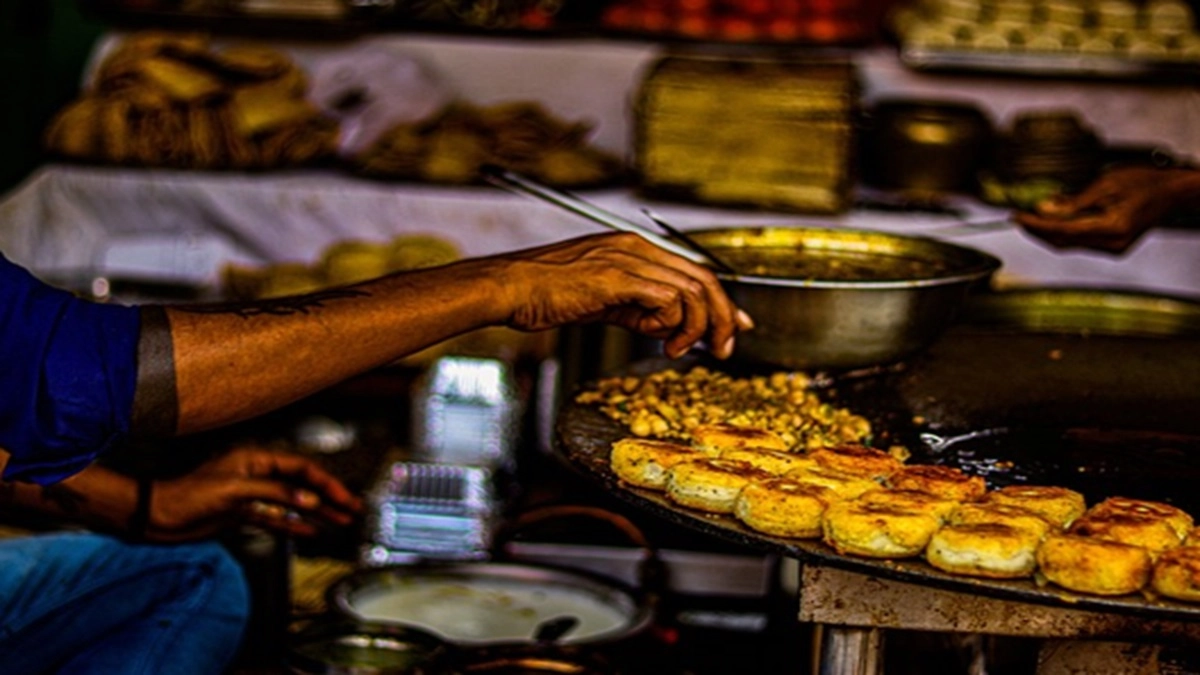
India's street food scene is a vibrant tapestry of flavours, colours and aromas. From the chaats of Delhi to the vadas of Chennai, each city boasts its own specialties. The rise of food tourism has spotlighted these street foods, with travelers eager to indulge in authentic local flavours. According to a report by Future Market Insights, India's culinary tourism market is projected to reach USD 58.6 billion by 2035, growing at a CAGR of 15.6%. This surge is driven by the global appeal of India's diverse cuisine and the growing interest in food-centric travel experiences.
Vendors often master recipes passed down through generations, creating signature dishes that become culinary landmarks in their own right. The affordability and accessibility of street food make it an integral part of daily life for millions of Indians. Hygiene standards have improved significantly in recent years, thanks to stricter regulations and increased consumer awareness. Iconic dishes like pani puri, pav bhaji and kathi rolls not only satisfy hunger but also offer insight into the region’s cultural and historical influences. For many, tasting street food is the quickest way to connect with the soul of an Indian city.
Reindeer Meat
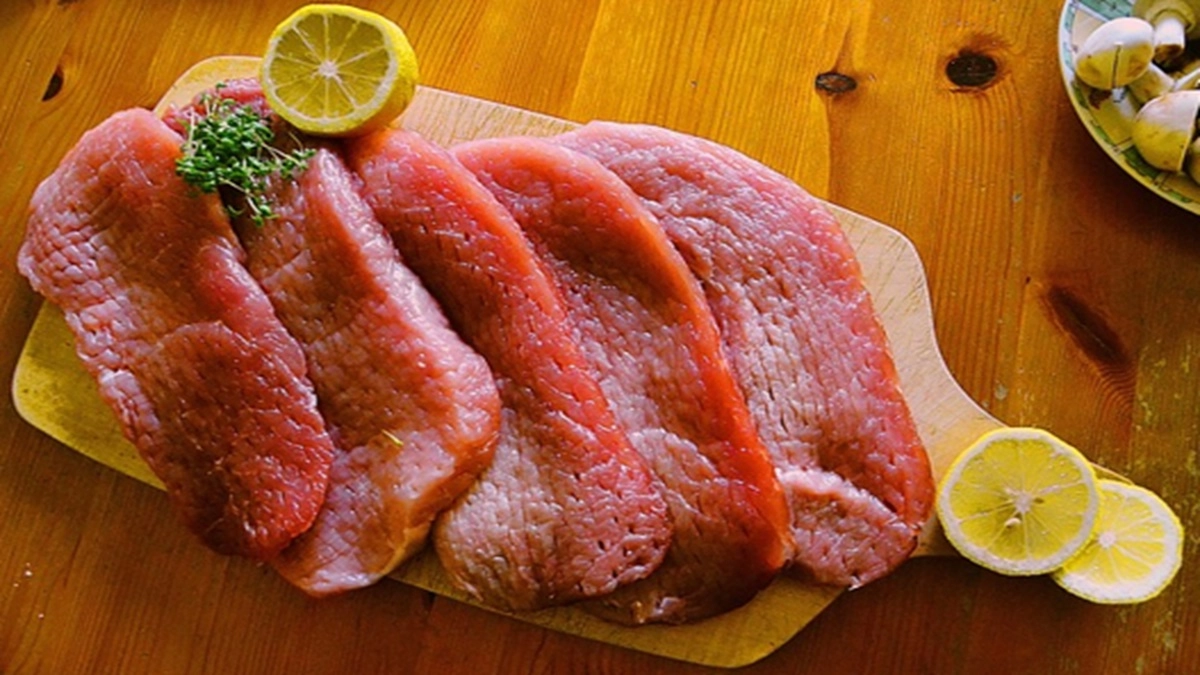
In the northern regions of Norway, reindeer meat is a delicacy with deep cultural roots. The Sami people, indigenous to the area, have been herding reindeer for centuries and the meat is central to their diet and traditions. In the 2023/2024 hunting season, approximately 126 metric tons of reindeer meat were harvested, contributing significantly to the local economy and culinary practices. Dishes like bidos (a hearty stew) showcase the rich flavours of this game meat, often enjoyed during communal meals and celebrations.
Reindeer meat is prized not only for its distinctive, slightly sweet taste but also for its lean, protein-rich nutritional profile. It is typically prepared using traditional methods such as slow-cooking or smoking, preserving its natural flavors and cultural authenticity. In recent years, gourmet restaurants across Norway have begun featuring reindeer on their menus, often pairing it with lingonberries or root vegetables for a modern twist. The sustainable herding practices of the Sami also highlight the deep respect for nature embedded in their way of life. For many Norwegians and visitors alike, tasting reindeer meat is both a culinary experience and a cultural journey into the Arctic north.
Culinary Contrasts
Indian cuisine revolves around a rich palette of spices, rice, lentils, vegetables and meats, creating meals that are often multi-course and diverse in texture and flavour. In contrast, Norwegian cuisine emphasizes simplicity with seafood, dairy products, game meats and root vegetables forming the core of its dishes which often highlights a single primary ingredient. Culturally, food in India serves as a symbol of hospitality and tradition, deeply embedded in religious and familial rituals. Meanwhile, Norwegian cuisine reflects a strong connection to nature and the changing seasons, celebrating what is locally available and sustainably sourced.
Popular culinary destinations in India include bustling cities like Delhi, Mumbai, Kolkata and Chennai, where street food scenes and regional specialties thrive. In Norway, food lovers are drawn to places like Bergen, Tromsø, and the Lofoten Islands, where fresh seafood and Arctic delicacies are on full display. Leisurely food experiences also differ: India is known for its vibrant food festivals, interactive cooking classes and immersive food tours, while Norway offers seafood festivals, culinary cruises and visits to charming local markets. These contrasting approaches to cuisine highlight how both nations celebrate food not just as sustenance, but as a meaningful expression of their unique identities.
Exploring the food trails of both nations provides a deeper understanding of their cultures and offers a sensory journey through flavours, aromas, and traditions. Whether savouring a spicy thali in an Indian market or enjoying fresh salmon by the Norwegian fjords, these culinary experiences are a testament to the rich gastronomic tapestries of both countries.
(All articles published here are Syndicated/Partnered/Sponsored feed, LatestLY Staff may not have modified or edited the content body. The views and facts appearing in the articles do not reflect the opinions of LatestLY, also LatestLY does not assume any responsibility or liability for the same.)