‘Haq’ Movie Review: Yami Gautam and Emraan Hashmi Lift a Heavy-Handed Courtroom Drama That Is Sneaky About Its Politics (LatestLY Exclusive)
Yami Gautam leads Haq, a courtroom drama inspired by the Shah Bano case, directed by Suparn S Varma. While the film tackles a landmark legal battle with good intentions, its heavy-handed writing, emotional excess, and politically cautious tone hold it back from making the impact its story deserves.

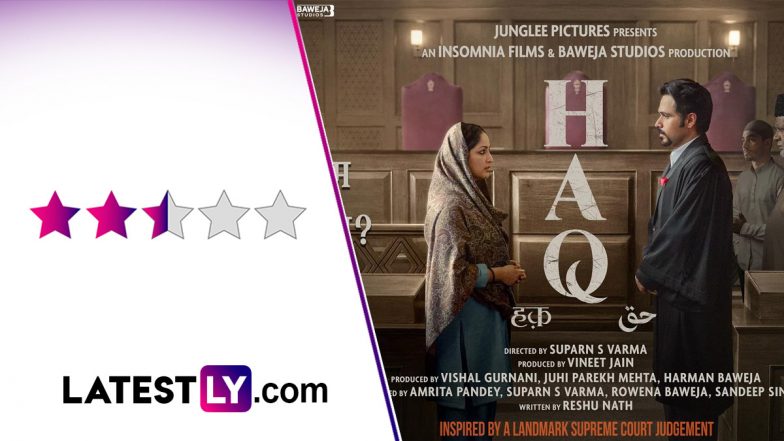
Haq Movie Review: Haq is based on the controversial yet landmark Mohd Ahmed Khan v Shah Bano Begum maintenance lawsuit and the 1985 Supreme Court judgment that triggered a major political storm. The aftermath of that ruling - the introduction of the Muslim Women (Protection of Rights on Divorce) Act, 1986 - remains one of the most debated decisions of the then Congress government. ‘HAQ Represents a Liberal Muslim POV’: Emraan Hashmi Explains Why Every Muslim Should Watch His Movie on Shah Bano Begum Case, Calls It a ‘Pro-Woman’ Film (Watch Video).
The film draws from the book Bano: Bharat Ki Beti, which fictionalises the events around the case, written by former journalist Jigna Vora, whose own life inspired the Netflix series Scoop. Interestingly, Harman Baweja, one of the actors in Scoop, is also a producer here.
'Haq' Movie Review - The Plot
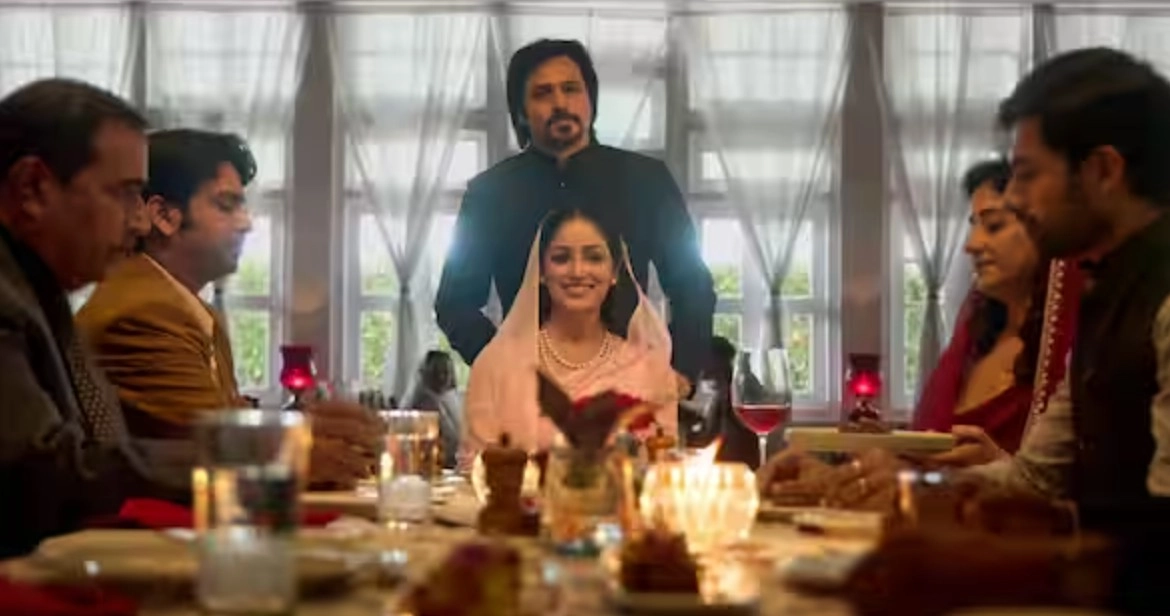
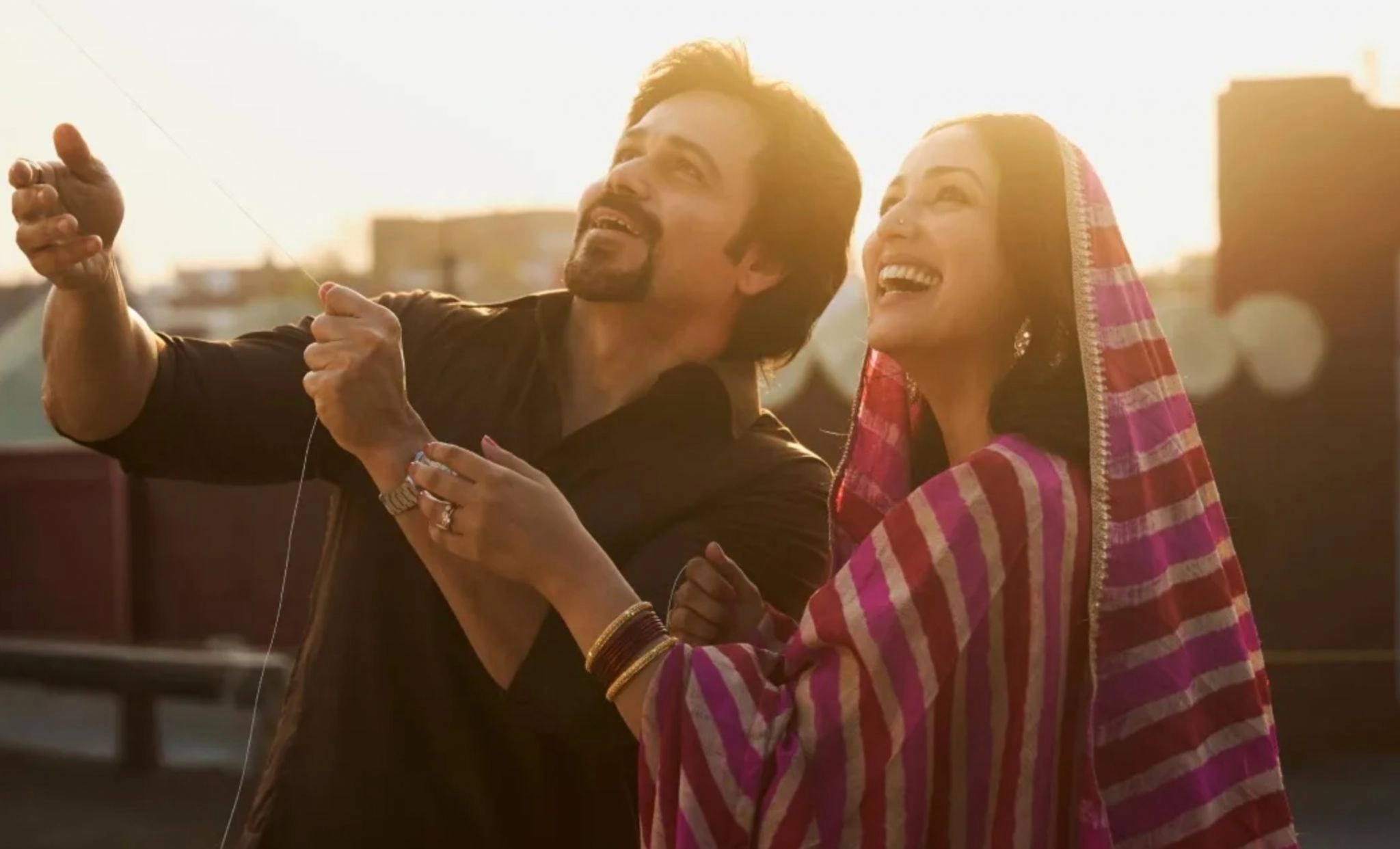
Haq follows Shazia Bano (Yami Gautam), daughter of a Muslim cleric who marries Abbas Khan (Emraan Hashmi), a suave and successful lawyer. The early years of their marriage are blissful, but when she’s pregnant with their third child, Abbas grows increasingly distant and abrasive.
Watch the Trailer of 'Haq':
One day, he leaves for Pakistan on the pretext of settling a property dispute, only to return three months later with a new bride, Saira (Vartika Singh). Shazia’s world shatters. Alienated and humiliated, she walks out with her children and soon finds herself locked in a legal battle for their maintenance after Abbas issues triple talaq to cut her off entirely.
'Haq' Movie Review - Political Trickiness
Presenting a film like Haq in today’s political climate, where Islamophobia is rampant, is a tricky endeavour — and so is reviewing it. On the surface, it’s a powerful story of a woman’s fight against misogyny upheld by religious dogma, and how her courage lights a path for other women trapped in similar oppression. But it’s also difficult not to question how a film tackling such a politically charged subject got such a smooth censor clearance, when other recent titles like Phule and Dhadak 2 faced cuts for much less.
The end credits acknowledge that a past government nearly nullified the Shah Bano judgment, but highlight how the current regime passed the Triple Talaq abolition law - an undeniably progressive move. Still, it’s hard to ignore the contradiction of celebrating women’s rights while that same establishment opposes women’s entry into certain temples like Sabarimala. Not to mention, the credits completely ignore the efforts of Bharatiya Muslim Mahila Andolan (BMMA), whose efforts in fighting for rights for Muslim women played a major part in triple talaq abolishment, as well as getting entry for women in the inner sanctum of Haji Ali dargah and presently fighting for abolishing polygamy.
The story of Shah Bano certainly deserves to be told on the big screen, to inspire more women to fight for their constitutional rights and equality.
Of course, the film takes creative liberties. Here, Shazia Bano is much younger than the real Shah Bano was during her legal fight. In Haq, she marries Abbas in 1967 and files her case in 1975. In reality, Shah Bano married in 1932 and filed for alimony in 1978 - at the age of 68.
'Haq' Movie Review - Melodramatic Storytelling Eclipsing Strong Story
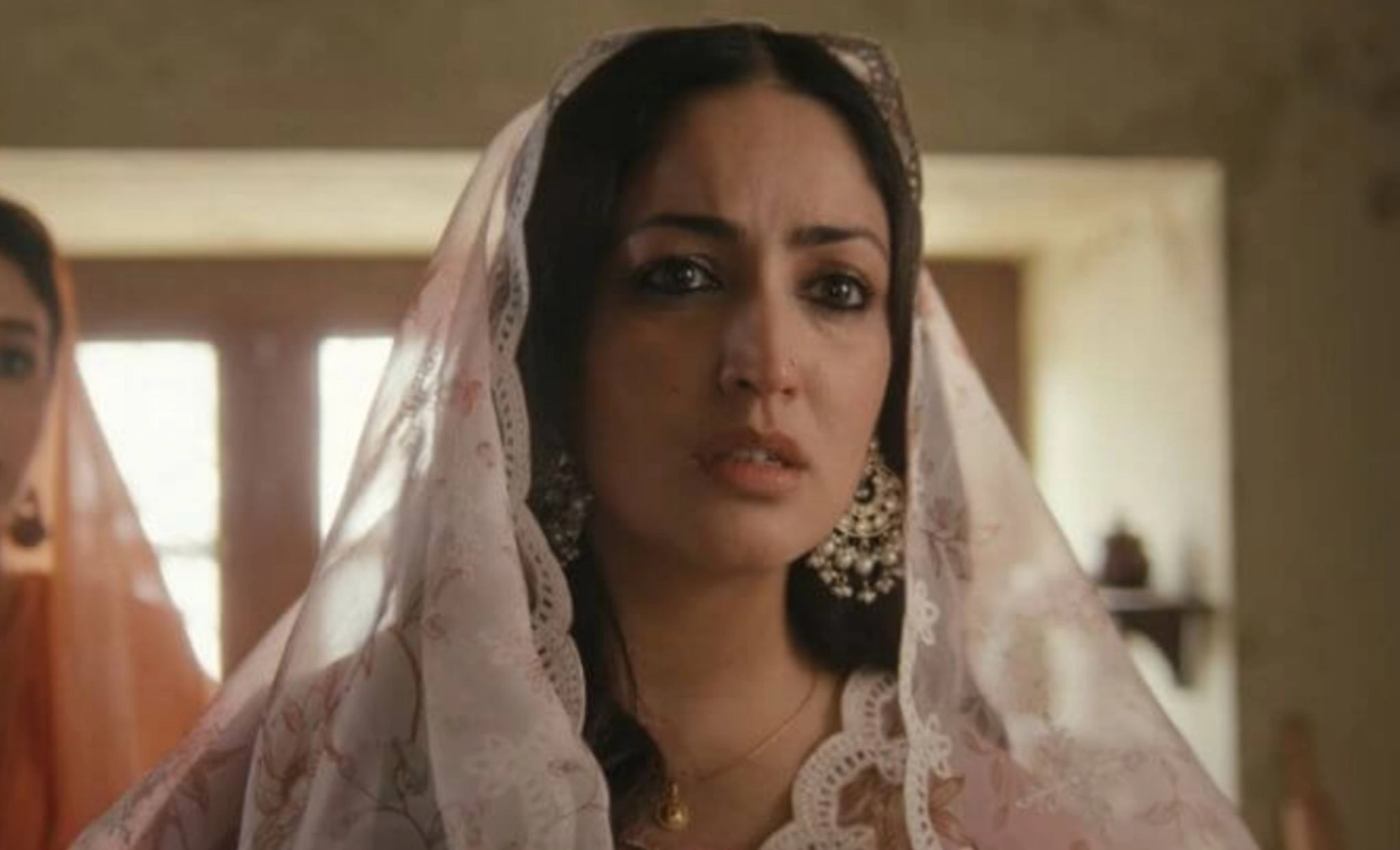
Fictionalisation aside, Haq tells its story in a sentimentally heightened manner — with dramatic music cues, tight closeups of Bano's anguished face, and plenty of tears and shouting matches. To be fair, this tone works for the first half, as we watch Shazia’s supposedly perfect marriage crumble. Abbas’ emotional manipulation, Shazia’s attempts to guilt the new wife (who drops a few truth bombs of her own), and the triple talaq scene all pack a fair amount of drama.
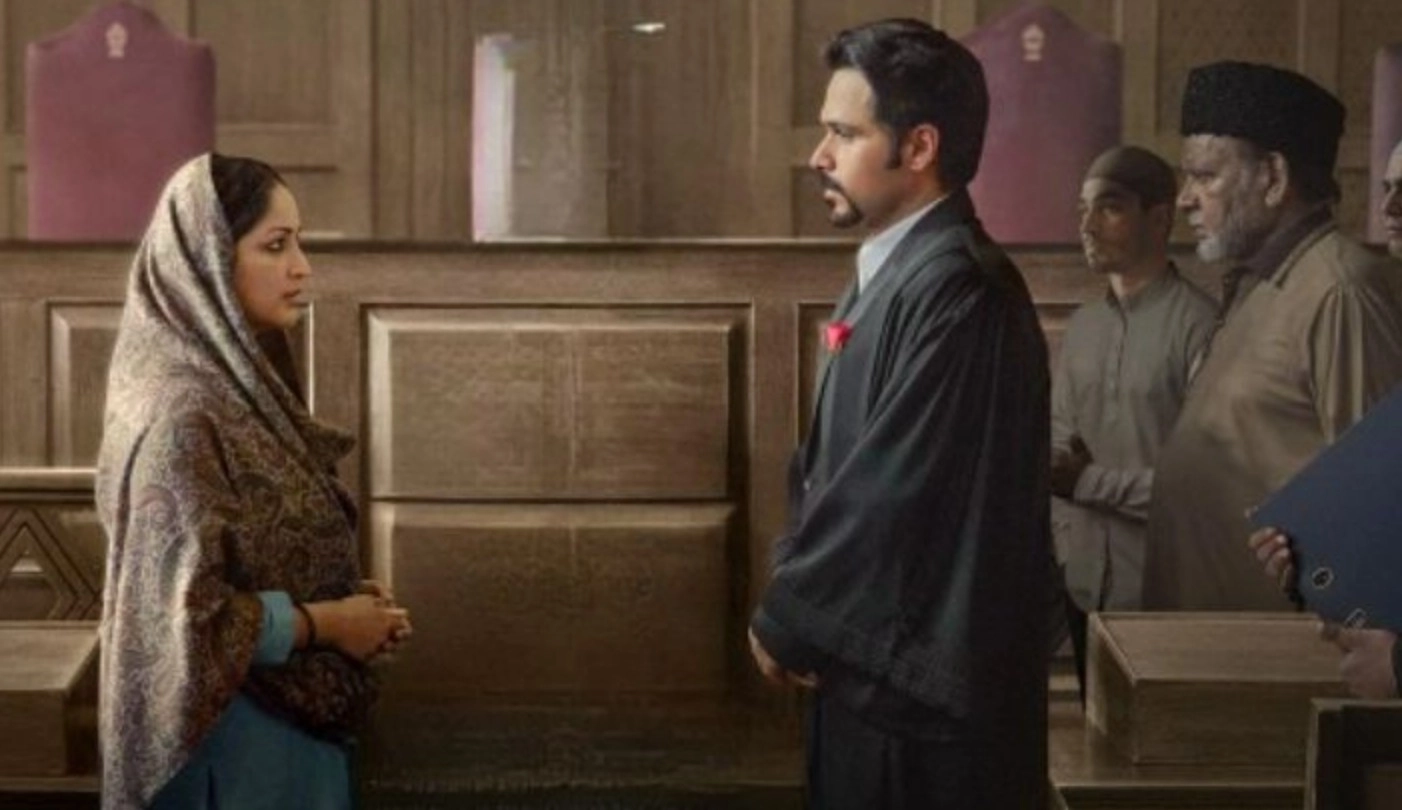
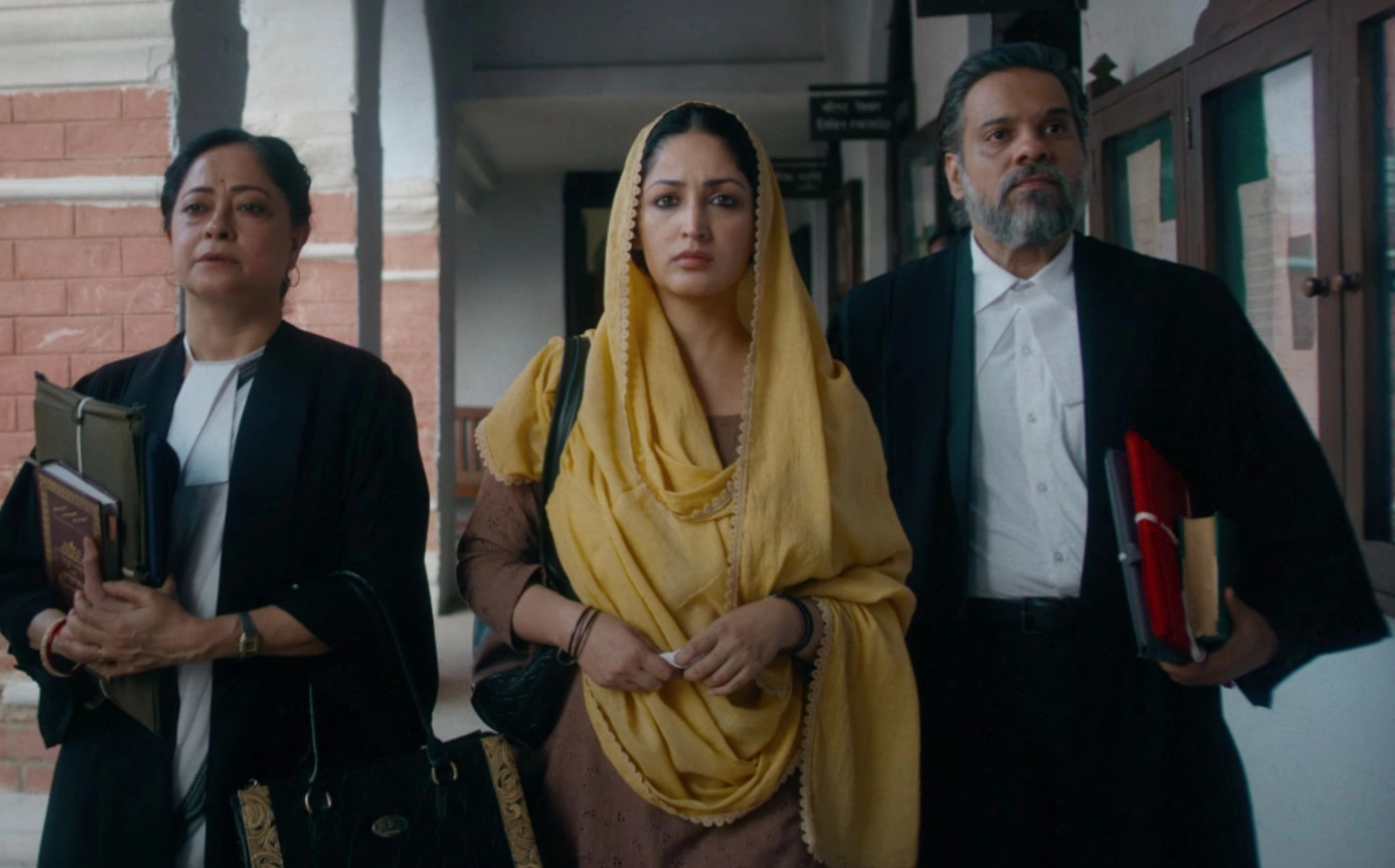
When the film finally enters the courtroom, I was curious to see how it would handle such a sensitive issue. But even here, the sentimentality spills over, turning what could have been a taut courtroom drama into a string of emotionally charged monologues. The big Supreme Court scene boils down to two grand speeches - one from Abbas, painting his community as victims, and another from Shazia, whose impassioned oration makes even her own lawyers, one of them played by the ever-reliable Sheeba Chaddha and the other a Muslim lawyer, played by Aseem Hattangady.
Much of the legal argument hinges on interpretations of the Quran and Shariyat - the Muslim personal law. There’s even a scene where Shazia schools a roomful of bearded men from the Waqf Board about what the Quran actually says. It’s a powerful moment, though it inadvertently reinforces the “good Muslim vs bad Muslim” trope that also extends to the main conflict where Abbas misuses religious law for his gain while Shazia represents the “true believer.”
Ironically, for a film that delves so deeply into Islamic jurisprudence, none of the core creative team - including writer Reshu Nath and director Suparn S. Varma - come from the community. 'Filmmakers Didn't Seek Family's Consent': Shah Bano's Daughter Moves MP High Court Seeking Stay on Release of Emraan Hashmi's Film HAQ.
The film takes aim at the sexist bias of the Waqf Board and even slips in a mention of the Uniform Civil Code (UCC) in its climax. Abbas’ courtroom argument invokes post-Partition Muslim victimhood, a thematic minefield that mirrors today’s political conversations - about UCC debates, Waqf Board controversies, and the majoritarian narrative of “Muslim victimhood.” It’s precisely this alignment with current talking points that makes Haq’s intentions feel… complicated.
'Haq' Movie Review - The Performances
Still, what anchors Haq are the performances. Yami Gautam has made a career out of sharp monologues in her recent films, and she’s excellent here - her eyes carrying both the quiet dignity and the suppressed rage of Shazia’s ordeal. She’s outstanding in two scenes in particular: the Waqf Board confrontation and her impassioned Supreme Court speech.
Emraan Hashmi is equally compelling in a grey-shaded role, though his character is inconsistently written. The film occasionally tries to soften Abbas - showing him attending a funeral or lamenting that his sons won’t speak to him - but those gestures don’t land, especially when the next scene has him back to being smug and unapologetic. Strangely, a few of his sexist one-liners even drew claps in my screening - not sure what to make of that.
The wonderful Danish Hussain is a standout as Shazia’s supportive father - his calm, grounded performance feels like it belongs to another, subtler film. Sheeba Chaddha is solid in the early courtroom scenes, though the impact of her role fades once the case moves to the Supreme Court.
'Haq' Movie Review - Final Thoughts
Haq had the potential to be a sharp, unsettling commentary on faith, patriarchy, and power (not restricted to one religion), but it chooses the safer path - indulging in the sentimental drama and spelling out its politics rather than interrogating them. For all its talk about courage and conviction, the film itself seems reluctant to take a firm stand on whether to choose religious diktats or to put the secular values of the Constitution above them. Yami Gautam’s powerful performance is the only thing that keeps this courtroom from collapsing under its own moral posturing.
(The opinions expressed in the above article are of the author and do not reflect the stand or position of LatestLY.)
(The above story first appeared on LatestLY on Nov 07, 2025 01:00 PM IST. For more news and updates on politics, world, sports, entertainment and lifestyle, log on to our website latestly.com).