‘Brain Dead’ Pilibhit Woman Breathes Again After Ambulance Hits Pothole? Doctors Explain What Really Happened
A woman in Uttar Pradesh’s Pilibhit, believed to be brain dead, reportedly began breathing again after the ambulance carrying her home hit a pothole. The viral incident sparked miracle claims, but neurologists say the case likely involved a reversible condition mistaken for brain death.

- Read in
- हिंदी
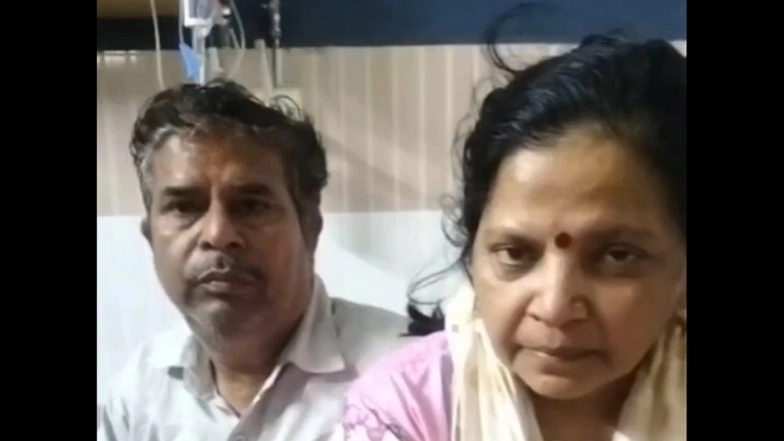
Pilibhit, March 11: A dramatic incident in Uttar Pradesh’s Pilibhit district has gone viral after a woman believed to be “brain dead” reportedly started breathing again while being taken home for last rites. The case, involving Vinita Shukla, has sparked widespread debate online, with many calling it a miracle. However, neurologists say the episode actually highlights a critical medical misunderstanding between brain death and deep coma.
According to family members, Shukla collapsed at home on February 22 and was first taken to a district hospital before being shifted to a private hospital in Bareilly. Doctors reportedly told the family her condition was extremely critical and that she showed no signs of movement. After two days of treatment with little improvement, relatives decided to take her home.
Woman Declared ‘Brain Dead’ Starts Breathing Again in Ambulance
In flesh and blood - the "brain-dead" woman who was brought back to life reportedly by a pothole jerk.
Visuals via @KrishnaTOIpic.twitter.com/ubNERMMAXd https://t.co/3FKE2Vi5yt
— Piyush Rai (@Benarasiyaa) March 11, 2026
During the ambulance journey back to Pilibhit, the family noticed that she had started breathing again after the vehicle reportedly hit a pothole. Instead of proceeding home, they rushed her to another hospital, where doctors admitted her and began treatment. Nearly two weeks later, Shukla recovered enough to be discharged. Bihar: Declared Dead, Man ‘Comes Back’ to Life 30 Minutes Later at Hospital (Watch Video).
The story quickly spread on social media with claims that a “brain-dead woman came back to life after an ambulance jolt.” Medical experts, however, say such an interpretation is highly unlikely.
Neurologists explain that brain death is a medically defined condition involving the complete and irreversible loss of all brain and brainstem function, including the brain’s breathing centre. Once brain death is formally confirmed through strict protocols, recovery is considered impossible. Beed: Declared ‘Dead’ at Hospital, Newborn Comes Back to Life and Starts Crying Moments Before Burial, Doctors Suspect Lazarus Syndrome Behind Rare Incident.
Doctor Explains What Really Happened
1️⃣ Can a brain-dead person suddenly start breathing again?
No.
True brain death is irreversible.
🔸It means complete and permanent loss of all brain and brainstem functions, including the breathing center.
🔸If a patient later starts breathing, they were not brain-dead.
🔸They…
— Dr Sudhir Kumar MD DM (@hyderabaddoctor) March 11, 2026
Doctors note that several conditions can mimic brain death, including drug overdose, severe metabolic imbalance, hypothermia, shock, or neurotoxic poisoning. These states can suppress breathing and reflexes, making patients appear unresponsive even though recovery is still possible.
In Shukla’s case, the treating doctor suspected a snake bite, which can cause temporary paralysis and breathing suppression. With proper treatment such as anti-snake venom, patients can gradually regain vital functions.
Experts also say the ambulance hitting a pothole likely had no direct role in reviving the patient. Instead, the timing may have coincided with the gradual recovery of brainstem functions as the underlying condition began to improve.
For Shukla and her family, however, the outcome feels nothing short of miraculous. Speaking from her home after recovery, she expressed gratitude, saying she was thankful to God and her family members for helping her survive the ordeal.
(The above story first appeared on LatestLY on Mar 11, 2026 03:17 PM IST. For more news and updates on politics, world, sports, entertainment and lifestyle, log on to our website latestly.com).