Lenskart Row: CEO Peyush Bansal Issues 2nd Clarification, Confirms Restrictive Religious Symbol Guidelines Were Removed on February 17
Lenskart CEO Peyush Bansal has clarified that a controversial manual prohibiting bindi and tilak was an outdated training draft, not an official policy. He confirmed the specific restrictions were removed on 17 February 2026, and took full responsibility for the administrative lapse. While the company maintains it has no restrictions on religious expression.

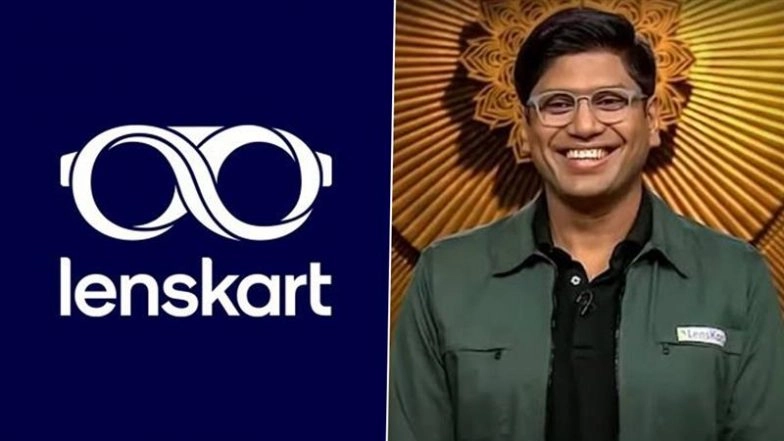
Lenskart founder and Chief Executive Peyush Bansal has issued a secondary, more detailed clarification regarding a controversial internal document that appeared to restrict Hindu religious symbols. In a statement released on X, Mr Bansal identified the viral material as an "outdated internal training manual" and confirmed that the specific guidelines prohibiting items such as bindi, tilak, and kalawa threads were formally removed on 17 February 2026.
The controversy stems from a manual dated 2 February 2026, which gained significant traction online after users pointed out that it prohibited several Hindu symbols while explicitly permitting hijabs and turbans. Mr Bansal has now clarified that the document was never an official HR policy and was corrected well before the current public backlash began. Lenskart Style Guide Controversy: CEO Peyush Bansal Faces Backlash Over Restrictions on Bindi and Tilak, Issues Clarification.
Peyush Bansal 2nd Clarification on Lenskart Style Guide Controversy
I have listened to your concerns and I understand your sentiment around this. I want to add more context to my earlier post.
The document currently circulating is an outdated internal training document. It is not an HR policy.
That said, it contained an incorrect line about…
— Peyush Bansal (@peyushbansal) April 16, 2026
Internal Manual vs Official HR Policy
In his latest statement, Mr Bansal took personal responsibility for the oversight, stating that as Founder and CEO, the accountability for such internal lapses rests with him. He clarified that the problematic line—which also restricted visible sindoor—was part of a draft training manual that did not align with the company's broader values or official employment contracts.
Lenskart has reiterated that it maintains no restrictions on any form of respectful religious expression. The company noted that its workforce across Bharat consists of thousands of team members who display their faith and culture daily while serving customers at over 1,000 stores nationwide.
Timeline of Corrections and Public Backlash
The original document sparked a significant social media movement, with many consumers questioning the brand’s inclusivity and some calling for a boycott. Critics argued that a company built in India should not have internal guidelines that treat different religious symbols with varying levels of permissiveness.
Mr Bansal addressed these concerns by thanking those who brought the issue to light, suggesting that public feedback helps the company remain grounded in its Indian identity. By revealing that the internal manual was corrected on 17 February, the company aims to demonstrate that the change was an intended administrative fix rather than a reactive measure to the viral post.
Company Culture and Future Transparency
Despite the verbal and social media clarifications, some observers have noted that an updated, official version of the policy document has not yet been publicly released. This has led to mixed reactions; while many have welcomed the transparency and the CEO’s willingness to take responsibility, others continue to call for documented proof of the revised guidelines to ensure long-term consistency.TCS Nashik Case: Tata Sons Launches Group-Wide Workplace Conduct Review, Says Report.
The incident underscores the challenges large consumer-facing brands face in maintaining consistent internal messaging across a vast network of stores. For Lenskart, the focus now remains on internal communication to ensure that training materials at every level reflect the "built in Bharat" ethos champion by its leadership.
(The above story first appeared on LatestLY on Apr 16, 2026 12:12 PM IST. For more news and updates on politics, world, sports, entertainment and lifestyle, log on to our website latestly.com).