No More Petrol 2-Wheelers in Delhi by 2028? Here’s What EV Draft Policy 2026-2030 Says
Delhi’s draft EV Policy 2026-2030 proposes phased restrictions on petrol vehicles, with only electric three-wheelers allowed from 2027 and two-wheelers from 2028. The plan includes incentives, scrapping benefits, and expanded charging infrastructure to cut pollution. The policy is open for public feedback before final approval.

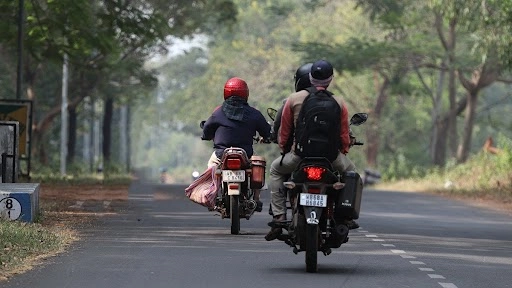
The Delhi Transport Department has released its draft Electric Vehicle (EV) Policy for 2026-2030, proposing a phased transition away from petrol-powered vehicles, expanded incentives, and stricter rules for fleets. The policy has been opened for 30 days of public feedback before finalisation.
The draft outlines a roadmap to reduce vehicular emissions, a major contributor to air pollution in Delhi, particularly during winter months. It combines regulatory measures, financial incentives, and infrastructure expansion to accelerate EV adoption. Delhi Govt To Impound And Scrap Overaged Vehicles, Know How to Save Your End-of-Life Vehicle.
Delhi EV Draft Policy 2026-2030: Phased Ban on Petrol Vehicles
The policy sets clear timelines for restricting internal combustion engine vehicles in key segments.
From January 1, 2027, only electric three-wheelers will be eligible for new registrations. This will be followed by a transition in the two-wheeler segment, with only electric models allowed from April 1, 2028. These measures aim to gradually reduce the number of petrol and diesel vehicles on city roads. Green Tax Hiked in Maharashtra: Govt Doubles Charges on Older Vehicles to Combat Rising Air Pollution Under New Law.
Legal Backing and Pollution Targets
The draft policy is supported by provisions under Article 21 of the Constitution, the Environment Protection Act, 1986, and the Motor Vehicles Act, 1988. It also aligns with directives from the MC Mehta case.
Data from the Commission for Air Quality Management indicates that vehicles contribute around 23% of winter pollution in the Delhi-NCR region. Two-wheelers, which account for nearly 67% of total vehicles, are a key focus for electrification.
Incentives for Buyers and Scrapping Benefits
To support adoption, the policy proposes direct benefit incentives for EV buyers. Electric two-wheelers priced up to INR 2.25 lakh will receive incentives starting at INR 10,000 per kWh, capped at INR 30,000 in the first year. Electric three-wheelers will get INR 50,000 in the first year, with benefits reducing over time. Goods vehicles in the N1 category will receive INR 1 lakh initially.
Scrapping incentives are also included. Owners of older BS-IV or earlier vehicles can receive up to INR 1 lakh for cars and INR 10,000-INR 50,000 for other categories if they switch to EVs within six months.
Additionally, the policy offers 100% exemption on road tax and registration fees for EVs priced up to INR 30 lakh.
Charging Infrastructure Expansion
The policy proposes a significant expansion of charging infrastructure, with Delhi Transco Limited designated as the nodal agency. Plans include a single-window clearance system and mandatory charging points at vehicle dealerships. Funding support will also come from central schemes such as PM E-DRIVE.
Fleet and Government Transition Targets
From January 1, 2026, ride aggregators will not be allowed to add new petrol or diesel vehicles to their fleets. Government departments will also be required to procure only electric vehicles for new purchases.
Targets have been set for school bus electrification, aiming for 30% electric buses by March 2030.
Battery Management and Policy Implementation
The draft emphasises compliance with Battery Waste Management Rules, 2022, including plans for collection centres and battery tracking systems under public-private partnerships.
An EV Fund will be created to support implementation, with oversight by an apex committee led by the Transport Minister. The policy is expected to remain in force until March 31, 2030, once notified.
(The above story first appeared on LatestLY on Apr 11, 2026 12:36 PM IST. For more news and updates on politics, world, sports, entertainment and lifestyle, log on to our website latestly.com).