Mahashivratri 2026: Date, Shubh Muhurat and Nishita Kaal Puja Timings
On February 15, millions of devotees will observe Mahashivratri 2026, a cornerstone of the Hindu liturgical calendar. This festival occurs on the Chaturdashi Tithi of the Krishna Paksha in the month of Phalguna. While monthly Shivratris occur throughout the year, this annual occurrence is considered the most spiritually potent due to the unique alignment of planetary energies.

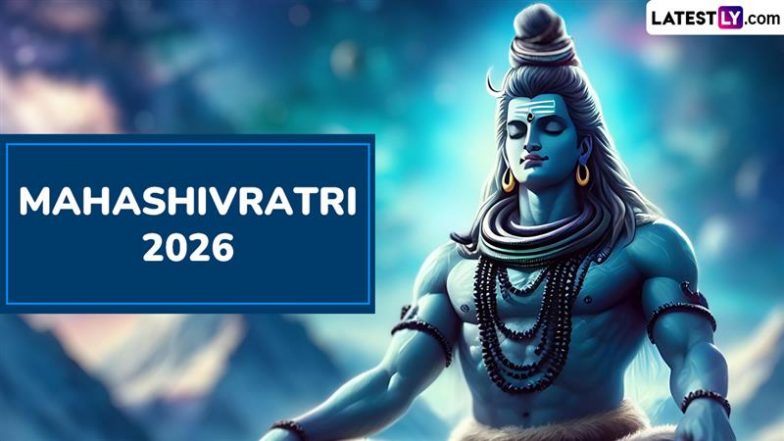
Mumbai, January 28: Millions of devotees across the globe are preparing to observe Mahashivratri (Maha Shivratri), one of the most significant festivals in the Hindu calendar, on Sunday, February 15, 2026. Often referred to as "The Great Night of Shiva," the festival falls on the Chaturdashi Tithi of the Krishna Paksha in the month of Phalguna. This year’s observance is marked by a specific alignment of the Shravan Nakshatra, which practitioners believe enhances the spiritual potency of the night-long prayers and meditations dedicated to Lord Shiva.
Mahashivratri 2026: Date, Shubh Muhurat and Puja Timings
According to the Hindu Panchang, the timing of the Chaturdashi Tithi is crucial for performing the rituals. While the tithi begins on the evening of February 15, the most sacred rituals are traditionally performed during the Nishita Kaal (midnight) and throughout the four quarters of the night (Prahars).
Key Timings for February 15-16, 2026:
- Chaturdashi Tithi Begins: 05:04 PM on February 15
- Chaturdashi Tithi Ends: 05:34 PM on February 16
- Nishita Kaal Puja: 12:09 AM to 01:01 AM (February 16)
- Shivratri Parana (Fast Breaking): 06:59 AM to 03:24 PM (February 16)
For those performing the Four Prahar Puja, the schedule is as follows:
- 1st Prahar: 06:11 PM to 09:23 PM
- 2nd Prahar: 09:23 PM to 12:35 AM
- 3rd Prahar: 12:35 AM to 03:47 AM
- 4th Prahar: 03:47 AM to 06:59 AM
Maha Shivratri History and Mythology
The origins of Mahashivratri are rooted in several ancient legends found in the Puranas. One of the most prominent traditions celebrates this day as the divine marriage of Lord Shiva and Goddess Parvati, symbolizing the union of consciousness and energy.
Another legend refers to the Samudra Manthan (churning of the ocean), during which a deadly poison emerged that threatened to destroy the universe. Lord Shiva consumed the poison to protect creation, holding it in his throat, which turned blue, earning him the name Neelkanth. Devotees observe the night to express gratitude for this protection.
Mahashivratri Rituals and Traditions
Mahashivratri is distinct from other festivals due to its emphasis on introspection and discipline over outward celebration.
- Fasting (Vrat): Devotees typically observe a full-day fast, either consuming only fruits and milk (Phalahar) or abstaining from water entirely (Nirjala).
- Abhishekam: The ritual bathing of the Shiva Lingam is performed using water, milk, honey, curd, and ghee.
- Offerings: Sacred items like Bel Patra (wood apple leaves), Dhatura flowers, and Vibhuti (sacred ash) are offered to the deity.
- Jagran: Many stay awake throughout the night, engaging in Kirtans, chanting the Panchakshari Mantra ("Om Namah Shivaya"), or meditating to maintain a vertical spine, a practice said to help the natural upsurge of energy in the body.
Mahashivratri Spiritual Significance
Beyond the rituals, Mahashivratri represents the victory of wisdom over ignorance. Astronomically, it is believed that on this night, the planetary positions in the Northern Hemisphere trigger a natural surge of energy in the human system. For spiritual seekers, this makes it an ideal time for meditation and "awakening" one's inner consciousness.
Unlike the monthly Masik Shivratri, the annual Mahashivratri is considered the most powerful window for those seeking mental clarity and liberation from karmic cycles.
(The above story first appeared on LatestLY on Jan 28, 2026 03:19 PM IST. For more news and updates on politics, world, sports, entertainment and lifestyle, log on to our website latestly.com).