What Is H5N5? All About the Bird Flu Strain as US Reports First Human Case of Unpredictable Avian Influenza in Washington State
In a first-of-its-kind medical case, the United States has reported the world’s earliest known human infection of the H5N5 bird flu strain, sparking concern among health authorities even as they maintain that the public risk remains low. As the case prompts renewed attention to evolving bird flu strains, let’s know all about the H5N5 bird flu strain.

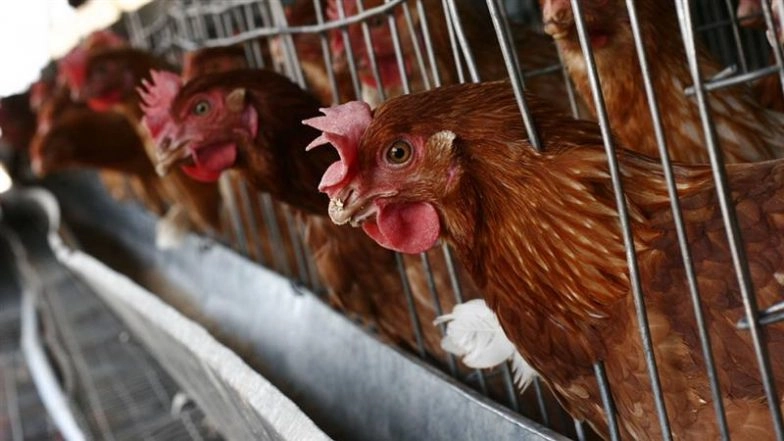
Washington, DC, November 19: In a first-of-its-kind medical case, the United States has reported the world’s earliest known human infection of the H5N5 bird flu strain, sparking concern among health authorities even as they maintain that the public risk remains low. The patient, an older adult from Washington state, was hospitalised in early November after developing high fever, confusion and severe respiratory distress. Health officials later confirmed that the man had contracted H5N5, a strain until now detected only in wild birds and domestic poultry, making this an unprecedented jump to humans.
According to the Washington State Department of Health, the patient had underlying health issues and lived on a property with a mixed backyard flock, which may have exposed him to infected birds or contaminated surroundings. No secondary infections have been reported, and officials say there is no indication of human-to-human transmission. As the case prompts renewed attention to evolving bird flu strains, let’s know all about the H5N5 bird flu strain. What Is Alpha-Gal Syndrome? All About Tick-Borne Red Meat Allergy That Caused Pilot’s Death in New Jersey.
What Is H5N5 Bird Flu Strain?
H5N5 bird flu is a subtype of the avian influenza virus that primarily infects birds but can occasionally spill over to other animals, including humans. It belongs to the highly pathogenic avian influenza (HPAI) family, meaning it can cause severe disease and high mortality in poultry. The virus is a result of genetic reassortment, a process in which different influenza strains mix and exchange gene segments, making it more adaptable and capable of emerging in new forms. Wild migratory birds often act as carriers, spreading the virus across regions and posing risks to domestic bird populations.
Although human infections are extremely rare, the recent confirmation of the first-ever human case has raised concerns among health agencies worldwide. H5N5 is considered an unpredictable virus because it evolves rapidly and can change how it spreads or how severe it becomes. Listeria Outbreak in US Linked to Precooked Pasta Meals Leaves 6 People Dead and 25 Hospitalised, 18 States Affected.
Signs and Symptoms of H5N5 Bird Flu
H5N5 bird flu symptoms in humans are rare but can resemble other avian influenza infections when they occur. The illness often begins suddenly and may include high fever, persistent cough, sore throat, and severe fatigue. Many patients experience shortness of breath, chest discomfort, and rapid breathing, reflecting the virus’s impact on the respiratory system. Some cases may also involve muscle pain, headache, runny nose, or conjunctivitis.
In more severe infections, H5N5 can lead to pneumonia, acute respiratory distress syndrome (ARDS), and multi-organ failure, making timely medical care crucial. Gastrointestinal symptoms such as nausea, vomiting, and diarrhoea may also occur in some individuals. Because H5N5 is an unpredictable virus with the potential to evolve, any person exposed to infected birds and developing flu-like symptoms should seek immediate medical evaluation.
Treatment for H5N5 Bird Flu
Treatment for H5N5 bird flu focuses on early medical intervention to reduce complications. Doctors typically prescribe antiviral medications, which are most effective when started within the first 48 hours of symptoms. Supportive care plays a critical role and may include oxygen therapy, fever management, hydration, and medications to ease respiratory distress.
Severe cases may require hospitalisation, where patients can receive advanced respiratory support, including ventilators if necessary. Individuals exposed to infected birds may also be monitored closely for the development of symptoms. Since H5N5 is an unpredictable virus, timely diagnosis and treatment are vital to improving outcomes and preventing further spread.
The first human case of H5N5 in Washington underscores the unpredictable nature of avian influenza and the importance of vigilance in monitoring bird populations. Health officials continue to investigate the source of the virus, with the patient’s backyard poultry likely playing a role.
(The above story first appeared on LatestLY on Nov 19, 2025 03:13 PM IST. For more news and updates on politics, world, sports, entertainment and lifestyle, log on to our website latestly.com).