Condoms To Remain Expensive in Pakistan As IMF Rejects GST Waiver on Contraceptives Amid Fiscal Crisis
Sources close to the negotiations told Pakistan-based The News that PM Sharif's administration had approached the IMF seeking permission to abolish the 18 percent General Sales Tax (GST) on essential family planning items, including condoms. However, the IMF has rejected Pakistan's request.

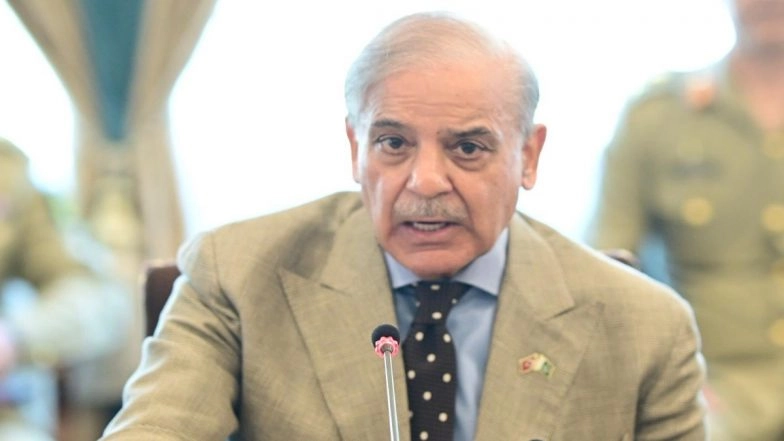
New Delhi, December 18: The International Monetary Fund (IMF) has reportedly rejected a request from Pakistan to allow for subsidies on contraceptives including condoms and other family planning commodities. Consequently, condoms and other contraceptives will remain costly in Pakistan. Prime Minister Shehbaz Sharif-led Pakistan government had sought this concession as it grapples with a burgeoning population and significant economic pressures.
Sources close to the negotiations told Pakistan-based The News that PM Sharif's administration had approached the IMF seeking permission to abolish the 18 percent General Sales Tax (GST) on essential family planning items, including condoms. The government said it wants to support public health initiatives and address Pakistan's rapid population growth, which places additional strain on national resources and development goals.
IMF's Stance on Fiscal Discipline
The IMF, however, maintained its firm stance on fiscal consolidation, declining the request. The IMF's position emphasizes that any new subsidies would contradict the agreed-upon terms of the ongoing bailout program, which prioritizes reducing government expenditure and eliminating non-targeted subsidies to stabilize the economy. Pakistan PM Shehbaz Sharif Falsely Claims ‘India Annexed Kashmir’, X Community Notes Give Him a History Lesson.
Pakistan's Economic Landscape
Pakistan is currently navigating a severe economic crisis, marked by high inflation, a depreciating currency, and a significant current account deficit. The country has repeatedly sought financial assistance from the IMF, with the latest Stand-By Arrangement (SBA) crucial for averting a sovereign default. A key condition of these agreements is a commitment to fiscal austerity, including reforms in the energy sector, taxation, and the removal of various subsidies deemed unsustainable. ‘I Condom’: Netizens Claim Pakistan PM Shehbaz Sharif Made Big Typo, Wrote ‘Condom’ Instead of ‘Condemn’ in X Post Denouncing Israel’s Attack on Iran.
Population growth remains a critical challenge for Pakistan, with current estimates placing it among the fastest-growing nations globally. This demographic expansion exacerbates pressure on limited resources such as food, water, housing, and healthcare, making accessible family planning initiatives vital for long-term development and poverty reduction.
Implications for Public Health
The rejection of the subsidy request presents a challenge for Pakistan's public health sector and its efforts to control population growth. Without government support for cheaper contraceptives, access for a significant portion of the population, particularly in lower-income brackets and rural areas, may remain limited.
Health experts have long advocated for accessible and affordable family planning services as a cornerstone of national development, maternal health, and improved living standards. The government will now need to explore alternative strategies to promote family planning within the existing fiscal constraints.
(The above story first appeared on LatestLY on Dec 18, 2025 05:48 PM IST. For more news and updates on politics, world, sports, entertainment and lifestyle, log on to our website latestly.com).