













 Quickly
 Socially
 Trending
 Crypto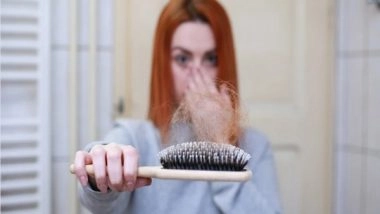
Ohio [US], February 16 (ANI): Both men and women tend to lose their hair as they age. But women also have the added risk associated with a decline in oestrogen levels during the menopause transition. A new study has identified the prevalence of female pattern hair loss (FPHL), hair characteristics, and associated factors in healthy postmenopausal women.
The results of the study were published in the article titled, 'Prevalence of female pattern hair loss in postmenopausal women: a cross-sectional study' in 'Menopause', the journal of The North American Menopause Society (NAMS).
Female pattern hair loss is the most common hair loss disorder in women. It is characterized by gradual thinning at the part line, followed by increasing diffuse hair loss radiating from the top of the head. Female pattern hair loss can develop any time between the teenage years and the post-menopause period. However, it is believed that the loss of oestrogen during the menopause transition may play a role in accelerating FPHL because oestrogen receptors are present in hair follicles. Menopause-related hormone changes have been shown to influence scalp hair, reduce hair diameter, and limit hair growth.
Hair loss can have a significant effect on a woman's self-esteem and overall quality of life because it affects her appearance and confidence. Because women spend, on average, one-third of their lives post-menopause, research into causes and treatments of hair loss is critical.
In a new cross-sectional study involving 178 women seen at a menopause clinic, researchers aimed to evaluate the prevalence of FPHL in healthy postmenopausal women and investigate postmenopausal hair characteristics as well as the factors associated with FPHL. Of the women studied, 52.2 per cent were found to have FPHL. The prevalence of FPHL increased with age. Low self-esteem was detected in 60 per cent of participants and increased with the severity of FPHL.
The researchers additionally noted that a high body mass index (obesity) was associated with an increased prevalence and worsening of FPHL in postmenopausal women. Further studies are necessary to determine whether sex steroid hormones, especially oestrogen and testosterone, and a history of polycystic ovary syndrome are related to hair loss in postmenopausal women.
"Female pattern hair loss was prevalent and associated with lower self-esteem in healthy postmenopausal women in this small cross-sectional study. A better understanding of the mechanisms responsible for this common type of hair loss in women may lead to more effective preventive strategies and treatment options," said Dr. Stephanie Faubion, NAMS medical director. (ANI)
(The above story is verified and authored by ANI staff, ANI is South Asia's leading multimedia news agency with over 100 bureaus in India, South Asia and across the globe. ANI brings the latest news on Politics and Current Affairs in India & around the World, Sports, Health, Fitness, Entertainment, & News. The views appearing in the above post do not reflect the opinions of LatestLY)
 Share Now
 Google Trends



 Live Bot