
Science News | Endangered Mouse Study Shares No-contact Sampling Method
Get latest articles and stories on Science at LatestLY. Collecting genetic samples for small mammals can be tricky, but scientists found a noninvasive way to do it for San Francisco's endangered salt marsh harvest mouse.

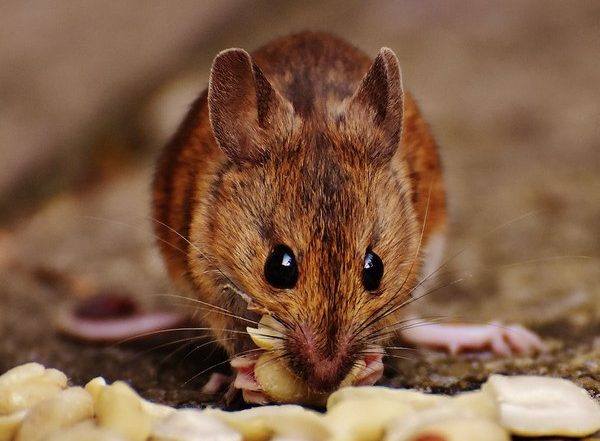
Washington [US], September 20 (ANI): Collecting genetic samples for small mammals can be tricky, but scientists found a noninvasive way to do it for San Francisco's endangered salt marsh harvest mouse.
A study from the University of California, Davis, describes a new, noninvasive genetic survey technique for the endangered salt marsh harvest mouse, which lives solely within the tidal marshes of the San Francisco Bay Estuary.
In larger mammals, scientists often collect samples from scat, but the poop of small animals can be so small that it is difficult to detect in the wild.
The new technique, published in the Journal of Mammalogy, uses a combination of bait stations and genetics to sample and identify salt marsh harvest mice, or "salties" as researchers affectionately call them. The species has lost more than 90% of its habitat to development and is also threatened by rising sea levels. That's why it is imperative that the remaining populations are identified accurately and efficiently, the authors note.
Also Read | Mumbai Shocker: Slapped by Coworker in Jest, Man Starts Bleeding, Later Dies in Hospital.
The technique is simple: Scientists bait boxes with a snack of seeds, millet and oats, and lay down cotton bedding. The mice are free to come and go. A researcher returns a week later to collect the lab's fecal pellets for genetic sampling. There, a unique species identification test differentiates salt marsh harvest mice samples from those of other rodents that may have used the bait box.
Contrast that process with the more common and intensive method of live trapping: A team of three to five researchers check traps at sunrise and sunset for several consecutive days. To prevent animal drownings, those traps must be placed above the tideline, ruling out several areas of tidal marsh habitat. But with the new, noninvasive technique, mice can leave at any time, allowing researchers to monitor more marshes and more mice, safely and efficiently.
"Our genetic identification method is simple, inexpensive, and can be adapted to other small mammal systems," said lead author Cody Aylward, a recent graduate and former doctoral student of the Mammalian Ecology and Conservation Unit in the UC Davis School of Veterinary Medicine. "I hope someone studying an endangered small animal somewhere reads this study and goes, 'That's something I can do.'"
Little is known about salt marsh harvest mice, so the impacts of their potential loss are also unclear. Scientists know the species is unusual in several ways. For example, salties are strong swimmers, can drink seawater and have a unique genetic lineage, as Aylward explains:
"Genetic data says there's 3.5 million years divergence between them and their closest relative," he said. "So if we lose them, that's 3.5 million years of evolutionary history that's lost."
Co-authors include principal investigator Mark Statham, Robert Grahn and Benjamin Sacks from the UC Davis School of Veterinary Medicine. (ANI)
(The above story is verified and authored by ANI staff, ANI is South Asia's leading multimedia news agency with over 100 bureaus in India, South Asia and across the globe. ANI brings the latest news on Politics and Current Affairs in India & around the World, Sports, Health, Fitness, Entertainment, & News. The views appearing in the above post do not reflect the opinions of LatestLY)