Know Why Indians Can't Visit These 2 Countries Visa Free Despite India's Passport Rank Climbing to 80th in Henley Passport Index 2026
The Indian passport climbed to 80th place in the 2026 Henley Passport Index, but visa-free access dropped from 57 to 55 countries. Iran suspended its visa-waiver for Indians due to security and kidnapping concerns, while Bolivia replaced its "Visa on Arrival" with a mandatory e-Visa, tightening travel requirements for citizens.

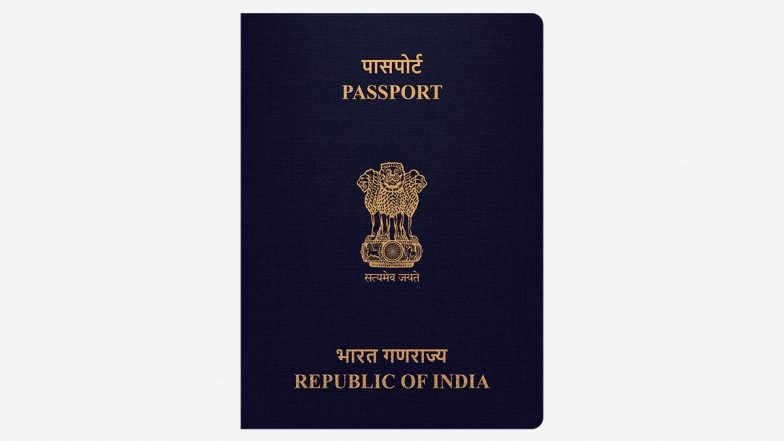
Mumbai, January 21: The Indian passport has strengthened its global standing, climbing five spots to rank 80th in the latest Henley Passport Index 2026. However, the ranking improvement comes with a notable reduction in travel flexibility. While India moved up from its previous 85th position, the number of destinations Indian citizens can access without a prior visa has decreased from 57 to 55. This shift follows recent policy changes in Iran and Bolivia, both of which have tightened entry requirements for Indian travellers.
Iran Suspends Visa-Waiver Over Security Concerns
The most significant change involves Iran, which officially suspended its visa-free entry for ordinary Indian passport holders on November 22, 2025. This decision followed a series of alarming reports from the Ministry of External Affairs (MEA) regarding Indian nationals being lured to the country under false pretences. Henley Passport Index 2026: Indian Passport Gains Strength, Now Ranks 80th on List; Check Top 10 World’s Most Powerful Passports.
According to the MEA, several travellers were defrauded by unscrupulous agents with promises of employment or easy transit to other nations, only to be kidnapped for ransom upon arrival. To curb these incidents, Iranian authorities now require all Indian nationals to obtain a formal visa in advance, ending the short-stay visa-free arrangement that had been in place throughout early 2025.
Bolivia Transitions to e-Visa System
Bolivia has also contributed to the decrease in India's visa-free tally by replacing its "Visa on Arrival" facility with a mandatory e-Visa regime. Under the new 2026 guidelines, Indian travellers can no longer simply complete formalities at the airport upon arrival.
Instead, visitors must now:
- Submit an online application form before travel.
- Upload necessary documentation and pay fees electronically.
- Present a digitally approved visa to immigration officials upon landing.
Because the Henley Index categorises "Visa on Arrival" as high-mobility access and "e-Visas" (which require prior approval) as restricted access, this administrative shift resulted in the loss of one point for India’s mobility score. What Is an e-Passport? Who Can Apply, How to Apply, Fees, Benefits and Key Security Upgrades Explained.
Understanding the Paradox: Higher Rank, Fewer Countries
The rise in India's overall ranking from 85th to 80th, despite losing two destinations, is attributed to the relative performance of other nations. In the global mobility landscape, several other passports saw a more significant decline in access, allowing India to move upward in the hierarchy.
The Henley Passport Index, which utilises data from the International Air Transport Association (IATA), remains the industry standard for measuring passport power. For Indian travellers, the current score of 55 reflects a growing trend of nations implementing digital tracking and security-based visa protocols.
Context for Indian Travellers
Despite the loss of Iran and Bolivia from the visa-free list, popular destinations such as Thailand, Mauritius, and Nepal continue to offer easy access to Indian citizens. Travel experts suggest that as more countries move toward e-Visa and ETA (Electronic Travel Authorisation) systems, the "paperless" travel experience remains available, though it now requires a few days of advanced planning rather than spontaneous arrival.
(The above story first appeared on LatestLY on Jan 21, 2026 08:58 PM IST. For more news and updates on politics, world, sports, entertainment and lifestyle, log on to our website latestly.com).