Why Mumbai’s Next Mayor Will Be Chosen by Lottery: What the Rule Says and When the City Will Get a New Mayor
Following the conclusion of the Brihanmumbai Municipal Corporation (BMC) elections, the city is moving toward a return to elected leadership. For the first time in nearly four years, Mumbai is set to have a Mayor by the end of January 2026. However, the final appointment depends on a high-stakes lottery system unique to Maharashtra’s civic governance.

- Read in
- हिंदी
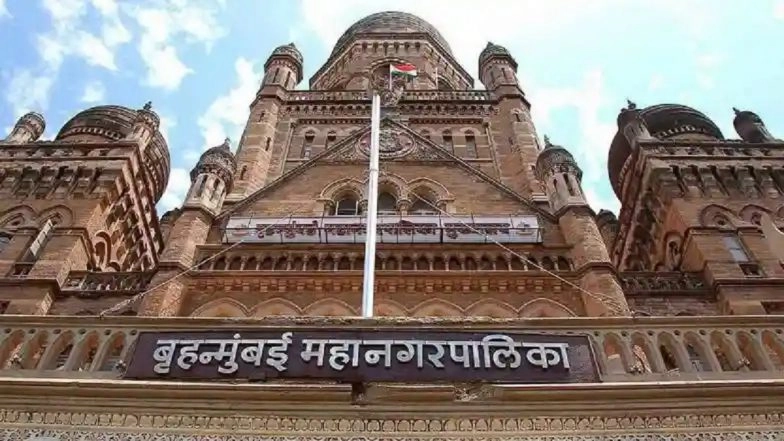
Mumbai, January 19: Following the conclusion of the Brihanmumbai Municipal Corporation (BMC) elections, the city is moving toward a return to elected leadership. For the first time in nearly four years, Mumbai is set to have a Mayor by the end of January 2026. However, the final appointment depends on a high-stakes lottery system unique to Maharashtra’s civic governance. The city has been without a "First Citizen" since March 2022, when the term of the previous corporation ended. Due to pandemic-related delays and legal disputes over ward boundaries, the BMC has been managed by a state-appointed Administrator. With the election results now finalized, the focus shifts to the legal procedures required to install a new leader.
The Recent BMC Election: Results and Seat Counts
The January 2026 civic polls delivered a historic shift in Mumbai's political landscape. The BJP emerged as the single largest party with 89 seats, while its ally, the Eknath Shinde-led Shiv Sena, won 29 seats. Together, the Mahayuti alliance secured 118 seats, crossing the 114-seat majority mark in the 227-member house. On the opposition side, the Shiv Sena (UBT) secured 65 seats, maintaining a strong presence in the city's traditional heartland. Other results included Congress with 24 seats, AIMIM with 8, and the MNS with 6. How Is Mumbai Mayor Elected? From Nominations to Voting Method and Tenure, All You Need To Know.
The Lottery System: Why It Exists
The Mayor of Mumbai is not elected directly by the public, nor is the post open to just any winning candidate. Under the Mumbai Municipal Corporation Act, 1888, the office must follow a rotational reservation policy. The lottery system is used to ensure "social justice and equitable representation." It prevents any single demographic or political bloc from monopolizing the seat. By drawing lots, the state determines the specific demographic category for each 2.5-year term, ensuring that marginalized communities and women have a guaranteed opportunity to lead the city.
The Rule of Reservation
The reservation rules are strictly mandated by the State Urban Development Department and are based on constitutional provisions for social representation:
-
Rotational Categories: The post rotates between the General Category, Scheduled Castes (SC), Scheduled Tribes (ST), and Other Backward Classes (OBC).
-
Gender Quota: By law, 50% of the mayoral terms must be reserved for women. This applies across all categories (e.g., a term could be reserved for an "OBC Woman" or "General Woman").
-
Fresh Cycle: For the 2026 term, the state has reset the rotation cycle, meaning the upcoming draw will be treated as the "first" in a new sequence of leadership.
The Process: From Lottery to Election
The path to the Mayor’s bungalow involves a transparent, three-phase legal process:
-
The Draw (The "Who"): A public lottery is held where chits with category names are placed in a box and drawn—traditionally by a school-age child—to ensure impartiality.
-
The Notification: Once a category is drawn (e.g., "SC Woman"), the government issues an official notification. Only elected corporators who fit that specific demographic description are eligible to file nominations.
-
The House Vote (The "How"): After nominations are filed, the BMC Commissioner convenes a special meeting. The 227 elected corporators vote to elect the Mayor from the eligible candidates. A simple majority of 114 votes is required to win. List of Mayors of Mumbai: A Complete Historical Timeline.
Timeline: When Will the City Get Its Mayor?
The lottery is scheduled to take place this week. Following the announcement of the reservation category, a mandatory notice period of 7 to 10 days is required before the election meeting can be convened. Current projections suggest that Mumbai will officially have its new Mayor by the last week of January 2026. This appointment will mark the end of the Administrator’s rule and the restoration of the deliberative wing of the BMC, where elected representatives once again have the power to approve civic policies and budgets.
Why the Mayor’s Post Matters
While the Municipal Commissioner (a senior IAS officer) holds executive and financial powers, the Mayor is the "First Citizen" and the presiding officer of the Corporation. The Mayor acts as the bridge between citizens and the administration, chairing the House meetings where civic policies and the city’s massive ₹74,000+ crore budget are debated. The return of a Mayor signifies the restoration of local democracy, ensuring that Mumbai’s infrastructure and health projects are overseen by an elected representative rather than an appointed bureaucrat.
(The above story first appeared on LatestLY on Jan 19, 2026 03:40 PM IST. For more news and updates on politics, world, sports, entertainment and lifestyle, log on to our website latestly.com).