World Osteoporosis Day 2019: Symptoms, Causes, Treatment, and Prevention of the Bone Disease
People with osteoporosis are at a high risk of fractures, or bone breaks while doing routine activities such as standing or walking. Here's all you need to know about the causes, symptoms, treatment, and prevention of the condition.

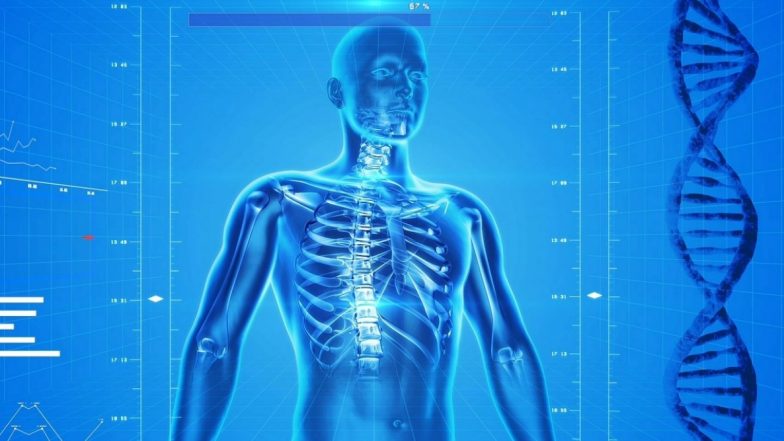
Your bones may feel rock solid, but bones are actually living tissues made up of myriad layers of collagen, proteins, and minerals that are tightly packed. The compact structure of the layers can make your bones withstand a lot of pressure without snapping. There is something called bone remodelling, where your bone constantly breaks down and rebuilds itself, giving you a completely new skeleton every 10 years. But this process makes you lose more bone than you make after age 30. The weakening of bones can lead to a condition called osteoporosis and here is all you need to know about it.
What Causes Osteoporosis?
Certain medical conditions such as hyperthyroidism and the use of certain medications are some of the possible causes of osteoporosis.
Medications such as long-term oral or injected corticosteroids like prednisone or cortisone can weaken the bones and potentially lead to osteoporosis. Poor nutrition and inactivity can also result in osteoporosis. Did you know women are more prone to osteoporosis than men? Some theories suggest that menopause can cause a woman’s body to lose bone even more quickly. Osteoporosis in Women: An Expert Recommends Ways to Keep Your Bones Strong.
What Are The Warning Signs?
Osteoporosis is sometimes called 'a silent disease' because it can exist for years without symptoms - until a bone is broken or fractured. Some of the early symptoms of osteoporosis also include weakened grip strength, receding gums, and brittle nails.
Low bone density: Low bow density does not guarantee that you will have osteoporosis in the future but if you do begin to lose bone, you may be more likely to suffer from fractures or breaks in the future.
Poor posture: Fractures in the vertebrae are more common in people with osteoporosis. This can lead to problems with your posture, or a curvature in the spine near the shoulders.
Bones that easily fracture: Bone fractures and breaks are often the earliest signs of osteoporosis. Since your bones have less strength, you are more likely to experience serious bone injuries if you suffer a fall. Frequent bone trauma is a result of osteoporosis so talk to your doctor if you feel that your bones fracture easily. World Osteoporosis Day 2018: How Does Pollution Affect Your Bone Health? Expert Lays Down Prevention Tips.
How Do Doctors Diagnose Osteoporosis?
To check for osteoporosis, your doctor will review your medical history and do a physical exam. They may also run tests of your blood and urine to check for conditions that may cause bone loss. If the tests suggest that you have osteoporosis or have the risk of getting it, they will suggest a bone density test to confirm the condition.
Is There A Way To Treat Osteoporosis?
The condition is treatable, but not curable. If the test suggests that you are positive, your doctor will prescribe medicine and lifestyle changes that include increasing your intake of calcium and vitamin D as well as getting enough exercise. The treatments can help slow the breakdown of bone in your body, and some treatments can spur the growth of new bone. Binge Drinking in Teenage May Affect Girls' Bone Mass, Says Study.
How to Prevent Osteoporosis?
While there are many risk factors for osteoporosis that you cannot control like your age, gender and family history, there are some factors, however, that do fall within your control. Doing weight-bearing exercises and getting your regular dose of calcium and vitamin D can well prevent osteoporosis.
Also, a proper diet can help strengthen your bones. Eating foods rich in protein, magnesium zinc, and vitamin K can also help strengthen your bones.
(The above story first appeared on LatestLY on Oct 20, 2019 09:00 AM IST. For more news and updates on politics, world, sports, entertainment and lifestyle, log on to our website latestly.com).