Ghibli Art-Style Trend or Privacy Threat? OpenAI ChatGPT, Grok 3’s Studio Ghibli-Style Images Raise Privacy Concerns, Should You Trust Online Tools With Private Photos?
While the debate around trending AI images and plagiarism is ongoing and requires a discussion, the worries aren’t limited to that. The privacy concerns and internet usage are real. The ChatGPT’s image generator, inspiring the Studio Ghibli-style images, has raised similar concerns.

- Read in
- हिंदी
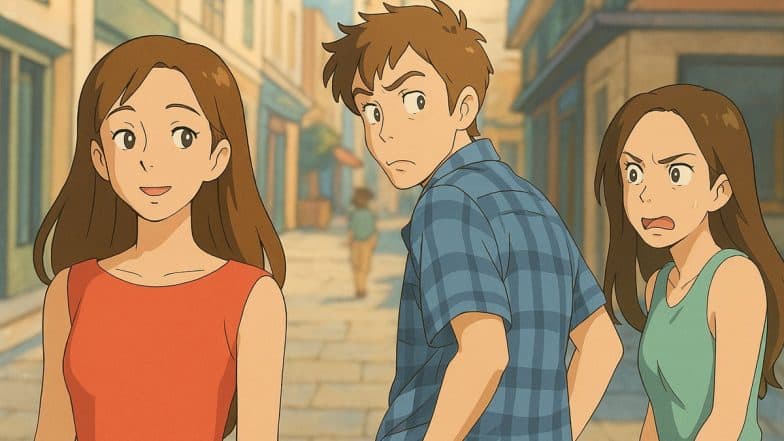
AI-generated images are at the peak on social media. From what netizens love to call ‘art’ to the filters, photos and videos, the internet is embracing artificial intelligence in a big way. AI trends are no longer for technology geeks. Creators and brands are leveraging these AI trends to engage more with their audience, as what the algorithm demands. The latest trend – Studio Ghibli-style AI images. While the debate around trending AI images and plagiarism is ongoing and requires a discussion, the worries aren’t limited to that. The privacy concerns and internet usage are real. The ChatGPT’s image generator, inspiring the Studio Ghibli-style images, has raised similar concerns. What started as an internet trend, allowing users to transform their photos into the aesthetics of legendary animator Hayao Miyazaki, has now sparked a heated debate. Even X’s Chatbot Grok created its image generator so users could hop on the trend. Digital privacy advocates warn that amid the growing trend, OpenAI may be silently harvesting personal data on a massive scale—and users are handing it over voluntarily without thinking about the consequences.
ChatGPT, Grok 3’s Image Generator For Ghibli-Style Images
Social media is now overrun with images that mimic Studio Ghibli’s dreamy aesthetic. The viral trend inspired plenty of memes, pop-culture recreations and more to Ghibli-fy their own personal photos. A quick scroll to your social media timeline will show you your obsession with the latest AI-inspired trend. The ChatGPT-40 image generator’s trend inspired X AI’s Grok 3 chatbot as an alternative, allowing users to create Ghibli-style images with a subscription fee. Hayao Miyazaki’s fans pointed out that the latest trend goes against the ethos of Studio Ghibli and its carefully cultivated aesthetics, further raising copyright and creative ownership. Now, activists are raising the alarm about an even bigger issue: data collection.
Ghibli Art-Style Trend or Privacy Threat?
🚨 Most people haven't realized that the Ghibli Effect is not only an AI copyright controversy but also OpenAI's PR trick to get access to thousands of new personal images; here's how:
To get their own Ghibli (or Sesame Street) version, thousands of people are now voluntarily… pic.twitter.com/zBktscNOSh
— Luiza Jarovsky (@LuizaJarovsky) March 29, 2025
Studio Ghibli Art-Style Raises Privacy Concerns
⚠️ Think before you #Ghibli ⚠️
That cute “Ghibli-style” selfie? It might cost more than you think.
🔎 Your photo could be misused or manipulated.
🧑💻 AI may train on it without your consent.
💰 Data brokers might sell it for targeted ads.
Stay cyber smart. Your privacy matters.… pic.twitter.com/aEjT3sHtTN
— Himachal Cyber Warriors (@hpcyberwarriors) March 29, 2025
Should You Trust Online Tools With Private Photos?
Is it truly safe to upload photos on ChatGPT for Studio Ghibli-style illustrations? Web access and data privacy have always been significant concerns among tech experts and activists alike. According to the General Data Protection Regulation (GDPR), OpenAI usually needs to justify scrapping images from the internet under ‘legitimate interest,’ ensuring data protection is in place. This means that when you upload photos to ChatGPT for Studio Ghibli-style images, you agree to user terms that may bypass such protections. You are giving explicit consent.
Privacy Expert Luiza Jarovsky of the AI, Tech & Privacy Academy warned, as quoted in reports, “When people voluntarily upload these images, they give their consent to OpenAI to process them. This is a different legal ground that gives more freedom to OpenAI, and the legitimate interest balancing test no longer applies.”
What Can You Do To Protect Yourself?
- When you upload your photos, avoid sharing high-resolution images that can be scraped for AI training.
- Thoroughly go through the platform’s privacy policies. Read and understand how your data can be used.
- When downloading applications, ensure that you remove or limit the camera and gallery access.
- Use passwords or PINs instead of facial recognition to unlock devices.
The advent of the internet and rising trends often raise privacy concerns, as cases of data leaks often make the headlines. So, before you upload your next Ghibli-style images, pause and think if you really want to be part of a ‘fun’ trend online while handing over a piece of your privacy to an AI tool you don’t fully understand.
(The above story first appeared on LatestLY on Apr 01, 2025 02:54 PM IST. For more news and updates on politics, world, sports, entertainment and lifestyle, log on to our website latestly.com).