What Did Imaan Mazari Tweet to Get 17 Years in Jail?
What did Imaan Mazari tweet to get 17 years in jail? Read the full case details, including the text of the controversial "May 7th" tweet about Dr. Mahrang Baloch, the breakdown of cyber-terrorism charges under PECA, and the latest updates on the 2026 verdict and legal appeals.

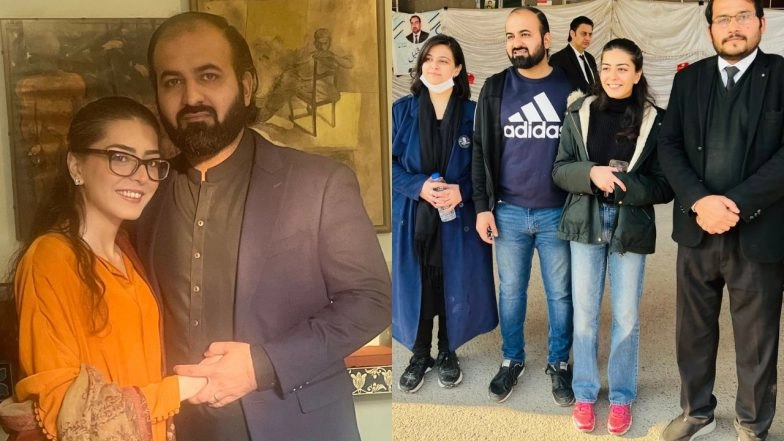
On January 24, 2026, a district court in Islamabad sentenced human rights lawyer Imaan Zainab Mazari-Hazir and her husband, Hadi Ali Chattha, to 17 years in prison. The conviction centres entirely on their activity on X (formerly Twitter), which the court ruled constituted "cyber-terrorism" and "glorification of proscribed organisations."
Below is a detailed breakdown of the specific content (Tweet/X Post) cited in the judgment, the legal reasoning used, and the latest developments as of today.
17 Years for a Tweet: The Imaan Mazari Case Explained
The central piece of evidence cited in the 22-page written judgment by Judge Muhammad Afzal Majoka was a specific call to action posted by Mazari.
The 'Imaan Mazari Tweet' Text:
Join us on 7 May from 6 PM till midnight to demand justice for Dr. Mahrang Baloch & all other illegally detained BYC leaders.
The Visual: The tweet was accompanied by a photograph of Dr. Mahrang Baloch (a prominent Baloch activist) making a victory sign.
The Court's Interpretation: The verdict ruled that Dr. Mahrang Baloch is a "proscribed person" under the Fourth Schedule of the Anti-Terrorism Act. By posting her image with a victory sign and advocating for the Baloch Yakjehti Committee (BYC), the court determined Mazari was "glorifying" a crime and promoting an anti-state narrative. Imaan Mazari and Hadi Ali Chattha: All About the Pakistani Lawyer Couple Jailed Over Social Media Posts.
Other Cited Content & Themes
The judgment did not rely on a single post but cited a "consistent pattern" of tweets from 2021 to 2025. The court record highlights the following themes as criminal offences under the Prevention of Electronic Crimes Act (PECA):
"Terrorist State" Allegation: Mazari was charged for tweets in which she allegedly described Pakistan as a "terrorist state." The court ruled that while she is a lawyer and knows Pakistan is not internationally classified as such, she used the term to "advance the agenda" of banned militant groups like the BLA (Baloch Liberation Army) and TTP (Tehreek-i-Taliban Pakistan).
"Torture Cells" Claim: Another cited post alleged the existence of "state-run torture cells" and claimed that violence was the state's "standard response to peaceful Baloch voices."
Criticism of the Military: The verdict stated her posts portrayed the armed forces as "ineffective" against terrorists while simultaneously accusing them of being responsible for enforced disappearances.
The Verdict: Breakdown of the 17-Year Sentence
The sentence is a combination of concurrent and cumulative penalties under PECA (2016).
| Charge | Section | Sentence | Reasoning |
| Cyber-Terrorism | Sec 10 | 10 Years | Creating fear/insecurity and advancing the objectives of proscribed groups (BLA/TTP). |
| Glorification of Offense | Sec 9 | 5 Years | Praising/celebrating proscribed persons (Dr. Mahrang Baloch). |
| False Information | Sec 26-A | 2 Years | Disseminating information known to be false to cause public fear. |
| Total Sentence | 17 Years | (Plus heavy fines totalling millions of rupees). |
Frequently Asked Questions (FAQs) on Imaan Mazari
Q: Who is Imaan Mazari?
A: She is a prominent human rights lawyer in Pakistan, known for representing victims of enforced disappearances and criticized blasphemy laws. She is the daughter of Shireen Mazari, a former federal minister.
Q: Is Dr. Mahrang Baloch a terrorist?
A: Dr. Mahrang Baloch is a physician and activist who leads the Baloch Yakjehti Committee (BYC), campaigning against enforced disappearances. While the state has placed her on the "Fourth Schedule" (a watch list for individuals suspected of links to terrorism), she is widely recognised internationally as a peaceful human rights defender.
Q: What is PECA?
A: The Prevention of Electronic Crimes Act (2016) is a cybercrime law in Pakistan. Critics and rights groups (like Amnesty International) often argue it is used as a tool to criminalise online dissent and freedom of expression under the guise of national security.
Q: Can they appeal the decision?
A: Yes. The defence has stated they will challenge the verdict in the Islamabad High Court (IHC). Their primary grounds for appeal will likely be the "jurisdictional error" (the judge ruling while a transfer case was pending) and the alleged lack of due process.
Q: Are the tweets by Imaan Mazari still visible?
A: No. Following the conviction and the serious nature of the "cyber-terrorism" charges, the specific content has been removed from the platform, and her account is currently restricted. The court judgment remains the only official record of the text.
Latest News in Imaan Mazari and Hadi Ali Chattha Case
Lawyers' Strike (Ongoing): As of today, legal bodies across Islamabad are observing a three-day strike. Lawyers have boycotted court proceedings, condemning the verdict as a "mockery of justice" and protesting the arrest of Mazari and Chattha while they were en route to court on Jan 23.
Jurisdiction Dispute: The defence team, led by lawyer Jibran Nasir, argues the verdict is "null and void" because a transfer application was pending in the Islamabad High Court (IHC) at the time. They argue Judge Majoka was legally barred from issuing a final verdict until the High Court decided on the transfer.
Boycott of Trial: During the final hearing on Jan 24, Mazari and her husband appeared via video link from Adiala Jail but boycotted the proceedings, citing mistreatment (lack of food/water) and the denial of their right to a fair trial.
The sentencing of Imaan Mazari and Hadi Ali Chattha marks a critical turning point in Pakistan’s legal history regarding digital rights and political dissent. By equating social media posts criticising state institutions with "cyber terrorism," the verdict sets a precarious precedent for activists, journalists, and legal practitioners alike, effectively narrowing the space for "permissible dissent."
As the legal community mobilises in protest and the defence prepares to challenge the judgment in the Islamabad High Court, the case has evolved beyond individual convictions into a referendum on the boundaries of free speech and the reach of the Prevention of Electronic Crimes Act (PECA). The outcome of the impending appeal will likely serve as a defining litmus test for the future of civil liberties in the country.
(The above story first appeared on LatestLY on Jan 27, 2026 02:12 PM IST. For more news and updates on politics, world, sports, entertainment and lifestyle, log on to our website latestly.com).