Mercedes-Benz India To Hike Luxury Car Prices Quarterly As Forex Pressures Outweigh Trade Pact Benefits
Mercedes-Benz India has announced quarterly price hikes for 2026, driven by the weakening INR against the EUR. CEO Santosh Iyer clarified that the India-EU FTA will not lower prices immediately. Despite this, the firm plans 11 launches, including the CLA electric sedan, while maintaining its INR 30,000 million local investment.

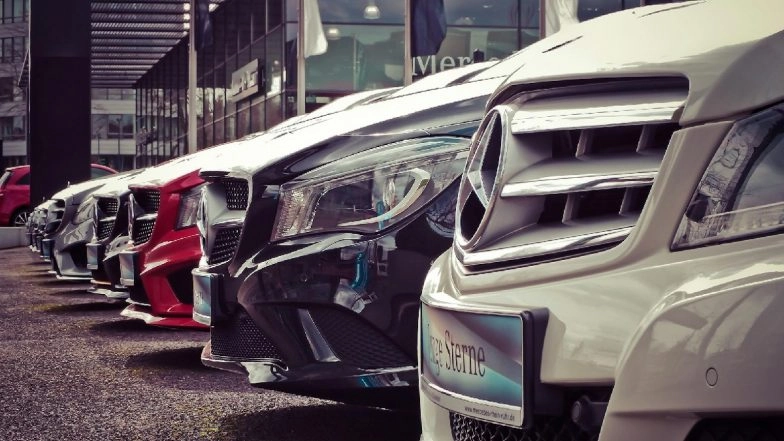
Mumbai, March 3: German luxury carmaker Mercedes-Benz has confirmed a series of quarterly price hikes for the Indian market, citing a significant depreciation of the local currency against the Euro. Despite the recent formalisation of the India-European Union Free Trade Agreement (FTA), the company stated that consumers should not expect a reduction in vehicle costs in the near term due to lengthy implementation timelines and volatile foreign exchange rates.
Mercedes-Benz India Managing Director and CEO Santosh Iyer revealed that the company has already implemented a 2% price increase in January 2026, with another 2% scheduled for April. Speaking on the fiscal outlook, Iyer noted that the INR has weakened by approximately 20% to 25% against the EUR, moving from 90 to nearly 110. This sharp depreciation has necessitated regular price adjustments to offset rising input and import costs. Car and Bike Price Hike 2026: From MG Motor, BMW and Mercedes-Benz To Triumph Motorcycles, Check Out All Companies Raising Vehicle Prices From January 1.
Strategic Product Offensive for 2026
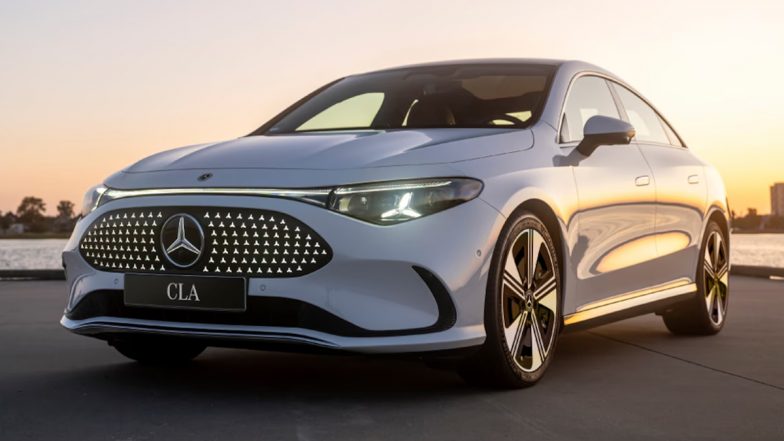
Despite the pricing headwinds, the luxury manufacturer is embarking on an aggressive product strategy, planning to launch 11 new models this year—averaging nearly one debut per month. This "product offensive" includes the highly anticipated CLA electric sedan, scheduled for an April launch, and a re-entry into the luxury MPV segment with the V-Class, which carries a starting price of INR 140 million.
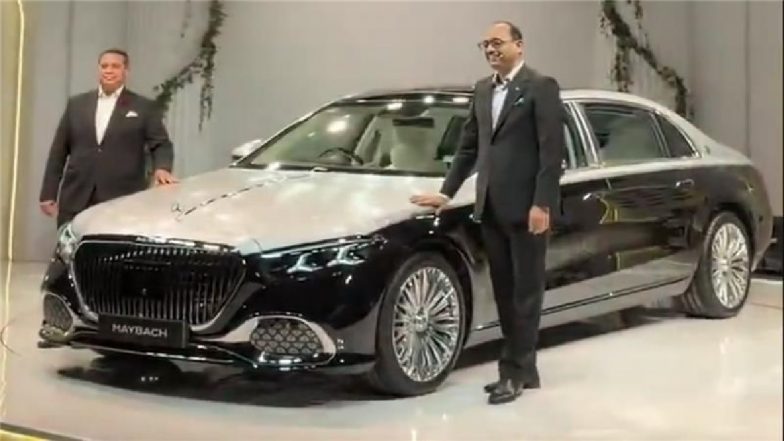
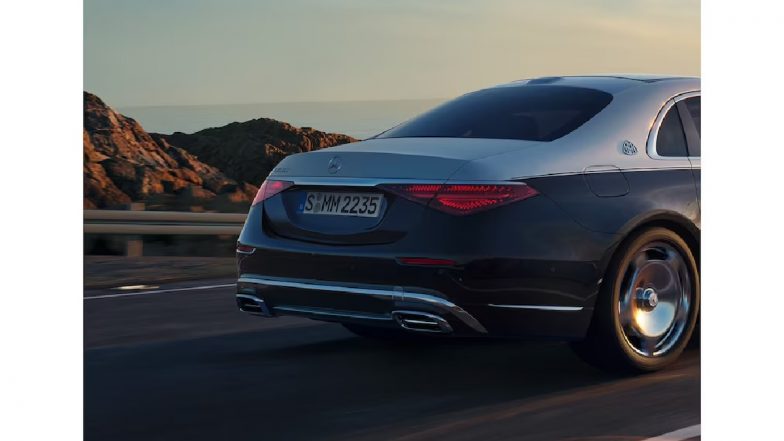
The company is also focusing on "white spaces" in the market, such as the premium van segment, to drive demand among high-net-worth individuals. Earlier in January, the brand reached a milestone by localising the new GLS Maybach at its Chakan facility, further strengthening its "Made in India" portfolio which currently accounts for 95% of its domestic sales.
The Reality of the India-EU FTA
Addressing what he termed an "overhyped phenomenon," Iyer clarified that the India-EU FTA would not lead to an immediate crash in car prices. He explained that the agreement requires roughly two years for ratification and implementation, followed by a five-year "glide path" to reduce import duties from 35% to 10%. Under this timeline, the lowest tariffs would likely only take effect by 2033.
Furthermore, the CEO highlighted that Electric Vehicles (EVs) and Plug-in Hybrid Electric Vehicles (PHEVs) are initially excluded from the scope of the FTA, with duty concessions only starting five years after the deal becomes operational. Consequently, the company maintains its commitment to local production at its INR 30,000 million Chakan plant to remain competitive under the current tax structure.
Electric Vehicle Transition and Infrastructure
Mercedes-Benz remains optimistic about the transition to electric mobility, noting that 20% of its top-end vehicle sales (those priced above INR 140 million) are already EVs. The upcoming CLA EV is expected to redefine the segment with advanced computing power and AI-driven charging management that calculates range based on real-time driving behaviour. Upcoming Car Launches in March 2026: From Renault Duster and Skoda Kushaq Facelift to Toyota Ebella, Here’s List of New Cars Arriving This Month.
To support this growth, the brand is expanding its "MB.CHARGE" ecosystem to democratise charging access. Iyer emphasised that the future of luxury motoring in India depends on a seamless total cost of ownership (TCO) argument, where the benefits of electric technology and local assembly outweigh the pressures of global economic fluctuations.
(The above story first appeared on LatestLY on Mar 03, 2026 03:33 PM IST. For more news and updates on politics, world, sports, entertainment and lifestyle, log on to our website latestly.com).