6-7, Demure and Cooked in 2026 LSSU Ban List
6-7 to Demure in list of banned words. Lake Superior State University (LSSU) has released its 50th annual List of Words Banished from the Queen’s English for Misuse, Overuse and General Uselessness, targeting the linguistic irritants that plagued 2025.

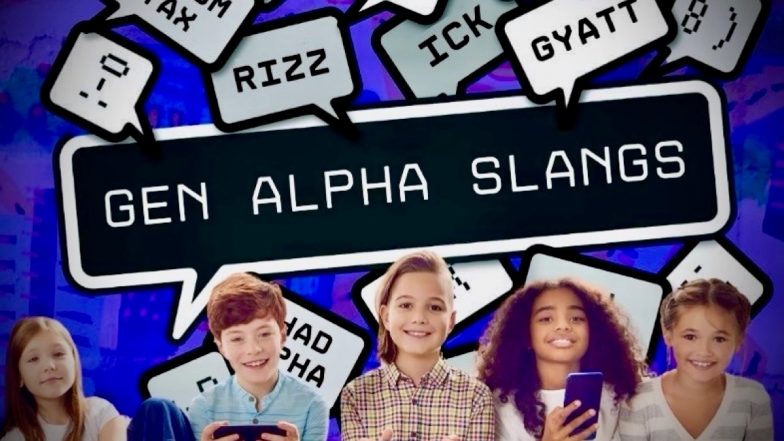
If hearing the phrase "very demure, very mindful" one more time makes you feel "cooked", you are not alone. Lake Superior State University (LSSU) has released its 50th annual List of Words Banished from the Queen’s English for Misuse, Overuse and General Uselessness, targeting the linguistic irritants that plagued 2025.
Topping the "golden class" of banishments for 2026 is the perplexing viral trend "6-7" (often spoken as "six-seven"), a term that has baffled anyone over the age of 30 while dominating social media feeds. It is joined by nine other offenders, including corporate jargon, redundant punctuation, and recycled slang that simply refuses to fade away.
6-7 to Demure: The Golden Banishments of 2026
For its milestone 50th edition, LSSU selected ten words and phrases from thousands of nominations submitted globally. Here is the full list of terms the university suggests should be banned immediately:
6-7: Described as the top banishment of the year, this viral Gen Z catchphrase is often criticised for its vagueness. "There are six or seven reasons why this phrase needs to be stopped," said one nominator. While often used as a nonsensical inside joke on platforms like TikTok, the consensus is clear: it is time for the numbers game to end. Meaning of 67.
Demure: Sparked by the "very demure, very mindful" trend that swept the internet, this word has been stripped of its original meaning through relentless overuse. As one contributor noted, "It’s very said more than very done, and we’re all very done hearing it."
Cooked: Slang for being mentally exhausted, doomed, or finished, "cooked" has left many parents and teachers feeling exactly that. "Hearing it… my brain feels cooked," groaned one submission. Critics suggest a blanket ban on all slang variations of the culinary term.
Massive: A classic case of hyperbolic overuse. Whether referring to a minor sale or a slight inconvenience, everything in 2025 was apparently "massive". Nominators argue the word is frequently used incorrectly and has lost its weight.
Incentivize: A longstanding enemy of the list is the transformation of nouns into verbs. "Incentivize" struck a nerve this year, with submissions likening it to "nails on a chalkboard". The simple question remains: "What is wrong with 'motivate'?"
Full stop: Used to emphasise a point, this phrase was deemed "redundant punctuation" by critics. It joins "period"—banished in previous years—as a verbal full stop that nobody needed to hear.
Perfect: Often uttered by customer service staff when a transaction is merely adequate, "perfect" has become a meaningless filler word. "How do they know it’s perfect? What does that mean?" asked one perplexed nominator.
Gift/Gifted (as a verb): A "repeat offender" from the 1994 list, this grammatical grievance has resurfaced. LSSU purists insist that "gift" is a noun and "give" is the verb, pleading for the return of "gave".
My Bad: First banished in 1998, this casual apology is back in the firing line. Critics argue it sounds infantile and lacks genuine remorse. "It does not convey much meaning in the way of an apology," observed one contributor.
Reach Out: Another returnee from the 1994 list, "reach out" has mutated from a phrase implying emotional support into standard, hollow corporate speak. One UK nominator noted, "What started as a phrase with emotional support overtones has now become absurdly overused."
Lake Superior State University Releases 2026 Banned Words List
Five Decades of Linguistic Policing
The Banished Words List began in 1975 as a New Year’s Day publicity stunt dreamed up by the late W.T. Rabe, LSSU’s former public relations director. Rabe and a group of colleagues known as the "Unicorn Hunters" released the first list to give journalists something to discuss on a slow news day.
Fifty years later, the tradition has grown into a global phenomenon, receiving thousands of entries annually from around the world. To mark the anniversary, LSSU also highlighted a "Hall of Shame" for words that refuse to stay banished.
Perennial irritants include "Absolutely" (banished in 1996 and 2023), "At the end of the day" (a triple offender from 1999, 2022, and 2024), and "Game Changer", which was banished in 2009 and again in 2025, proving that some clichés are harder to kill than others. As language evolves, so too does the list, serving as a humorous reminder to choose our words carefully
(The above story first appeared on LatestLY on Jan 02, 2026 10:36 PM IST. For more news and updates on politics, world, sports, entertainment and lifestyle, log on to our website latestly.com).