How to Install Reliable 48V Lithium Battery Systems
As the world shifts towards renewable energy, efficient and reliable energy storage has become crucial for residential and commercial solar installations.

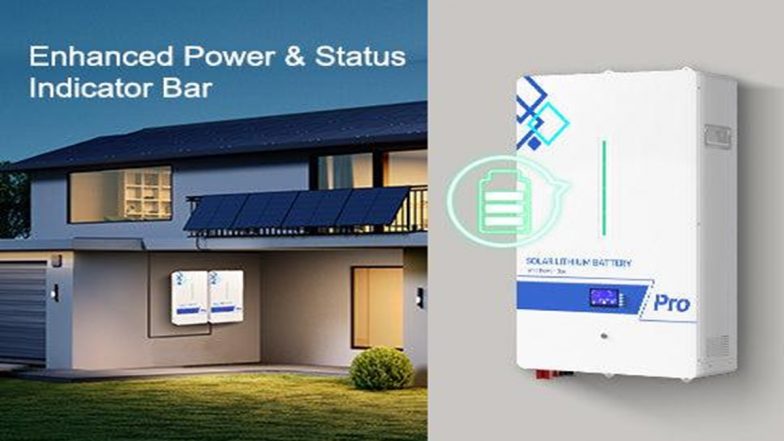
As the world shifts towards renewable energy, efficient and reliable energy storage has become crucial for residential and commercial solar installations. While traditional lead-acid batteries have served as the standard for decades, 48V lithium battery systems represent a quantum leap in performance, longevity, and safety. These advanced systems offer superior energy density, deeper discharge capabilities, and significantly longer cycle life compared to conventional alternatives. However, realizing these benefits requires precise installation and configuration. This comprehensive guide walks through the essential steps for installing 48V lithium battery systems, with a particular focus on LiFePO4 chemistry - the gold standard for stationary energy storage. By following proper installation procedures, installers can ensure optimal system performance, maximize return on investment, and create a robust foundation for years of reliable energy storage.
Understanding 48V Lithium Battery Fundamentals
48V lithium battery systems represent the convergence of advanced energy storage technology, with LiFePO4 (Lithium Iron Phosphate) chemistry leading the way in stationary applications. These systems typically consist of multiple series-connected cells, a sophisticated Battery Management System (BMS), power conversion equipment, and safety mechanisms. Leading manufacturers like Anern have helped establish LiFePO4 as the preferred chemistry due to its exceptional thermal stability, extended cycle life exceeding 6,000 cycles, and inherent safety characteristics compared to other lithium variants. While some systems operate at nominal voltages of 51.2V or 25.6V, the 48V standard offers optimal compatibility with existing power electronics while maintaining safe operating voltages. This configuration delivers up to four times the cycle life of traditional lead-acid batteries, with minimal voltage sag throughout the discharge cycle and superior performance across varying temperature conditions.
Pre-Installation Planning for High-Capacity Systems
Load Calculation and Capacity Sizing
Accurate load calculation forms the foundation of a reliable 48V lithium battery system. Begin by conducting a comprehensive energy audit, documenting both peak and continuous power requirements for all connected devices. For residential installations, analyze historical electricity usage patterns across seasons, paying special attention to high-demand periods. Calculate the maximum surge loads from motor-driven appliances like air conditioners and well pumps, then add a 20% safety margin. When matching battery capacity to solar PV output, consider the array's daily generation profile and account for typical weather patterns in your region. A properly sized system should provide sufficient storage to maintain critical loads through extended cloudy periods while avoiding excessive oversizing that could impact system economics.

Site Assessment and Safety Prep
Before installation, carefully evaluate the mounting location's environmental conditions. The space must maintain temperatures between 59-77°F (15-25°C) for optimal performance, with proper ventilation providing at least 3 air changes per hour. Install temperature monitoring sensors and ensure adequate clearance - minimum 36 inches front access and 24 inches top clearance for maintenance. Fire safety measures should include Class D fire extinguishers rated for lithium fires, smoke detectors, and clear emergency procedures posted nearby. Verify floor loading capacity can support the complete system weight, including future expansion. Install appropriate warning signs and establish designated safety zones around electrical equipment. Document all emergency shutoff locations and ensure easy access for first responders.
Step-by-Step 48V Lithium Battery Installation
Mounting and Physical Setup
Begin by selecting an appropriate mounting solution that meets seismic requirements and load ratings for your battery system. Install vibration-dampening pads beneath mounting racks to minimize mechanical stress on cells. For cabinet installations, ensure proper weight distribution by placing heavier modules at the bottom. Maintain minimum 2-inch spacing between battery modules for proper airflow and cooling. Secure all mounting hardware to manufacturer-specified torque values, typically 12-15 Nm for M8 bolts.
Wiring and Electrical Integration
Size DC busbars according to maximum system current, using copper bars rated for 1.25x peak load. Calculate cable gauge using voltage drop limits of 1% maximum at full load - typically 4/0 AWG for systems over 10kW. When configuring parallel strings, implement identical cable lengths to ensure balanced current distribution. Install DC disconnects rated for 150% of maximum system current. Follow proper crimping procedures for battery terminals using calibrated hydraulic tools, and apply anti-oxidation compound to all connections.
Inverter and BMS Interfacing
Connect BMS communication cables using shielded twisted pair wiring, maintaining separation from power cables to prevent interference. Configure CAN bus termination resistors at both ends of the communication chain. Program inverter charge parameters to match battery specifications: typically 54.4V bulk charging voltage and 52.8V float voltage for 48V LiFePO4 systems. Install pre-charge circuits to prevent inrush current during system startup. Connect battery temperature sensors to designated BMS ports and verify proper thermal monitoring before commissioning.
Commissioning and Initial Testing Procedures
Proper commissioning of 48V lithium battery systems requires a methodical approach to ensure long-term reliability. Begin with a systematic BMS activation sequence: first power up the BMS while monitoring cell voltages, then verify internal communication between battery modules. Set initial voltage parameters according to manufacturer specifications, typically starting with a conservative 52V maximum charge voltage for the first cycle. Conduct a controlled first charge at 0.2C rate while monitoring individual cell voltages for proper balancing. Execute a comprehensive load testing protocol by gradually increasing discharge rates from 25% to 100% of rated capacity, documenting voltage stability at each step. Verify proper State of Charge (SOC) calibration by performing a full charge-discharge cycle and comparing BMS readings with actual capacity measurements. Test all safety disconnects and emergency shutdown functions under load conditions. Confirm cycle counting initialization in the BMS firmware and establish baseline performance metrics for future reference. Document all commissioning parameters, including initial internal resistance measurements for each cell group, ambient temperature readings, and voltage/current response curves under various loads. Finally, conduct a 24-hour observation period under normal operating conditions before releasing the system for regular use.
Maintenance Protocols for Maximum Cycle Life
Maintaining peak performance of 48V lithium battery systems requires implementing systematic preventive maintenance protocols. Schedule monthly terminal torque verification using calibrated tools, ensuring connections remain at manufacturer-specified values - typically 10-12 Nm for main power terminals. Monitor cell balancing through the BMS interface quarterly, verifying voltage differences remain within 50mV between cells. Keep firmware current by checking manufacturer updates bi-annually and applying critical security patches promptly. Track capacity degradation by downloading and analyzing BMS data logs monthly, watching for unexpected drops in available capacity or unusual voltage curves. Conduct comprehensive annual capacity testing during low-demand periods, performing controlled discharge tests to validate actual capacity against BMS estimates. Document all maintenance activities in a system logbook, including dates, measurements, and any observed anomalies. This data trail proves invaluable for warranty claims and predictive maintenance planning.
Optimizing Efficiency in Solar Storage Applications
Maximizing the efficiency of 48V lithium battery systems in solar applications requires fine-tuning several operational parameters. Maintain charge rates between 0.3C and 0.5C during peak solar production to optimize battery longevity while ensuring complete charging. Implement dynamic temperature compensation by adjusting charging voltages -5mV per degree Celsius above 25°C to prevent premature aging. Structure discharge cycles to prioritize evening peak rate periods, typically achieving 85-90% round-trip efficiency when synchronized with time-of-use rates. Employ Partial State of Cycling between 20-80% SOC during normal operation to extend cycle life by up to 50%. Configure remote monitoring systems to track real-time performance metrics through secure cellular or Wi-Fi connections, enabling predictive maintenance and automated efficiency optimization routines. Set up alert thresholds for variations in charging efficiency to quickly identify potential issues like PV array shading or connection degradation.
Essential Guidelines for Long-Term System Success
Successfully installing and maintaining 48V lithium battery systems requires careful attention to each critical phase - from initial load calculations through ongoing efficiency optimization. The superior characteristics of LiFePO4 chemistry, including exceptional cycle life exceeding 6,000 cycles and enhanced thermal stability, provide a solid foundation for long-term reliability and return on investment. However, these benefits can only be fully realized through proper installation practices, rigorous commissioning procedures, and systematic maintenance protocols. Safety compliance remains paramount, with proper ventilation, fire suppression systems, and emergency procedures forming an essential framework for system longevity. To ensure optimal performance and protection of your investment, consider scheduling professional installation audits and establishing regular maintenance checkpoints with certified technicians. By following these comprehensive guidelines while maintaining focus on safety and best practices, installers can deliver energy storage solutions that provide decades of reliable service.
(All articles published here are Syndicated/Partnered/Sponsored feed, LatestLY Staff may not have modified or edited the content body. The views and facts appearing in the articles do not reflect the opinions of LatestLY, also LatestLY does not assume any responsibility or liability for the same.)