UPI New Rule: NPCI To Stop UPI Collect Request for Person to Person Transactions Starting October 1; Here’s Why
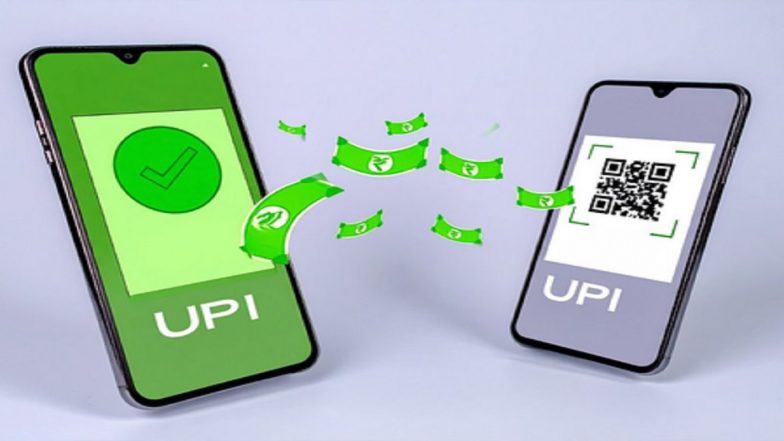
The NPCI has directed banks and payment apps to stop all UPI P2P 'collect requests' from October 1, 2025, to curb fraud and improve transaction security. Previously capped at INR 2,000, the feature was exploited by scammers. Users will make payments via QR codes or contacts. The development targets increasing fraud linked to misleading requests and phishing.

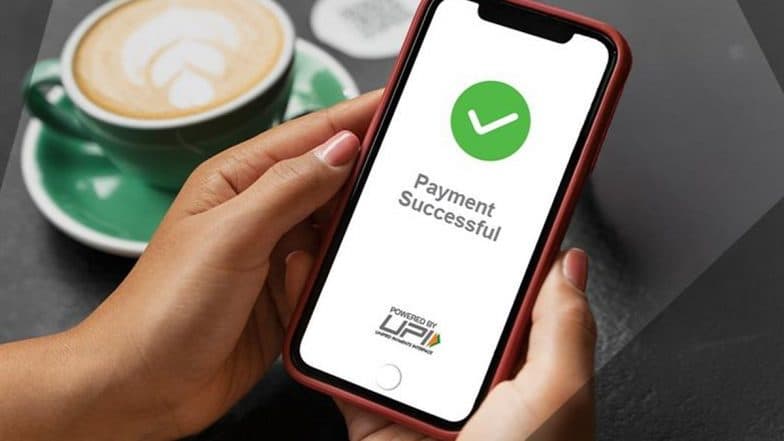
New Delhi, August 14: The National Payments Corporation of India (NPCI) has directed banks and payment apps to stop all peer-to-peer "collect requests." Starting from October 1, 2025, a widely UPI feature will no longer be available. The decision comes as authorities aim to improve transaction security and curb fraud.
Many users have fallen victim to fake payment requests, where scammers trick people into sending money unknowingly. The decision is expected to change how people handle everyday UPI transactions. Previously, NPCI had tried to reduce scams by capping transaction values at INR 2,000. While this helped somewhat, fraudsters continued to exploit the system. Payment apps like PhonePe, Google Pay, and Paytm will implement these changes to safeguard its users. Daily UPI Transactions Surge: NPCI Says Unified Payments Interface-Based Everyday Transactions Cross 700 Million Mark for 1st Time on August 2, Doubling Growth.
The NPCI circular read, "By 1st October 2025 UPI P2P Collect shall not be allowed to be processed in UPI. All member banks, Payment Service Providers (PSPs) and UPI Apps are hereby directed to implement the necessary changes in their systems and operational processes to ensure that no P2P Collect transaction is initiated, routed, or processed on UPI beyond 1st October 2025." To make payments in the future, UPI users will need to scan a QR code or select a contact to make payments, enter the desired amount, and approve transactions with their UPI PIN.
What Is UPI Pull Transaction or Collect Request Feature?
A UPI pull transaction, which is also known as collect request feature, occurs when the recipient initiates the payment rather than the sender. After the request is sent, the sender completes the transaction by entering their UPI PIN to approve the payment. ICICI Bank Minimum Balance New Rule: Bank Removes INR 50,000 Minimum Balance Requirement After Backlash, Check New MAB Amounts.
Why Is NPCI Shutting Down P2P Collect Request Feature on UPI?
The payments authority reportedly stated that the move is intended to tackle the increasing risk of UPI-related fraud. Many of these scams are connected to the “collect” method, where users unknowingly approve unauthorised payment requests, leading to financial losses. Fraudsters often take advantage of this feature by sending misleading requests. UPI fraud also includes fake QR code transactions, phishing attempts through messaging and social media platforms, and scammers impersonating bank officials or customer support staff.
(The above story first appeared on LatestLY on Aug 14, 2025 05:32 PM IST. For more news and updates on politics, world, sports, entertainment and lifestyle, log on to our website latestly.com).