Water, Mold, and Fire Damage Cause Severe Health Issues and Heavy Financial Losses – Why Homeowners Need to Rethink Restoration
Besides, the hundreds of gallons of water used to turn off the fire inadvertently cause water damage, which leads to all the structural problems we've mentioned above. This is why, for best results, a restoration company should be present on the premises as soon as possible to minimize the extent of the damage.

For the vast majority of homeowners, accidents are a normal, albeit unpleasant part of owning a house. Things such as water damage, mold, or fire damage, can of course, be prevented by following the best safety practices and investing in maintenance, but they're bound to happen sooner or later. Natural disasters, structural flaws in the building's construction, old age, and many other factors eventually lead to damage, and the way we deal with them matters more than we think.
When they're not fixed properly, these sources of damage can spread and cause serious issues, both for the families' finances and their health. While short-term solutions may seem like the cheapest and simplest ways to get rid of the problem, the reality is that most homes require professional restoration after being affected by water, mold, and fire damage.
Water damage causes exorbitant water bills.
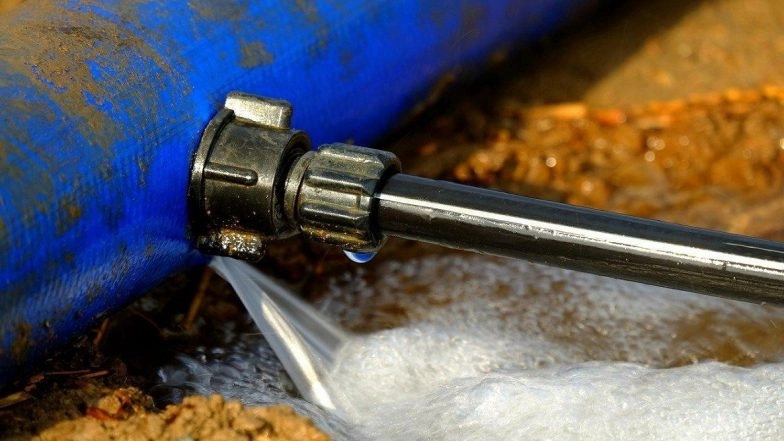
Water leaks are one of the most common household issues in the US. So common, in fact, that the average household leak causes nearly 10,000 gallons of wasted water every year. Besides, in 10% of homes, the water leaks waste up to 90 gallons of water each day! In total, we lose an incredible one trillion gallons of water – which is enough to fill 24 billion bathtubs.
Apart from wasting one of our most precious natural resources, water damage is also extremely expensive, although homeowners may not always realize it. It is estimated that even a tiny 2.23 inches crack in a pipe can lead to a 250-gallon leak, and all these losses add up on the water bill. In many cases, homeowners stop the leak, and the carpet and the floors dry up after 48 hours. However, the damage may persist inside the walls, slowly damaging the home's structural integrity and causing abnormally high water bills. If lately your bills have been getting higher for no apparent reason, leaks are probably the cause, and this should be addressed as quickly as possible.
When it comes to the usual suspects, experts point out that worn toilet flappers, dripping faucets, washing machines, and malfunctioning heaters are usually to blame for most leaks. The biggest mistake that homeowners make after a leak is to assume that the danger is gone once the source is stopped. However, that's just the first step. To make sure nothing else was affected, an expert should inspect the home using moisture detection meters and restore it if necessary. Otherwise, you may be dealing with more severe issues down the line.
Mold – the silent killer that most homeowners underestimate
Most of us have seen mold inside the house at one point and probably chose to ignore it. That's one of the biggest mistakes because mold is much more dangerous than it looks. Apart from being unaesthetic, mold causes indoor pollution, which poses a major health risk. Children and people with respiratory conditions such as asthma are the most prone to experiencing the effects of mold exposure first because they're more sensitive, but that doesn't mean that everyone else is immune. According to the World Health Organization, long-term exposure to mold weakens the respiratory system, increasing the risk of developing asthma by 40%. Besides, indoor air quality has been linked with headaches, difficulty focusing, and irritability.
What makes mold so dangerous is that it can grow in hidden places, even after the source of water damage has been fixed. For example, even if the areas affected by water damage have completely dried up in two days, mold can still grow inside the walls. In time, this mold affects not only your health but also the integrity of your home. If the problem goes unchecked for years, the walls will become weaker and weaker, ultimately reducing your home's resale value.
Conducting an inspection after a leak or burst pipe is the safest way to ensure that your home did not sustain heavy water damage and that mold didn't start growing. Although many homeowners tend to use the DIY approach here, detecting mold can be tricky. Companies like Water Mold Fire Restoration use special equipment to take air samples and surface samples and find out if a problem exists and how far it has spread. More importantly, they can find the source of the issue. With mold, if you don't eliminate the source, it will keep coming back. Many times with DIY solutions, homeowners waste hours removing the mold in one place, only to see it coming back in a few weeks. Apart from being dangerous, this method is also risky, because mold molecules are very small and they can penetrate handmade masks and get into the lungs.
Structural fires are more common than we think.
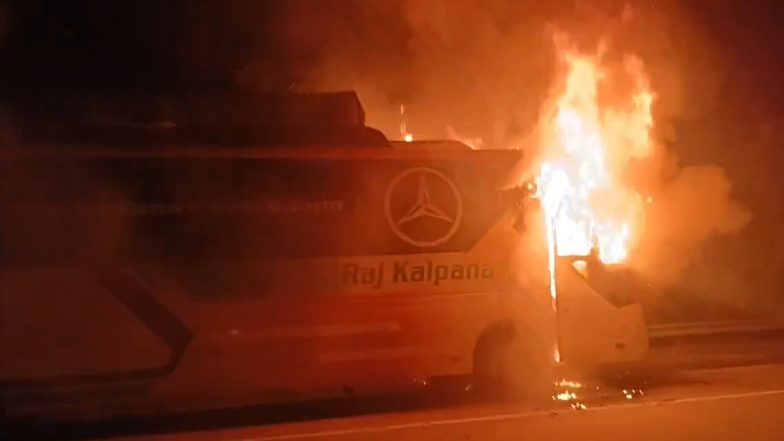
Compared to home floods and mold infestations, home fires may seem more uncommon. However, according to the National Fire Protection Association, a structural fire occurs every 65 seconds, and, in total, home fires cause over $25 billion in property damages. Most homeowners understand that fires are dangerous and call emergency services right away, but what they don't know is that the danger doesn't pass once the smoke has been cleared out. That eliminates the life-threatening danger, of course, but smoke and soot stay in the air, continuing to damage the property. Some combusted materials have carcinogenic by-products, and even short-term exposure to them can have severe health effects. Of course, extensive fires are the most dangerous, but even smaller, seemingly harmless fires can become huge problems if they get into the insulation or appliances.
Besides, the hundreds of gallons of water used to turn off the fire inadvertently cause water damage, which leads to all the structural problems we've mentioned above. This is why, for best results, a restoration company should be present on the premises as soon as possible to minimize the extent of the damage.