When Is Independence Day 2025? Is It the 78th or 79th I-Day Celebration? Swatantrata Diwas Date, History, Significance & Other Important Details Explained
India’s Independence Day marks the end of over 200 years of British colonial rule and the birth of the world’s largest democracy in 1947. Ahead of Independence Day 2025 on August 15, let us understand the date's historical significance and other important details to celebrate Swatantrata Diwas.

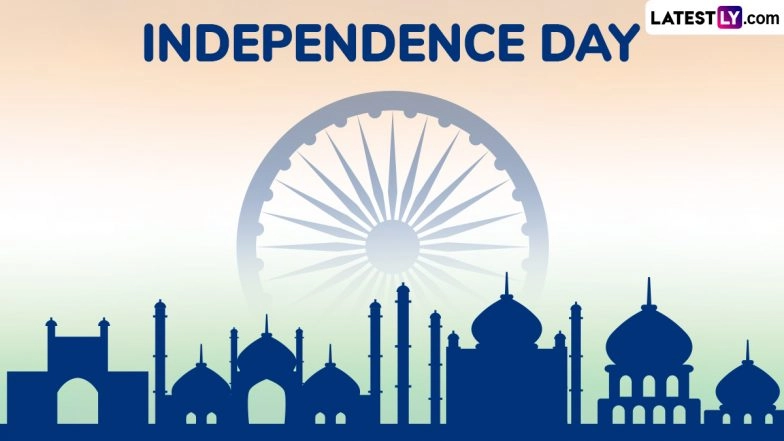
India is gearing up to celebrate Independence Day 2025 on August 15. Also known as Swatantrata Diwas, the 15th August celebration marks the day the country gained freedom from British colonial rule on this date in 1947. It is a national holiday celebrated with patriotic fervour across the nation. But what makes it even more memorable is the history of the freedom struggle and curiosity among the people about whether it is a 78th or 79th I-Day celebration. India’s Independence Day marks the end of over 200 years of British colonial rule and the birth of the world’s largest democracy in 1947. Ahead of Independence Day 2025 on August 15, let us understand the date's historical significance and other important details to celebrate Swatantrata Diwas.
When Is Independence Day 2025?
India’s Independence Day 2025 is on August 15. The day is a tribute to the sacrifices made by millions for the nation’s freedom.
Is It 78th or 79th I-Day Celebration?
India celebrates its 79th Independence Day on August 15, 2025. It must be noted that India became independent on August 15, 1947. So, in 2025, it marks 78 full years since independence. However, the first Independence Day was celebrated on 15th August 1947, the same year the nation gained independence. Going by that calculation, India will celebrate 79th Independence Day on August 15, 2025. On the day, the nation celebrates 79th Independence Day to honour 78 years of independence.
Swatantrata Diwas History and Significance
The struggle for Indian independence began in the 19th century, gaining momentum through movements led by visionaries like Mahatma Gandhi, Jawaharlal Nehru, Subhas Chandra Bose, and countless other freedom fighters. British colonialism began in India in the 18th century under the East India Company and was formally taken over by the British Crown in 1858 after the Revolt of 1857, marking the beginning of the British Raj, with the Crown getting direct control over India. Over the years, various leaders and movements challenged British authority.
- 1857: The First War of Independence (Sepoy Mutiny)
- 1885: Formation of the Indian National Congress
- 1919 - 1942: Mass movements like the Non-Cooperation, Civil Disobedience, and Quit India Movement
- 1947: After years of resistance, sacrifices, and negotiations, the Indian Independence Act was passed in the British Parliament, granting India independence on 15 August 1947.
Lord Mountbatten, the last British Viceroy of India, chose Independence Day date as it coincided with the second anniversary of Japan’s surrender in World War II.
Swatantrata Diwas is a tribute to the sacrifices made by freedom fighters for the nation's freedom. The day reminds citizens of the value of liberty and democratic ideals. The Prime Minister hoists the national flag at the Red Fort in Delhi, followed by a nationally broadcast address to the nation. Across India, people celebrate with parades, cultural programs, and flag-hoisting ceremonies in schools, offices, and public spaces.
India’s Independence Day, also known as Swatantrata Diwas, is more than a national holiday. It is a symbol of resilience, unity, and hope. As India marches forward on the global stage, the spirit of 15th August continues to inspire generations to protect freedom and work towards an inclusive and progressive nation.
(The above story first appeared on LatestLY on Jul 22, 2025 09:53 AM IST. For more news and updates on politics, world, sports, entertainment and lifestyle, log on to our website latestly.com).