Alina Amir New Viral Video Exposes the Dark Side of AI in 2026
Why is the Alina Amir viral video trending? We analyze the rise of AI-generated deepfake leaks in 2026 targeting influencers like Fatima Jatoi and Payal Gaming. Discover the truth behind the 'link bait' scams and how to stay safe.

- Read in
- हिंदी
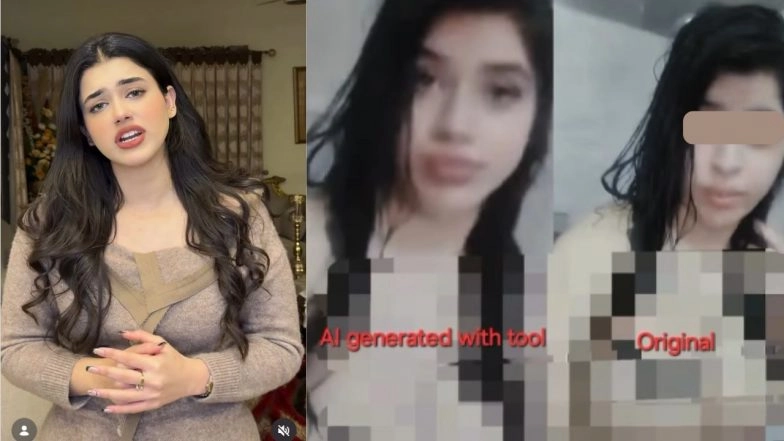
In January 2026, the internet was flooded with searches for a new "4 Minutes 47 Seconds leaked video" of Pakistani influencer Alina Amir. Days later, Alina herself appeared on Instagram, not to apologise, but to hold up a side-by-side comparison proving the video was an AI Deepfake, a digital fabrication created by grafting her face onto another woman’s body. Alina Amir Exposes Viral 'Leaked Video Link' as AI Deepfake.
Alina is not alone and new. She joins a rapidly growing list of victims, including Fatima Jatoi (Pakistan), Payal Gaming (India), and Arohi Mim (Bangladesh), who have been targeted by identical campaigns in just the first few weeks of the year. Viral Leaked Videos 2026: Alina Amir, Fatima Jatoi, Payal Gaming Hit Back; Arohi Mim & Marry Umair Silent.
Alina Amir Opens Up on Deepfake Viral Video Leak
View this post on Instagram
Why is this happening now? The answer lies in a convergence of cheap technology, aggressive monetisation strategies, and a new "Shadow Economy" of clickbait.
1. The Dark Side of Technology: 'Deepfake-as-a-Service' (DaaS)
The primary driver for the surge in leaks is accessibility. In previous years, creating a convincing deepfake required high-end coding skills and powerful GPUs. In 2026, it is a low-cost service.
-
Accessibility: Cybersecurity firms report a massive explosion in "Deepfake-as-a-Service" (DaaS) platforms. These are user-friendly websites or Telegram bots where anyone can upload a single photo of a target (like Alina Amir or a classmate) and pay a few dollars to have it "undressed" or swapped into an adult video.
-
Speed & Quality: New Generative Adversarial Networks (GANs) and real-time synthesis tools have made these videos harder to detect. They no longer flicker or blur as noticeably as they did in 2023. This lowered barrier to entry means every internet troll is now a potential producer of "leaked" content.
2. The Economics: The 'Link Bait' & Betting App Nexus
Perhaps the most surprising revelation is that many of these "leaks" are not created for revenge or lust; they are created for marketing.
-
The Betting App Strategy: A major pattern observed in South Asia involves using deepfakes to drive traffic to illegal betting apps (e.g., "1Win" or "Aviator"). Scammers create a viral frenzy around a "leaked video" of a famous personality (like Virat Kohli or Alina Amir).
-
The Mechanism:
-
The Hook: Bots flood X (Twitter) and Telegram with posts: "Alina Amir Full Viral Video Link."
-
The Switch: When users click the link, they are not taken to a video but are redirected to download a betting app or a malware-infected "video player".
-
The Profit: The scammers earn a commission (affiliate revenue) for every user who downloads the app or signs up. The "leak" is simply a free advertisement that exploits the influencer's fame.
-
3. The Psychology: Exploiting the 'Trust Gap'
Scammers are weaponising the "seeing is believing" instinct.
-
SEO Poisoning: Attackers are using sophisticated "SEO Poisoning" tactics, uploading fake PDF files containing these links to reputable .edu (university) or .gov servers. When a user sees a link on a trusted university website, they are more likely to click, assuming it is safe.
-
Context Hijacking: In the case of Senorita, scammers took a real video of her crying (about a personal issue) and recaptioned it as "Reaction to Leaked Video." This creates a "curiosity gap"—users see the tears and assume the scandal must be real.
4. Why South Asia? (The Soft Target)
India, Pakistan, and Bangladesh have become the epicentre of this trend for specific reasons:
-
High Digital Consumption: These nations have some of the highest mobile data usage rates in the world, providing a massive audience for viral content.
-
Cultural Stigma: Scammers know that in conservative South Asian societies, a "leaked video" (even a fake one) is a reputation-destroying nuclear weapon. They bank on the victim staying silent out of shame (the "Arohi Mim Strategy"), which allows the scam to run longer without being debunked.
-
Gendered Harm: The majority of targets are women. Reports indicate that "nudify" apps and sexualized deepfakes are increasingly used to inflict gendered harm, stripping women of their agency and silencing them in the digital space. From '19-Minute MMS Video' Mystery to Smriti Jain Jaisalmer Case: The Viral Leaks and Digital Voyeurism.
5. The Response: A Legal & Social Awakening
The Alina Amir case marks a turning point because she broke the cycle of silence.
-
Legal Action: Influencers are now using laws like India's IT Act and Pakistan's Prevention of Electronic Crimes Act (PECA) to file FIRs. Payal Gaming’s successful filing and the subsequent detention of suspects prove that these are traceable crimes. What Arohi Mim and Fatima Jatoi Must Learn from Payal Gaming: Fighting Viral Video Deepfakes Links Legally.
-
Platform Accountability: YouTube and other platforms are rolling out new "likeness detection" tools in 2026 to automatically flag content that simulates a creator's face or voice, aiming to stop the spread before it goes viral.
Alina Amir Viral Video is a Warning!
The rise of the "Alina Amir viral video" phenomenon is a warning that the era of "Deepfake Realism" has arrived. It is fueled by a shadow economy that views a woman's reputation as collateral damage for an affiliate marketing click. 7:11, 4:47, 3:24, or 19 Minutes 34 Seconds Viral Video Traps: Why Governments Must Act Now.
As technology makes reality easier to fake, the only defence left is scepticism. In 2026, if you see a "leaked link," the most likely reality is that there is no video, only a virus waiting to be downloaded.
DISCLAIMER: This article is strictly for informational and educational purposes to raise awareness about the said topic. LatestLY DO NOT host, distribute, or provide links to sexually explicit content, leaked videos, or pirated material. Any search terms or keywords mentioned are solely for the purpose of explaining the viral trend and its associated dangers. We strongly condemn the circulation of non-consensual intimate imagery (NCII) and advise all readers to refrain from searching for or sharing such content, as doing so may lead to severe legal consequences.
(The above story first appeared on LatestLY on Jan 28, 2026 12:56 AM IST. For more news and updates on politics, world, sports, entertainment and lifestyle, log on to our website latestly.com).