‘Gandhi Talks’ Releases on ZEE5: List of Iconic Silent Films of India
Following its theatrical run, the silent film Gandhi Talks starring Vijay Sethupathi is now streaming on OTT The movie joins a rare lineage of Indian silent films, from Dadasaheb Phalke’s early masterpieces to the 1987 cult classic 'Pushpaka Vimana'. Check out other popular silent films of India!

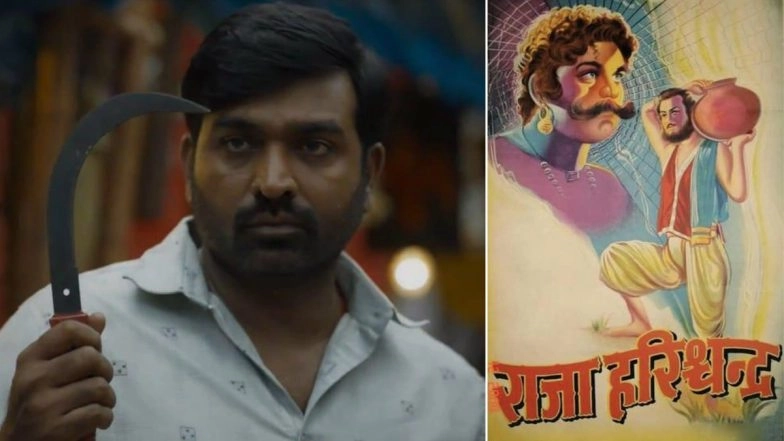
Following its theatrical run earlier this year, the highly anticipated silent film Gandhi Talks premiered on the streaming platform ZEE5 today, March 6, 2026. Directed by Kishor Pandurang Belekar, the film features an ensemble cast including Vijay Sethupathi, Arvind Swamy, Aditi Rao Hydari, and Siddharth Jadhav. Produced by Zee Studios, the movie is a modern experiment in silent storytelling, relying entirely on visual performances and a background score composed by Academy Award-winner AR Rahman. ‘Gandhi Talks’ OTT Release Date: When and Where To Watch Vijay Sethupathi and Arvind Swamy’s Silent Film Online.
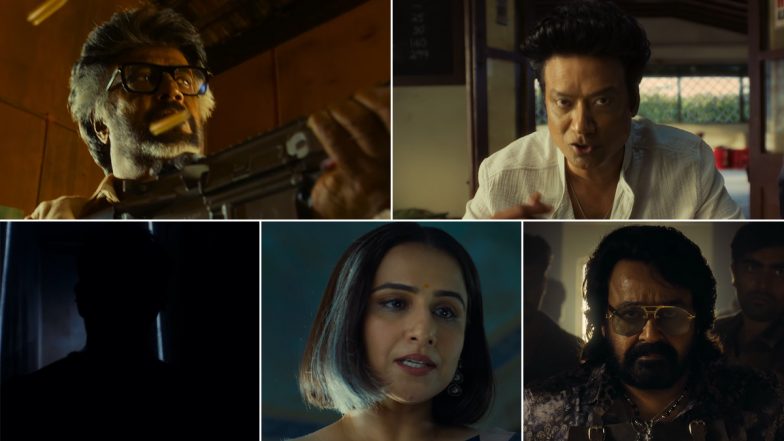
The film follows the intertwined lives of four individuals in Mumbai as they navigate greed, survival, and moral dilemmas, all without a single word of spoken dialogue.
Watch the Trailer of ‘Gandhi Talks’:
While modern Indian cinema is almost synonymous with vibrant soundtracks and rapid-fire dialogue, Gandhi Talks joins a small but prestigious lineage of films that have dared to strip away sound. Below, we look back at some of the most significant silent films in Indian history, ranging from political satires to mythological technical marvels.
‘Pushpaka Vimana’ (1987)
Before the release of Gandhi Talks, the most prominent modern reference for silent cinema in India was Pushpaka Vimana (released as Pushpak in Hindi and Pesum Padam in Tamil).
Directed by Singeetam Srinivasa Rao and starring Kamal Haasan, this 1987 black comedy tells the story of an unemployed youth who kidnaps a wealthy man to steal his identity. Even decades later, it remains a gold standard for the genre, praised for its ability to balance slapstick humour with poignant social commentary without the need for intertitles or speech.
‘Reflections’ (2005)
In 2005, filmmaker Bejoy Nambiar directed a silent short film titled Reflections, starring Mohanlal. Though not a full-length feature, it gained significant attention for its atmospheric storytelling. The film focused on the internal journey of its protagonist and proved that major stars were willing to strip away their iconic voices to focus on pure acting craft.
‘Raja Harishchandra’ (1913)
To understand the evolution of the genre, historians look back to Raja Harishchandra, India’s first indigenous feature film. Released in 1913 by Dadasaheb Phalke, the film was inherently silent due to the technical limitations of the era. It established the groundwork for Indian cinema, using intertitles in Marathi and Hindi to convey the story of the righteous king. For nearly two decades after its release, silent films remained the primary medium of entertainment in India until the arrival of the "talkie" Alam Ara in 1931.
‘Bhakta Vidur’ (1921)
In the early history of Indian silent cinema, Bhakta Vidur stands out for its political bravery. Released in 1921 and directed by Kanjibhai Rathod, the film used the mythological figure of Vidura from the Mahabharata as a thinly veiled allegory for Mahatma Gandhi.
The protagonist wore a Gandhi cap and khadi, which led the British colonial government to ban the film in several provinces. It holds the historical distinction of being the first film banned in India, proving that silence could be a powerful tool for political dissent.
‘Kaliya Mardan’ (1919)
Directed by the "Father of Indian Cinema," Dadasaheb Phalke, the 1919 film Kaliya Mardan is celebrated for its technical innovation. The film stars Phalke’s seven-year-old daughter, Mandakini Phalke, as a young Lord Krishna.
The story focuses on the childhood exploits of Krishna, culminating in the famous battle where he subdues the serpent-demon Kaliya. Phalke, a former magician, used sophisticated photographic illusions and double-exposure techniques that were considered revolutionary at the time, helping the film become one of the biggest commercial successes of the silent era.
‘Mercury’ (2018)
In recent years, the silent format has also been explored through the lens of horror. The 2018 film Mercury, directed by Karthik Subbaraj and starring Prabhu Deva, utilised the absence of dialogue to heighten the suspense and terror of its plot. Set in a post-apocalyptic or isolated environment, it demonstrated that silence could be a powerful tool for building tension in the thriller genre. ‘Pulse’: Prabhu Deva Releases First Look Poster of Director Nawin Ghanesh’s Survival Thriller ‘Pulse’, Featuring Master Mahendran in Lead.
The release of Gandhi Talks on ZEE5 marks a significant moment for Indian cinema, bridging the gap between its silent foundations and modern storytelling. By revisiting a format that relies purely on visual expression and music, the film honours a legacy established by pioneers
(The above story first appeared on LatestLY on Mar 06, 2026 03:28 PM IST. For more news and updates on politics, world, sports, entertainment and lifestyle, log on to our website latestly.com).