What Is an E-Passport? Know What ‘E’ Stand for in E-Passport and Whether Upgrade Is Mandatory or Voluntary
An e-passport is a hybrid booklet featuring an embedded RFID chip that stores your biometric and personal data for enhanced security and faster immigration. While the Passport India website notes that all new applications now receive e-passports by default, it is not mandatory to replace your current valid passport until it expires. Scroll belwo to know more.

Mumbai, February 10: As part of the government's Passport Seva 2.0 initiative, India has significantly scaled up the issuance of e-passports, a next-generation travel document designed to enhance security and simplify international immigration. While the rollout has reached major Passport Seva Kendras (PSKs) across the country as of February 10, many citizens remain unclear about what the "e" stands for and whether they are required to upgrade immediately.
Scroll below to know what an e-passport is and whether it is mandatory for existing valid passport holders to replace their passports with an e-passport. How To Apply for Passport Online in 2026: Step-by-Step Guide To Apply for Indian Passport at passportindia.gov.in.
What Is an e-Passport?
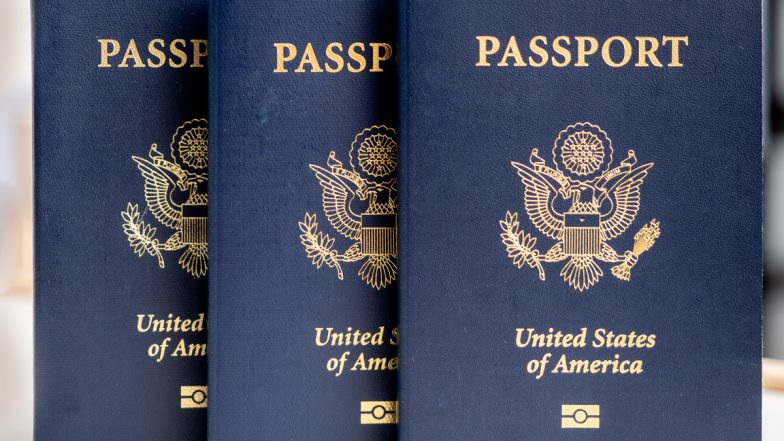
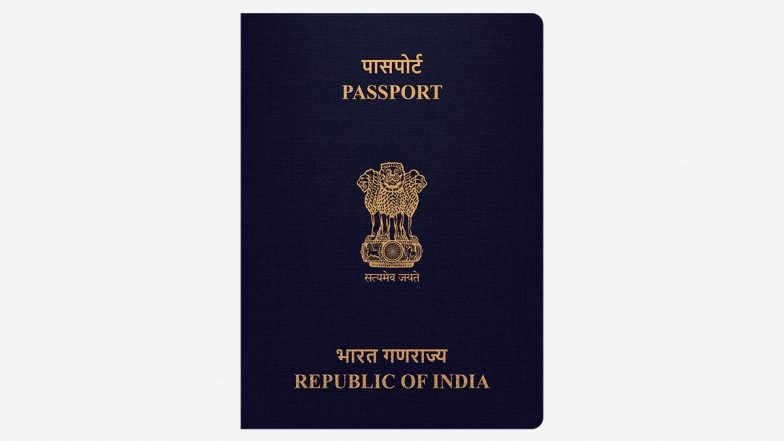
An e-passport is a hybrid document that maintains the traditional paper booklet format but includes a sophisticated embedded electronic chip. This small Radio Frequency Identification (RFID) chip, usually tucked into the back cover or data page, stores the holder's personal details and biometric data, such as fingerprints and facial recognition patterns. "The ePassport will be visually identifiable as small additional gold colour symbol printed below the front cover of the passport," the Passport Seva said on its official website at passportindia.gov.in.
According to the Ministry of External Affairs (MEA), the primary purpose of the e-passport is to prevent forgery and identity theft, as the digital data is encrypted and harder to tamper with than printed text.
Is it Mandatory to Apply for an e-Passport?
According to the official Passport India guidelines, existing passport holders don't need to replace their current valid booklets with an e-passport.
The transition is following a "natural replacement" cycle:
-
Existing Passports: All traditional machine-readable passports remain fully valid until their listed expiry date.
-
Automatic Issuance: If you apply for a fresh passport or a re-issue (due to expiry, exhaustion of pages, or damage) at a technically enabled PSK, you will automatically receive an e-passport.
-
No Separate Application: There is currently no separate form or additional fee specifically for an e-passport; it has become the standard default for all new issuances.
What Are the Key Benefits for Travellers
The shift to e-passports aligns India with international standards set by the International Civil Aviation Organisation (ICAO). For travellers, the most immediate benefits include:
Faster Immigration: e-passports are compatible with automated "e-gates" at international airports, allowing travellers to bypass long manual queues.
Global Acceptance: Many countries now prioritise chip-based passports, ensuring a smoother entry process worldwide.
Enhanced Data Integrity: Since the chip is digitally signed using Public Key Infrastructure (PKI), any attempt to alter the physical photo or data will be immediately flagged by airport scanners. What Is an e-Passport? Who Can Apply, How to Apply, Fees, Benefits and Key Security Upgrades Explained.
Application Process for e-Passport in 2026
The process remains largely unchanged from the traditional method. Applicants must register on the Passport Seva Online Portal, fill out the application, pay the fee (starting at INR 1,500 for ordinary fresh applications), and book an appointment. Under the new Passport Seva 2.0 framework, the system is now more integrated, allowing for faster document uploads and status tracking via the official mobile app. Police verification remains a mandatory step for most fresh and re-issue cases, ensuring that the enhanced security of the document is matched by a thorough background check.
(The above story first appeared on LatestLY on Feb 10, 2026 12:47 PM IST. For more news and updates on politics, world, sports, entertainment and lifestyle, log on to our website latestly.com).