Losar 2026: Why the Tibetan Community Is Celebrating the Year of the Fire Horse
Losar 1447 AH officially began on February 18, 2026, marking the Tibetan Year of the Fire Horse. Rooted in ancient Bon harvest rituals and Buddhist traditions, the 15-day festival celebrates renewal and the victory of good over evil. Devotees observe the New Year with prayers, family feasts, and traditional Guthuk soup to usher in prosperity.

The Tibetan community across the globe began celebrations for Losar, the Tibetan New Year, on February 18, 2026. Marking the transition into the Year of the Fire Horse (2153), the festival is a 15-day observance that serves as the most significant event in the Tibetan lunisolar calendar. In hubs like Dharamshala and Ladakh, the air is filled with the scent of burning incense and the sound of Buddhist chants as devotees seek to purify the past and welcome a prosperous future.
The word "Losar" is derived from the Tibetan words Lo (year) and Sar (new). Unlike the Gregorian New Year, Losar is calculated based on the Tibetan lunar cycle, typically falling in February or March. Chinese New Year 2026 Date: When Is Lunar New Year? Key Dates and Year of the Fire Horse Meaning.
Tibetan New Year Losar Celebrated With Special Prayers in Shimla
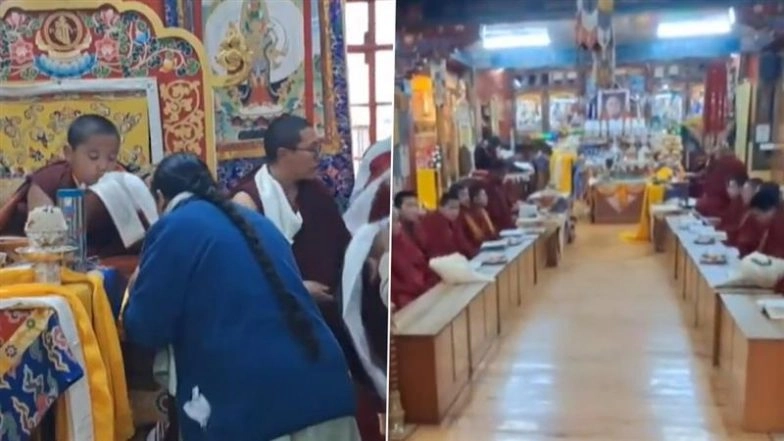
VIDEO | Losar, the Tibetan New Year, celebrated with special prayers in Shimla.
This is the 'Year of the Fire Horse' as per the Tibetan calendar. Special prayers at Thupten Dorje Drak Monastery in Panthaghati in Shimla marked the occasion on Wednesday morning (Feb 18).
Losar is… pic.twitter.com/LhgjbYSPhB
— Press Trust of India (@PTI_News) February 19, 2026
Losar Festival 2026 Date and Calendar
For 2026, the main festivities are concentrated between February 18 and February 20. While the entire festival spans 15 days, the first three days are the most crucial:
- Day 1 (Lama Losar): Dedicated to the guru or spiritual leader.
- Day 2 (Gyalpo Losar): Historically known as "King’s Losar," focusing on community leaders and national identity.
- Day 3 (Choe-kyong Losar): Centered on making offerings to the protector deities.
Losar History and Origins
The roots of Losar predate the arrival of Buddhism in Tibet. It originated from the ancient Bon religion, where people performed winter incense-burning rituals to appease local spirits and deities.
During the reign of Pude Gungyal, the ninth King of Tibet, these agricultural rites merged with harvest celebrations to form a formal New Year festival. When Buddhism was introduced in the 7th century, these indigenous customs were layered with Buddhist philosophy, transforming Losar into a spiritual period of renewal and merit-making.
Cultural and Spiritual Significance of Losar Festival
For the Tibetan diaspora and Himalayan communities in Ladakh, Sikkim, and Himachal Pradesh, Losar is not merely a holiday but a vital reaffirmation of cultural identity.
The festival symbolizes the triumph of wisdom over ignorance and the clearing of negative energy. Spiritually, it is believed that actions performed during this period carry increased weight; therefore, devotees focus on meditation, kindness, and prayer. In McLeod Ganj, the presence of the 14th Dalai Lama during the 2026 celebrations has added profound spiritual weight, with thousands gathering to receive his blessings for global peace. Happy Chinese New Year 2026: Wishes, Messages and Images To Celebrate Year of the Fire Horse.
Losar Celebrations in China's Xizang
Today marks Losar, the Tibetan New Year, according to the Tibetan calendar. Join Xinhua reporter as we take a closer look at how local people got ready for this important festival. #Xizang pic.twitter.com/pZfN74HcF2
— China Xinhua News (@XHNews) February 18, 2026
Traditional Rituals and Delicacies
Preparation for Losar begins weeks in advance as families clean their homes to "sweep away" the misfortunes of the previous year.
- The Gutu Banquet: On the eve of Losar, families eat Guthuk, a soup containing dough balls with "hidden" items like salt, coal, or wool. Each item serves as a lighthearted omen for the person who finds it.
- Metho Procession: In regions like Ladakh, people carry flaming torches through the streets in a ceremony called Metho to drive away evil spirits from the village.
- Kapse and Chang: Traditional snacks include Kapse (deep-fried dough) and Chang (a local barley beer), which are shared among neighbors and guests.
A Regional Celebration
While Losar is centrally a Tibetan New Year, it is celebrated with unique local flavors across the Himalayas:
- Ladakh: Known for the "Metho" fire processions and Ibex deer dances.
- Arunachal Pradesh: Celebrated primarily by the Monpa tribe with vibrant masked dances.
- Bhutan: Referred to as the Bhutanese New Year, focusing heavily on community feasting and traditional sports like archery.
As the Fire Horse year begins, the message remains consistent across all regions: a call for compassion, the preservation of ancient heritage, and a fresh start for all sentient beings.
(The above story first appeared on LatestLY on Feb 19, 2026 04:22 PM IST. For more news and updates on politics, world, sports, entertainment and lifestyle, log on to our website latestly.com).