What Is E85? India’s Draft Rule for 85% Ethanol Fuel Could Change Cars Soon
India is preparing draft rules for E85 fuel, a blend of up to 85% ethanol and 15% petrol. What is E85? It is a high-ethanol flex fuel requiring specially designed vehicles. The move aims to cut oil imports and boost cleaner fuel use, but existing cars cannot use it without modifications and new infrastructure will be needed.

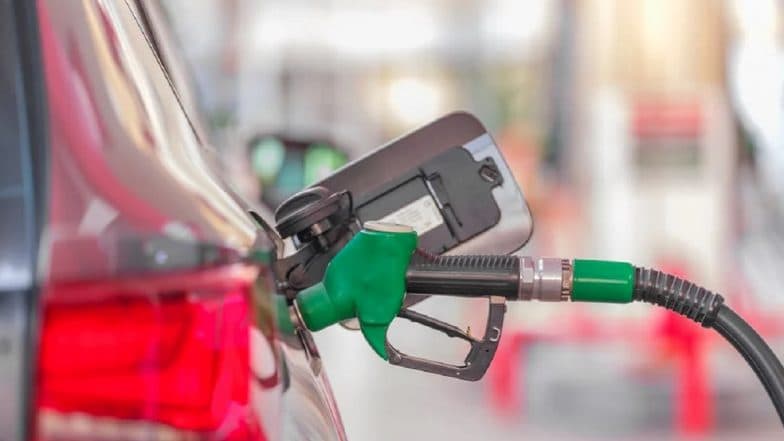
India is preparing to take a major step in its fuel policy with reports that the government will soon issue draft rules for E85, a high-ethanol fuel blend containing up to 85% ethanol and 15% petrol. The move could significantly reshape the country’s transport energy mix if implemented at scale.
The proposed rollout comes after the nationwide adoption of E20 petrol and is being seen as part of a broader effort to reduce dependence on imported crude oil. India currently imports around 90% of its oil needs, making energy security a key policy focus amid ongoing global market volatility. Govt Eyes Big Push for Flex Fuel Vehicles Amid Turmoil in Global Oil Market, MoPNG To Hold Stakeholder Meeting for E85 Roadmap Today.
What Is E85 Fuel?
E85 is a flex-fuel blend made primarily of ethanol, up to 85%, mixed with petrol. Ethanol is typically produced in India from sugarcane, maize, and other grains, making it a renewable fuel source.
Unlike standard petrol or even E20 fuel, E85 is not compatible with regular engines. It requires specially designed flex-fuel vehicles (FFVs) that can handle higher alcohol content without damage to engine parts. Oil Prices Fall Below USD 87 As Iran Reopens Strait of Hormuz Amid Ceasefire.
How E85 Differs From E20
India currently uses E20 petrol, which contains up to 20% ethanol and has been made mandatory nationwide from April 1, 2026. E85 would be introduced as a separate fuel grade rather than replacing E20. While E20 is compatible with most modern petrol vehicles, E85 would only be usable in vehicles designed or modified for high ethanol blends.
Officials say preliminary vehicle testing for E85 has already been carried out, and there is growing alignment between policymakers and industry on the proposal.
Why the Government Is Pushing E85
The policy push is driven by two major factors: global energy uncertainty and domestic ethanol capacity expansion.
With geopolitical tensions affecting oil markets and India importing the majority of its crude requirements, higher ethanol blending is seen as a way to reduce exposure to global price shocks.
Ethanol is also considered cleaner-burning compared to petrol and supports India’s agricultural economy by creating demand for crops used in biofuel production.
Impact on Vehicles and Infrastructure
Experts note that existing petrol vehicles cannot safely use E85 fuel. Using it in non-compatible engines can lead to corrosion, reduced performance, and fuel system damage.
If adopted, the transition would require:
- New flex-fuel vehicle production by automakers
- Upgraded fuel dispensing systems at petrol stations
- Separate storage and distribution infrastructure
- Public awareness to avoid fuel misfuelling
Industry reports suggest that the rollout may take a couple of years even after rules are finalised.
The E85 proposal builds on earlier policy roadmaps, including the government’s long-term ethanol blending strategy and emissions goals. India has already tested higher blends and notified standards for E85-compatible vehicles in previous years.
Officials also point to surplus ethanol availability, which could support not only road transport but also future aviation fuel blending targets under international climate commitments.
(The above story first appeared on LatestLY on Apr 21, 2026 06:37 PM IST. For more news and updates on politics, world, sports, entertainment and lifestyle, log on to our website latestly.com).